Product Description
We are professional Raw Material Manufacturer, with more than 10 years' experience.
Please contact us for more information and detailed quotation
Email: sales12@sgonekbio.com
Phone/WhatsApp/Wechat: +86 13572550462

AI Product Description
*The following content is generated by AI and is for reference only.
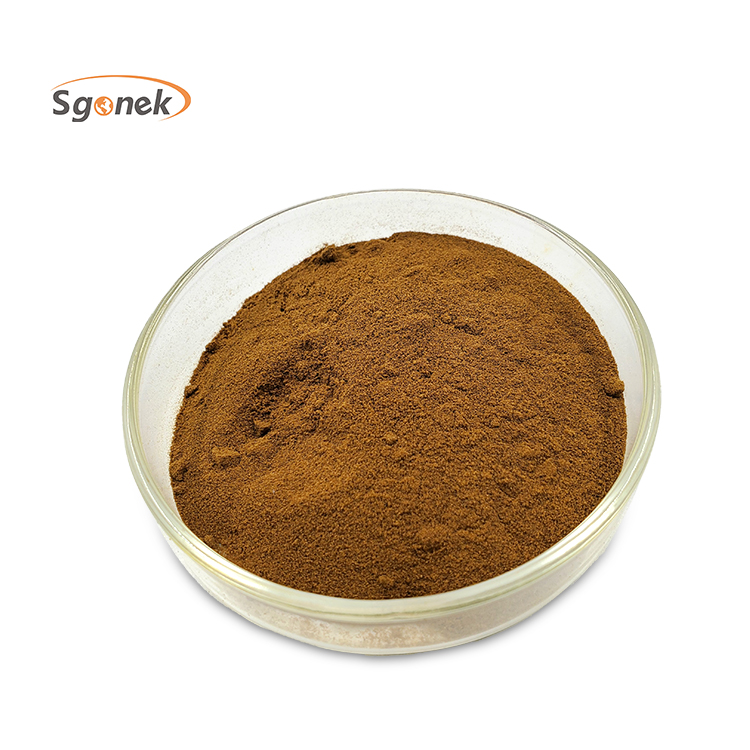
Comfrey Extract, derived from the roots and leaves of the *Symphytum officinale* plant, is a widely utilized botanical ingredient in cosmetics, pharmaceuticals, and traditional herbal medicine. Its primary bioactive components include allantoin, rosmarinic acid, pyrrolizidine alkaloids (PAs), and various mucilaginous polysaccharides. The molecular formula for its most prominent active constituent, allantoin, is C4H6N4O3, while the extract itself is a complex mixture without a single universal molecular formula. The specific CAS number for Comfrey Root Extract is typically cited as 84795-01-9 or 84795-02-0, depending on the extraction method and solvent used, though individual constituents have their own unique identifiers.
Historically, comfrey has earned the nickname "knitbone" due to its renowned ability to accelerate tissue regeneration and wound healing. In modern topical formulations, the extract is prized primarily for its high concentration of allantoin, which promotes cell proliferation and soothes irritated skin. It is frequently incorporated into creams, ointments, lotions, and serums designed for treating minor burns, cuts, bruises, and inflammatory conditions like arthritis or muscle soreness. The anti-inflammatory properties attributed to rosmarinic acid further enhance its efficacy in reducing swelling and redness. Additionally, the mucilage content provides excellent moisturizing benefits, making it suitable for dry and sensitive skin types by forming a protective barrier that retains hydration.
Despite its therapeutic benefits, safety protocols are critical when using Comfrey Extract. Pyrrolizidine alkaloids found naturally in the plant are hepatotoxic and potentially carcinogenic if absorbed systemically. Consequently, regulatory bodies such as the FDA and the European Commission strictly prohibit the use of internal comfrey products and restrict external applications to intact skin only, ensuring PAs do not penetrate deep wounds or be ingested. High-quality commercial extracts often undergo rigorous purification processes to remove these toxic alkaloids, rendering them safe for cosmetic use. Today, Comfrey Extract remains a cornerstone in natural skincare and pain relief solutions, valued for its potent regenerative capabilities when applied responsibly under professional guidance.





 (All Rights Reserved)