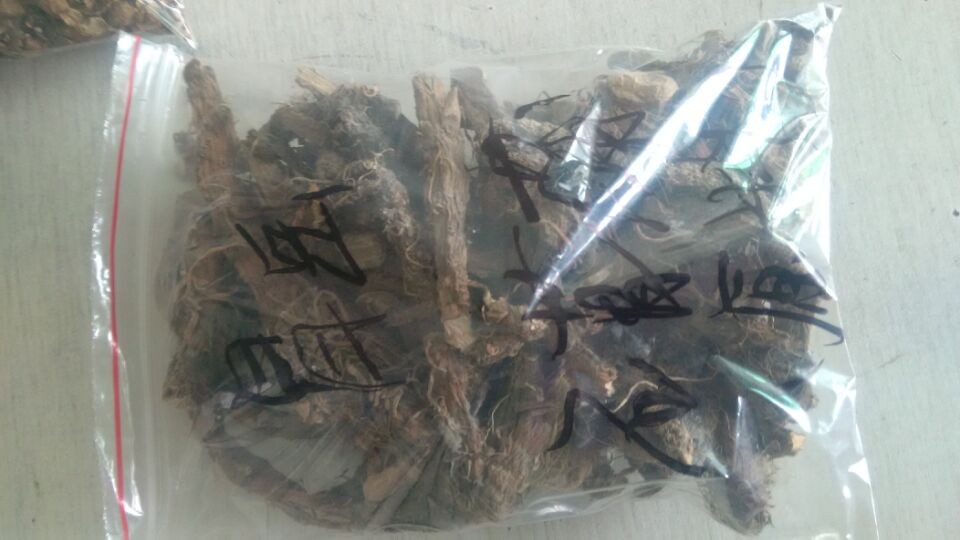
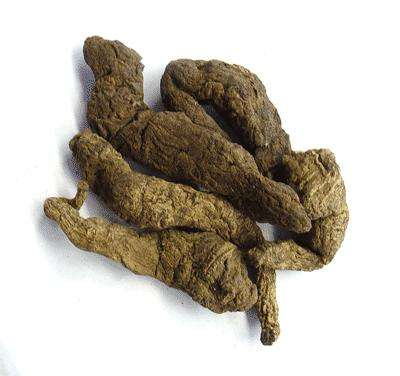
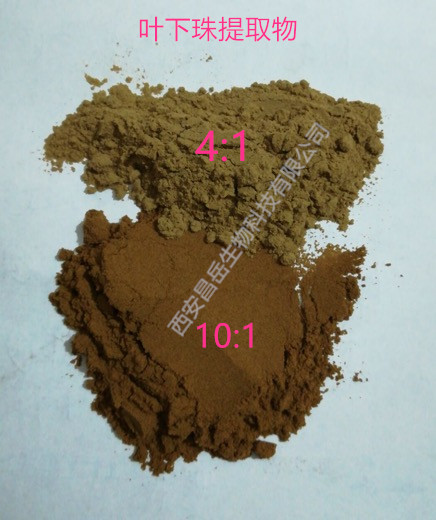
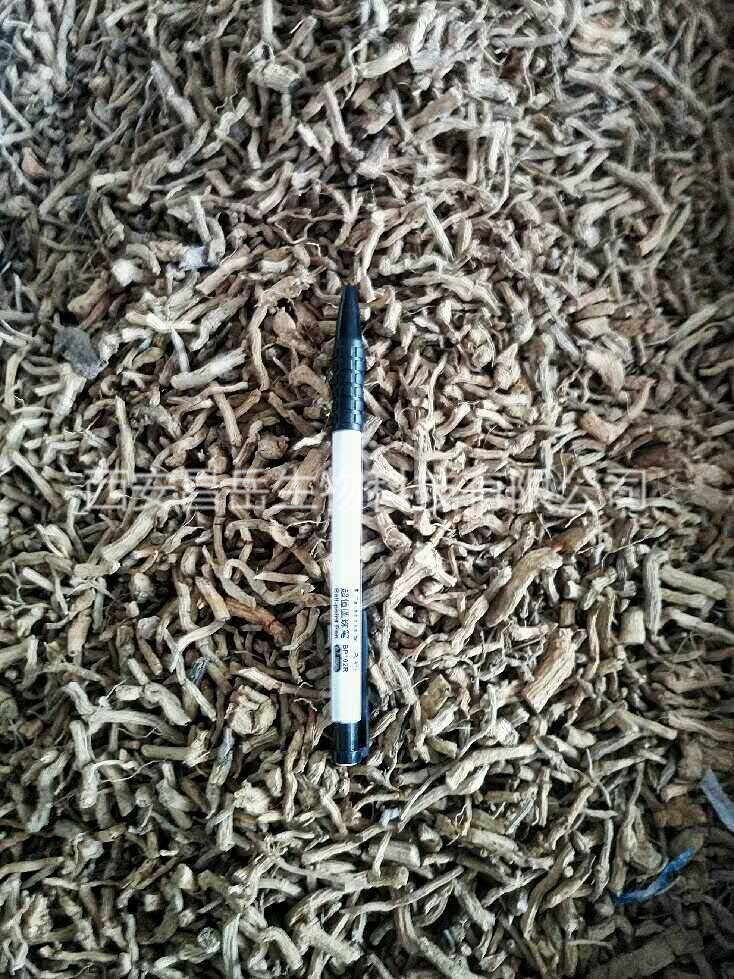
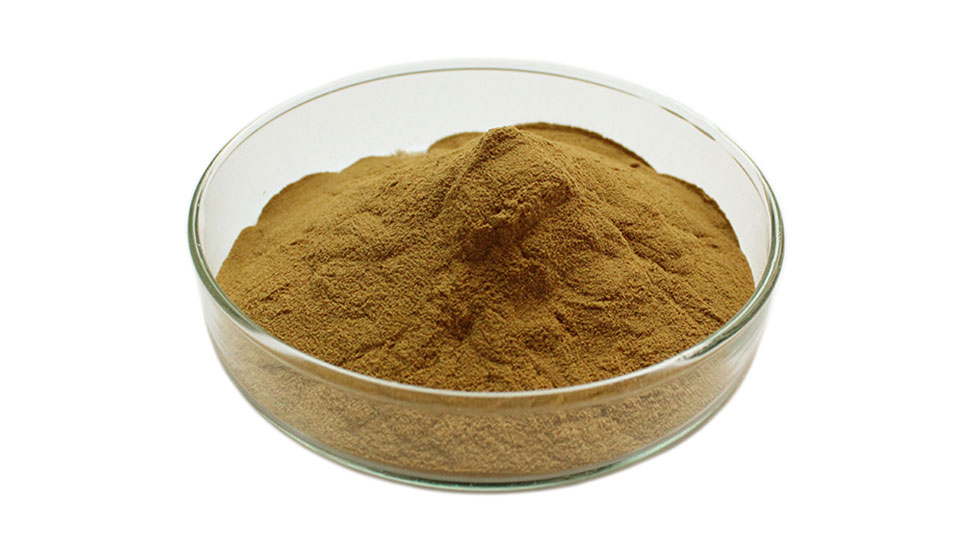
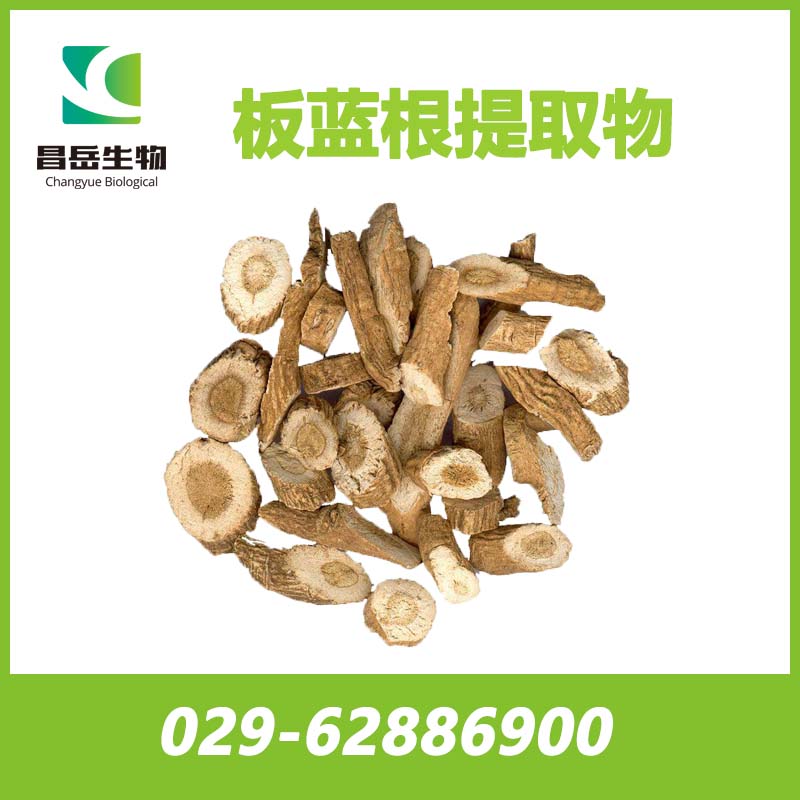
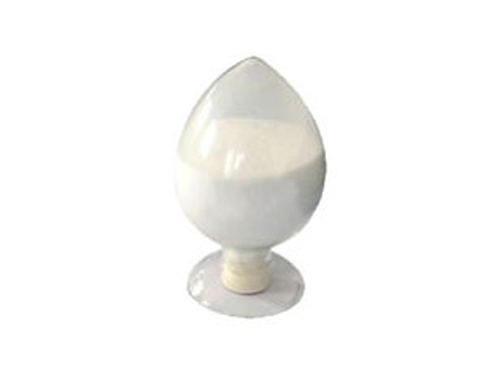
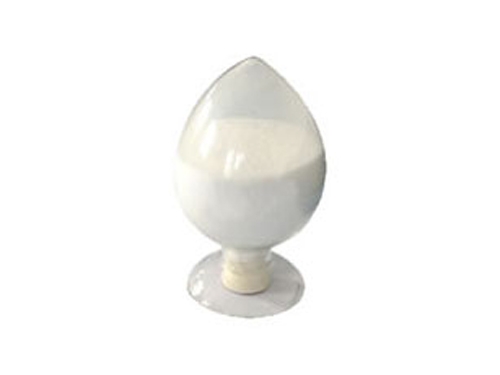
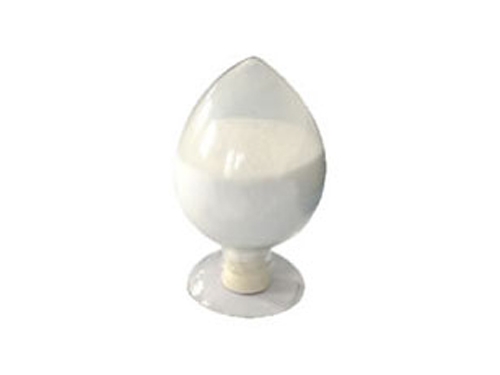
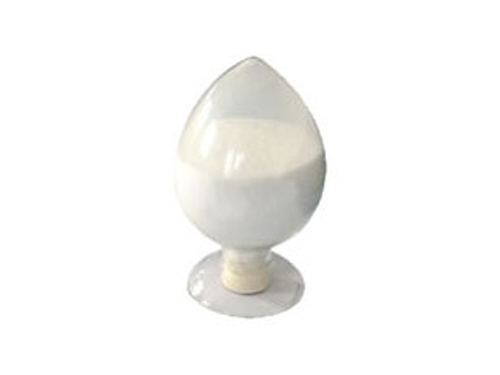
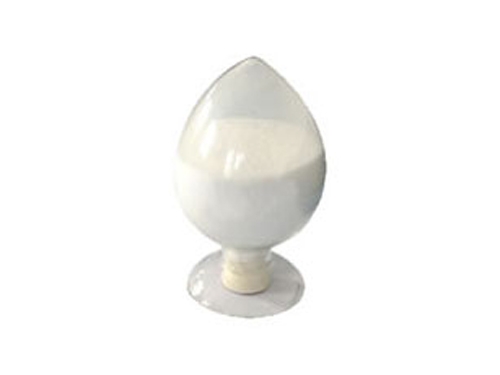
Clematis root extract of ranunculaceae plant Clematis root Clematis chinensis Osbeck, cotton ball of Clematis Clematis hexapetala Pall.. or northeast Clematis Clematis manshurica Rupr. The root and rhizome of dry, with functions of dehumidification and analgesic effect of t2dm, used for attending rheumatic pain, numbness, channels JuLuan certification, inconvenient flexion, bone stuck throat and other symptoms.
*The following content is generated by AI and is for reference only.
Clematis chinensis Extract, derived from the roots of *Clematis chinensis* Osbeck, is a traditional herbal preparation widely utilized in both historical medicine and modern cosmetic formulations. Unlike isolated synthetic compounds, this botanical extract is a complex mixture containing various bioactive constituents, primarily triterpenoid saponins such as clematichinensin A and B, along with flavonoids and phenolic acids. Consequently, it does not possess a single, definitive molecular formula or a unique CAS number assigned to the crude extract itself; rather, its specific chemical profile depends on the extraction solvent and method employed. While individual purified components may have distinct CAS identifiers (e.g., 13826-59-0 for certain saponins), the commercial extract is generally categorized under generic plant extract classifications without a singular registry number.
In the realm of dermatology and skincare, Clematis chinensis Extract has gained significant attention for its potent anti-inflammatory and antioxidant properties. It is frequently incorporated into serums, creams, and lotions designed to soothe irritated skin, reduce redness, and mitigate signs of aging. The extract functions by inhibiting pro-inflammatory cytokines and scavenging free radicals, thereby protecting the skin barrier from environmental stressors like UV radiation and pollution. Furthermore, traditional applications suggest potential antimicrobial benefits, making it suitable for formulations targeting acne-prone or sensitive skin types. Its ability to promote wound healing and tissue regeneration adds value to post-procedure recovery products.
Manufacturers often highlight its natural origin and compatibility with diverse skin types when marketing this ingredient. However, standardization remains a challenge due to the variability in plant sourcing and processing techniques. As a result, high-quality extracts undergo rigorous testing to ensure consistent levels of active markers. Despite the lack of a unified molecular structure, Clematis chinensis Extract represents a valuable bridge between traditional wisdom and contemporary science, offering a gentle yet effective solution for maintaining skin health and vitality in an increasingly eco-conscious market.



 (All Rights Reserved)