Product Description
熔点:270°C(lit.)密度:3,7g/cm3堆积密度:850kg/m3储存条件:2-8°C溶解度:SolubleinDMF.InsolubleinChemicalbookmostcommonsolvents形态:crystalline颜色:yellow水溶解性:<0.1g/100mLat19ºCMerck:14,2317
AI Product Description
*The following content is generated by AI and is for reference only.
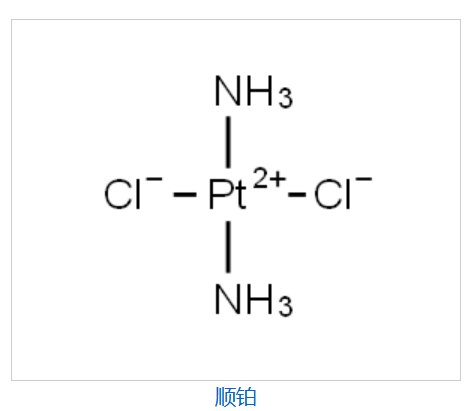
Cisplatin, chemically known as cis-diamminedichloroplatinum(II), is a cornerstone chemotherapy agent widely utilized in the treatment of various solid tumors. Its molecular formula is PtCl2H6N2, reflecting its structure comprising one platinum atom coordinated with two ammonia molecules and two chloride ions in a cis-configuration. The substance is identified by the CAS number 15663-27-1, a unique identifier essential for regulatory compliance and chemical inventory management across global pharmaceutical industries.
Originally discovered in the late 1960s through accidental observations of bacterial growth inhibition caused by electrical current in platinum electrodes, Cisplatin was rapidly developed into a life-saving drug. It functions primarily by interfering with DNA replication and transcription. Once inside the cell, the chloride ligands are displaced by water molecules due to the lower chloride concentration in the cytoplasm, forming highly reactive aquated species. These species then bind covalently to nitrogen atoms on adjacent guanine bases within the DNA double helix, creating intrastrand cross-links. This distortion prevents the DNA from unwinding, thereby halting cell division and ultimately triggering apoptosis in rapidly dividing cancer cells.
The clinical utility of Cisplatin is extensive, making it a first-line treatment for testicular, ovarian, bladder, head and neck, lung, and cervical cancers. Its efficacy has significantly improved survival rates for patients with metastatic testicular cancer, often achieving cure rates exceeding ninety percent. However, its use is accompanied by significant side effects, including nephrotoxicity (kidney damage), ototoxicity (hearing loss), severe nausea, vomiting, and myelosuppression. To mitigate these risks, patients often receive aggressive hydration protocols and supportive medications such as antiemetics. Despite the advent of newer platinum-based drugs like carboplatin and oxaliplatin, which offer different toxicity profiles, Cisplatin remains indispensable in oncology regimens due to its potent antitumor activity and cost-effectiveness. Ongoing research continues to explore novel delivery systems and combination therapies to enhance its therapeutic index while minimizing adverse reactions, ensuring its enduring role in modern cancer care.


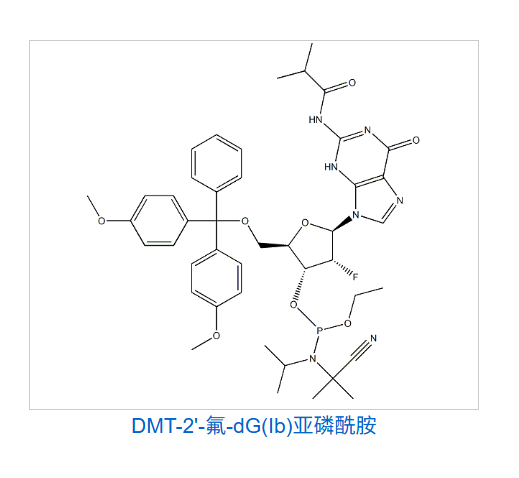
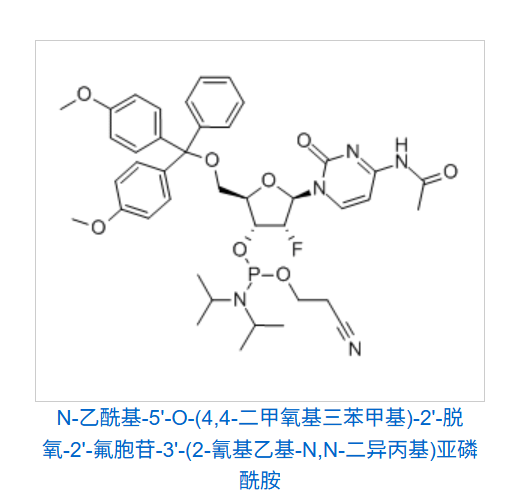
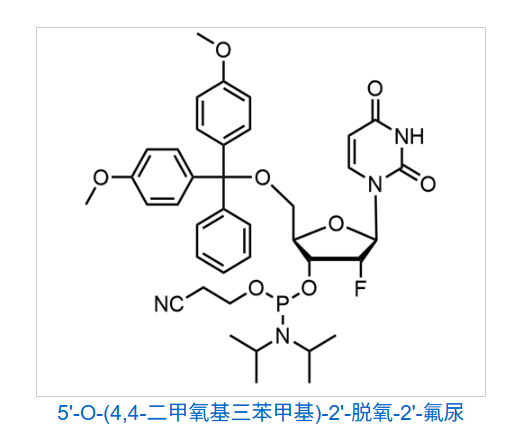
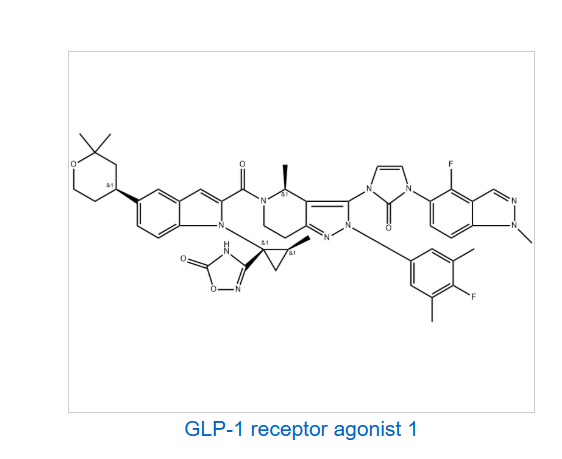
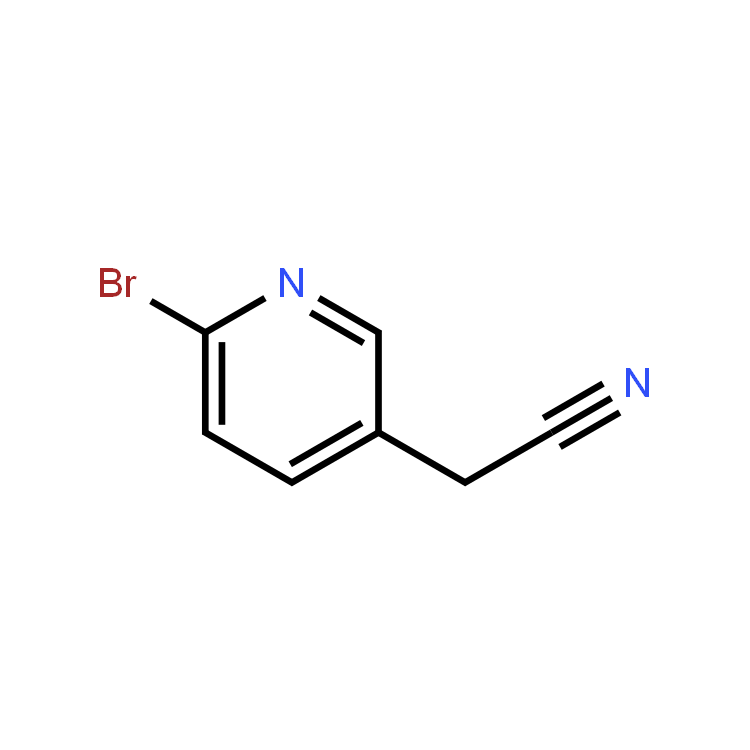
![8-Oxa-1,3-diazaspiro[4.5]decane-2,4-dione](https://eimg.pharmasources.com/image/product/20250403/60fa7223d5a34f24138486ceea0ffb15jpg)
![6,8-Dioxo-5,7-diazaspiro[3.4]octane-2-carboxylic acid](https://eimg.pharmasources.com/image/product/20250403/02effeb5a7639bc84ff1f3add3c0c64fjpg)
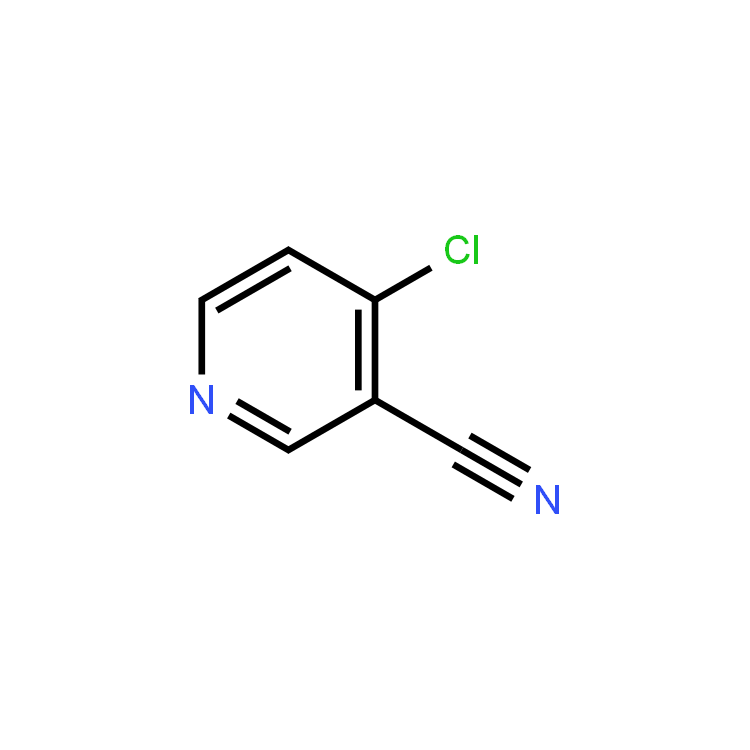
![8,16-Diazadispiro[6.1.6.2]heptadecan-17-one](https://eimg.pharmasources.com/image/product/20250403/ca91cba8b87e53fc879f8d8764873a40jpg)



 (All Rights Reserved)