Product Description
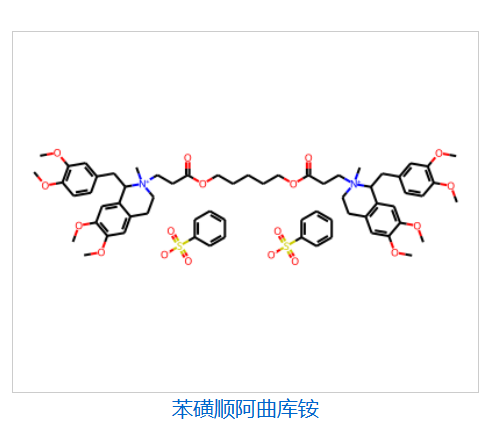
苯磺顺阿曲库铵化学性质熔点:90-93°C储存条件:Sealedindry,Storeinfreezer,under-20°C溶解度:HChemicalbook2O:soluble1mg/mL形态:Powder颜色:whiteInChIKey:XXZSQOVSEBAPGS-UHFFFAOYSA-L
AI Product Description
*The following content is generated by AI and is for reference only.
Cisatracurium besylate is a potent, non-depolarizing neuromuscular blocking agent widely utilized in clinical anesthesia to facilitate endotracheal intubation and provide skeletal muscle relaxation during surgical procedures. Chemically known as 1-[(2S)-2-[(3aR,4R,6aS)-2-methylhexahydro-1H-furo[3,2-b]furan-3a-yl]-methyl]-4-(3-hydroxypropyl)pyridinium, it exists as the besylate salt form to enhance stability and solubility. Its molecular formula is C₃₇H₅₆Br₂N₂O₁₀S, with a precise molecular weight of approximately 879.7 g/mol. The substance is identified by the unique CAS Registry Number 105477-90-7.
Unlike some other neuromuscular blockers that rely heavily on hepatic or renal metabolism for elimination, cisatracurium undergoes spontaneous degradation via Hofmann elimination and ester hydrolysis. This unique pharmacokinetic profile renders it particularly advantageous for patients with compromised liver or kidney function, as its clearance is independent of organ perfusion rates. The drug acts competitively at the nicotinic acetylcholine receptors located at the neuromuscular junction, preventing acetylcholine from binding and thereby inhibiting muscle contraction.
Clinically, cisatracurium besylate is favored for its predictable duration of action, typically lasting between 30 to 40 minutes following an intravenous bolus, and its minimal cardiovascular side effects compared to older agents like pancuronium. It produces no histamine release when administered at recommended doses, reducing the risk of hypotension and bronchospasm. Due to its stereoselective nature, it possesses higher potency than its parent compound, atracurium, allowing for smaller dosing volumes. Consequently, it has become a standard of care in operating rooms worldwide for maintaining muscle paralysis during various types of surgery, including abdominal, thoracic, and orthopedic procedures. Its safety profile, combined with reliable onset and recovery times, ensures optimal surgical conditions while minimizing postoperative complications associated with residual paralysis.


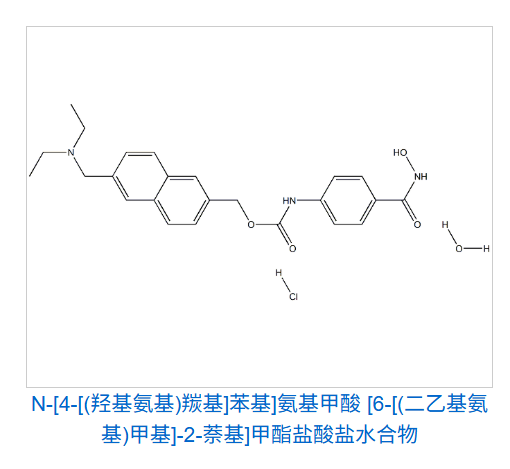
![8,16-Diazadispiro[6.1.6.2]heptadecan-17-one](https://eimg.pharmasources.com/image/product/20250403/ca91cba8b87e53fc879f8d8764873a40jpg)
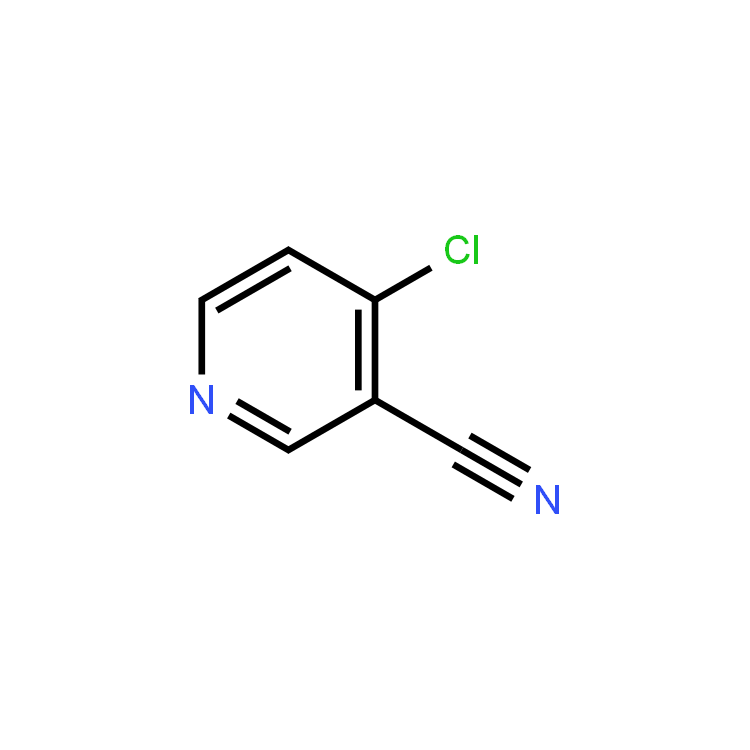
![8-Oxa-1,3-diazaspiro[4.5]decane-2,4-dione](https://eimg.pharmasources.com/image/product/20250403/60fa7223d5a34f24138486ceea0ffb15jpg)
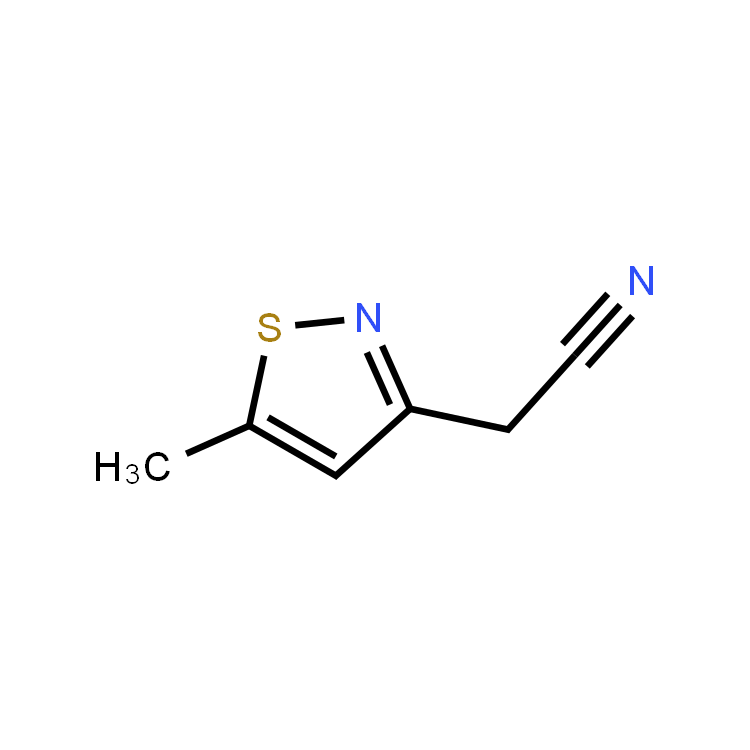
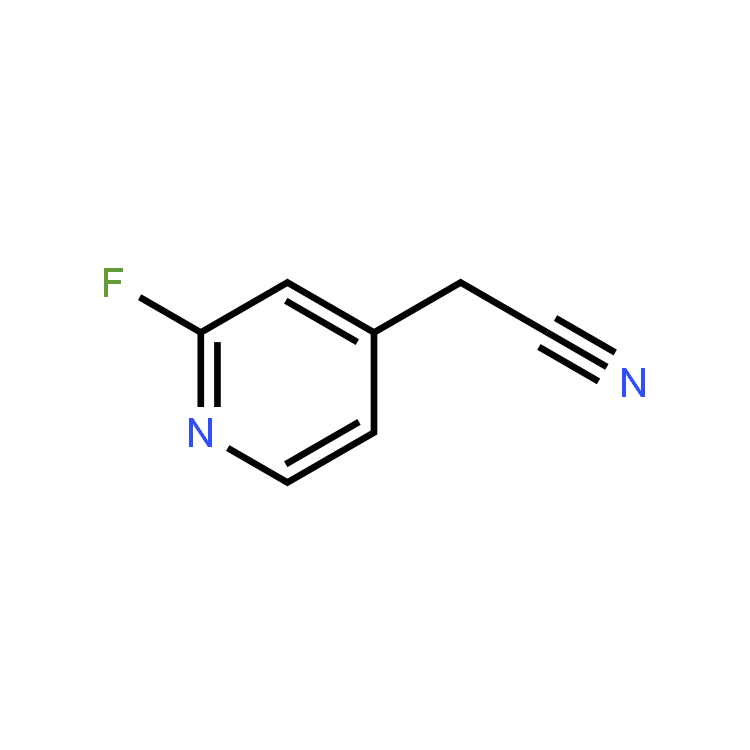
![6,8-Dioxo-5,7-diazaspiro[3.4]octane-2-carboxylic acid](https://eimg.pharmasources.com/image/product/20250403/02effeb5a7639bc84ff1f3add3c0c64fjpg)



 (All Rights Reserved)