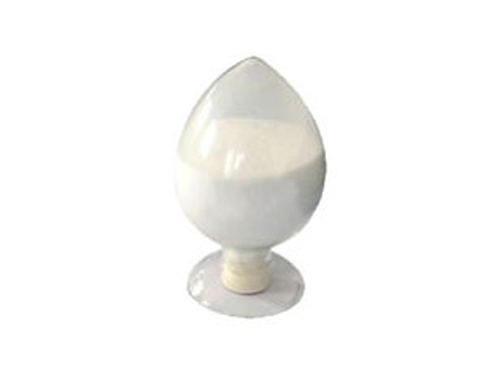
Product Description
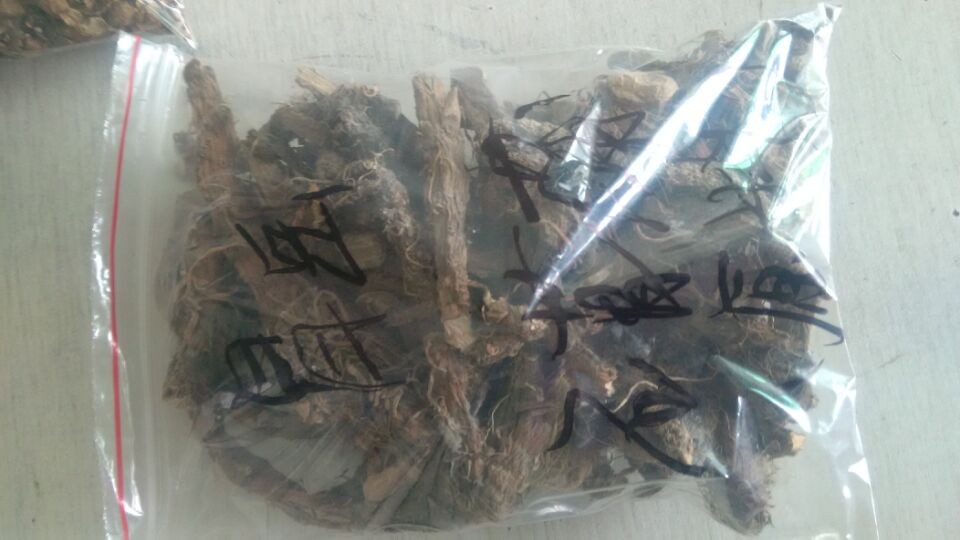
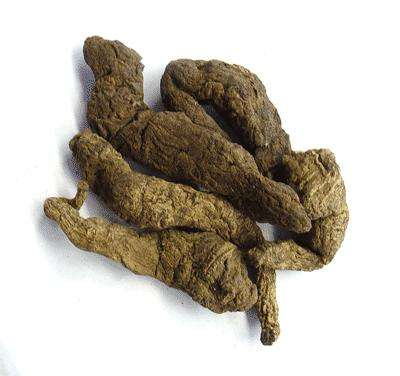
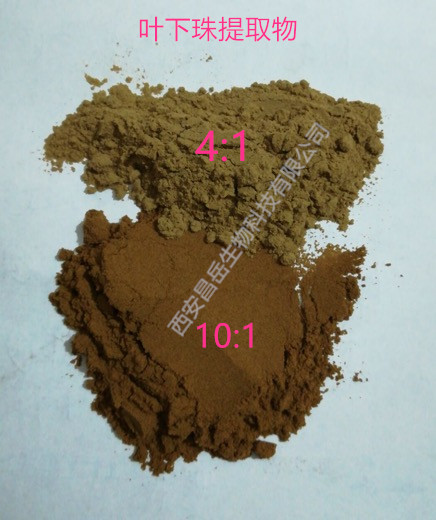
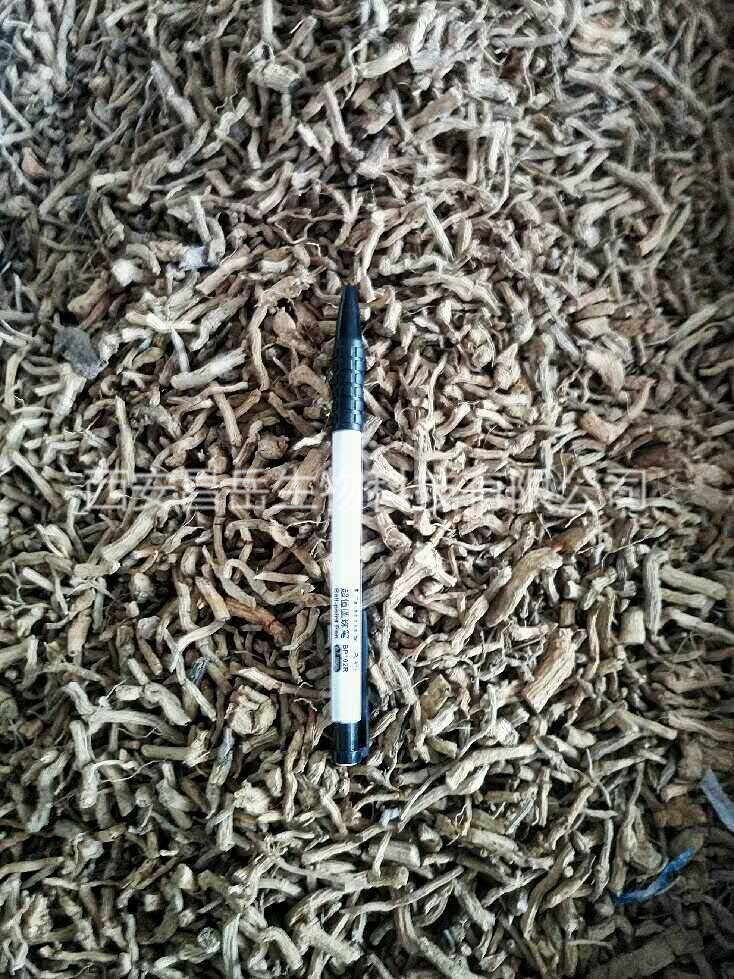
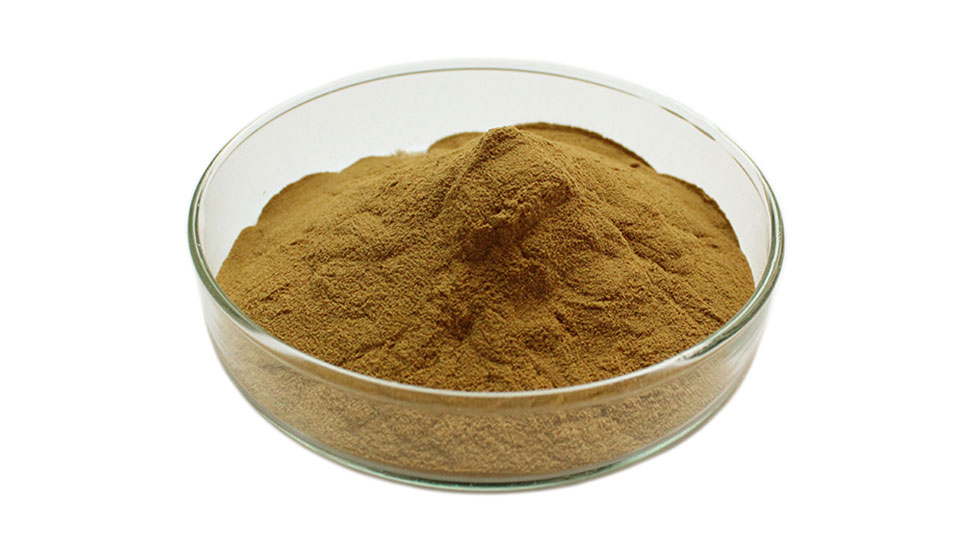
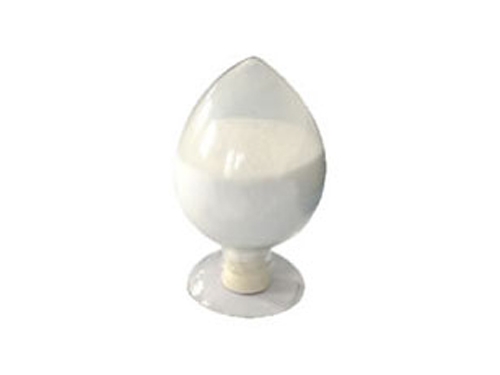
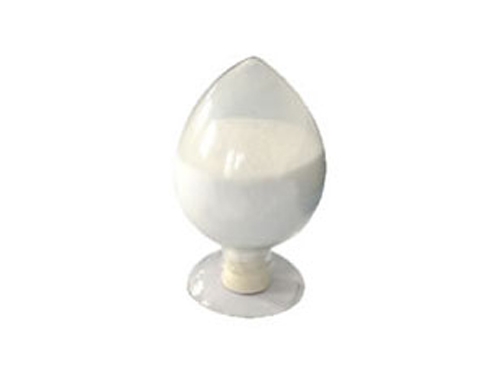
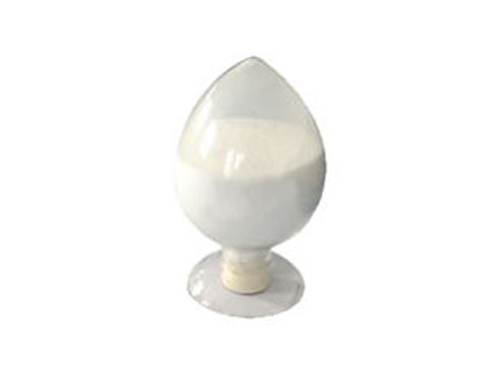
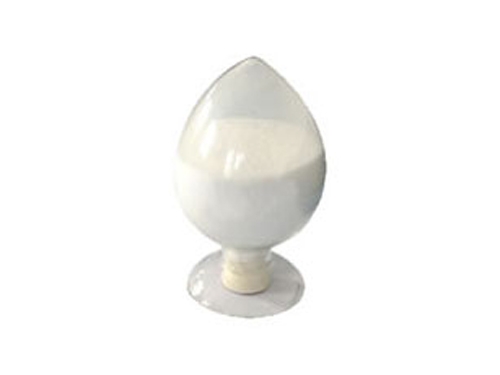
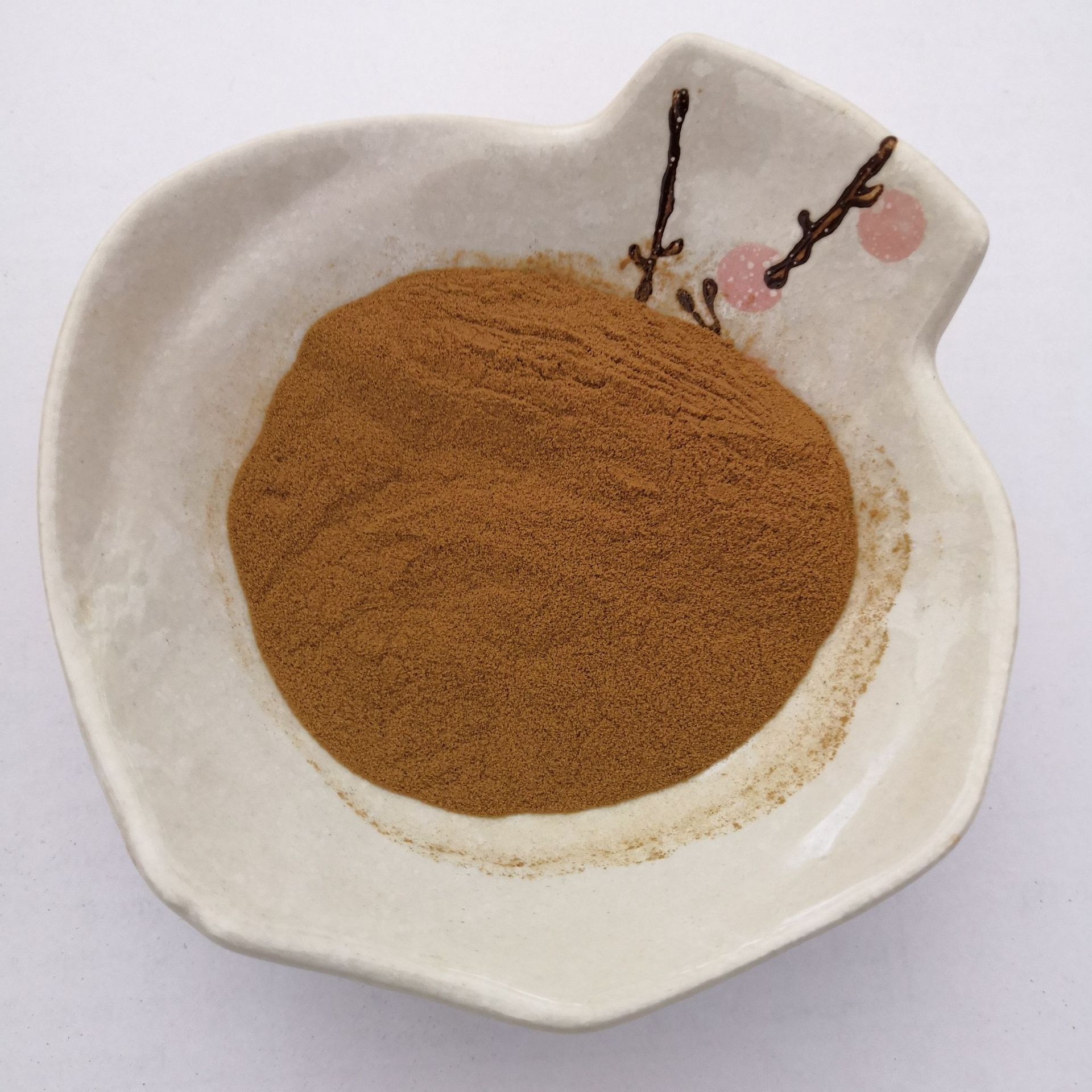
Tan to red brown powder, powder of rubiaceae Cinchona genus Cinchona Cinchona ledgeriana Moens., dry bark, leaf.
AI Product Description
*The following content is generated by AI and is for reference only.
Cinchona Extract is a complex natural mixture derived from the bark of trees belonging to the Cinchona genus, native primarily to the Andean regions of South America. Unlike pure chemical compounds with a single molecular formula, this extract contains a diverse array of alkaloids, making it impossible to assign one specific molecular formula or CAS number to the bulk material as a whole. However, its primary active constituents are well-documented: quinine (CAS 130-95-0), quinidine, cinchonine, and cinchonidine. These alkaloids share a characteristic structure based on the methoxyquinoline skeleton, but each possesses distinct molecular formulas reflecting their unique substitution patterns. For instance, quinine has the formula C20H24N2O2.
The historical significance of Cinchona Extract is profound, having revolutionized medicine in the 17th century as the first effective treatment for malaria. Its primary modern application remains in the pharmaceutical industry, where it serves as a crucial raw material for synthesizing antimalarial drugs like chloroquine and mefloquine. Quinine, the most abundant alkaloid, is still utilized to treat severe cases of malaria and is legally approved in some jurisdictions for muscle cramps, although usage is strictly regulated due to potential side effects such as cardiac arrhythmias. Beyond healthcare, the extract finds niche applications in the flavoring industry, notably providing the distinctive bitter note in tonic water. In chemistry, it acts as a chiral pool reagent; the naturally occurring optical activity of its alkaloids makes them valuable catalysts for asymmetric synthesis in organic laboratories. Additionally, it has been used historically as a feed additive to improve livestock health. Due to its potent biological activity, regulatory bodies strictly control its extraction and distribution. While the extract itself does not have a unified CAS registry entry, individual alkaloids within it are cataloged separately. Users must handle this substance with care, adhering to safety protocols regarding toxicity and dosage. As a natural product, the exact composition of any specific batch may vary depending on the tree species and geographical origin, necessitating rigorous quality control in industrial applications.










 (All Rights Reserved)