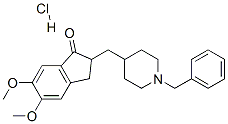
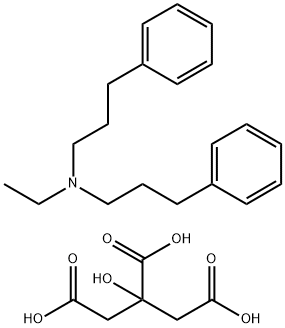
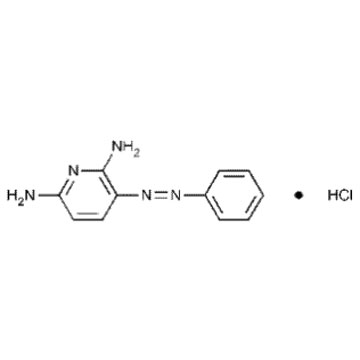
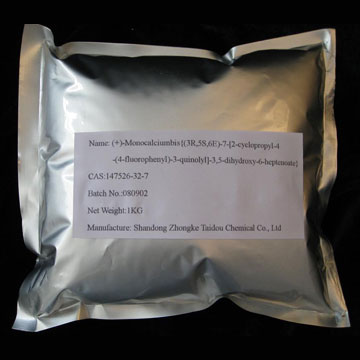
Product Description
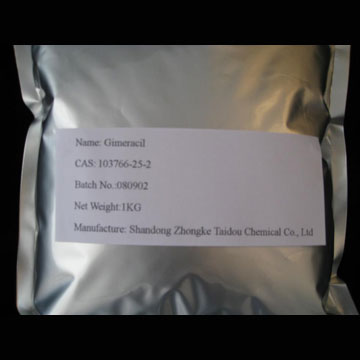
It is used for coronary atherosclerotic diseases, elevated blood lipids and cholesterol, arteriosclerosis, angina, myocardial ischemia, myocardial infarction and other diseases in patients with coronary heart disease.
AI Product Description
*The following content is generated by AI and is for reference only.
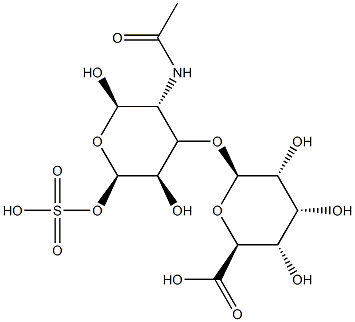
Chondroitin sulfate is a naturally occurring glycosaminoglycan (GAG) widely recognized for its critical role in maintaining joint health and cartilage integrity. Chemically, it consists of repeating disaccharide units made up of glucuronic acid and N-acetyl-galactosamine, which are often sulfated at various positions to form complex polymer chains. The molecular formula is generally represented as C8H13NO9S when referring to the basic monomeric unit, though the actual substance exists as high-molecular-weight polymers with variable chain lengths depending on the source, typically derived from bovine trachea, shark cartilage, or porcine tissues. Its CAS number is 9007-28-7, a unique identifier used globally for regulatory and scientific tracking.
Functionally, chondroitin sulfate acts as a primary structural component of cartilage, providing resistance to compression and facilitating the absorption of shock within joints. It attracts water molecules into the tissue, ensuring lubrication and flexibility, while simultaneously inhibiting enzymes that degrade cartilage matrix. Consequently, it is extensively utilized in the pharmaceutical and nutraceutical industries as a dietary supplement for managing osteoarthritis and other degenerative joint conditions. Clinical studies suggest that supplementation can help reduce pain, improve mobility, and potentially slow disease progression, making it a popular choice alongside glucosamine for arthritis patients. Beyond human medicine, it finds applications in cosmetic formulations due to its ability to retain moisture and support skin elasticity, and in tissue engineering as a biomaterial scaffold for regenerating damaged connective tissues.
The product is available in various forms, including capsules, tablets, powders, and injectable solutions, catering to diverse therapeutic needs. Regulatory bodies such as the FDA classify it as a dietary supplement, while the EMA recognizes it for symptomatic relief in knee osteoarthritis. Despite its widespread use, consumers should be aware of potential interactions with anticoagulant medications like warfarin. Overall, chondroitin sulfate remains a cornerstone compound in musculoskeletal health, bridging the gap between natural biological function and clinical intervention to enhance quality of life for millions suffering from joint disorders worldwide.




 (All Rights Reserved)