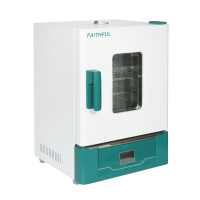
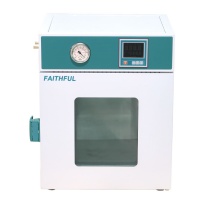
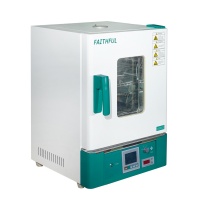
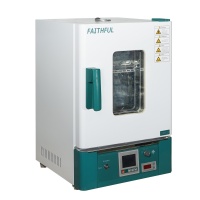
Product Description
please call me ,to know more
AI Product Description
*The following content is generated by AI and is for reference only.
Chlorofluorohydride drying equipment refers to specialized industrial systems designed for the precise removal of moisture from sensitive materials using advanced halogen-based chemical agents. These units are primarily utilized in high-precision manufacturing sectors, including semiconductor fabrication, pharmaceutical production, and aerospace component assembly, where even trace amounts of humidity can compromise product integrity or cause catastrophic failure during processing. The core function involves circulating a controlled atmosphere containing specific chlorofluorohydride compounds that actively bind with water molecules, ensuring an ultra-dry environment without introducing thermal stress to heat-sensitive substrates.
The operational mechanism relies on maintaining strict temperature and pressure parameters to maximize the efficiency of the desiccant reaction while preventing condensation within the chamber. Unlike conventional thermal dryers, this technology offers rapid dehydration cycles suitable for delicate electronic wafers or biological samples that cannot withstand elevated temperatures. The equipment typically features automated control interfaces, real-time humidity monitoring sensors, and fail-safe mechanisms to detect leaks or pressure anomalies immediately.
Critical safety precautions must be observed due to the reactive nature of the chemicals involved. Operators require comprehensive training in handling hazardous gases, as improper exposure can lead to severe respiratory issues or skin irritation. Adequate ventilation systems and gas detection alarms are mandatory components of any installation to ensure workplace safety. Furthermore, waste disposal protocols must strictly adhere to environmental regulations regarding halogenated compounds, which are potent ozone-depleting substances if released into the atmosphere. Regular maintenance of seals, filters, and piping is essential to prevent corrosion and ensure long-term reliability. Before initiating any cycle, users must verify system integrity and confirm that all emergency shut-off procedures are functional. Neglecting these safety measures not only risks operator health but also violates international environmental treaties. Ultimately, while offering unparalleled drying precision, the deployment of such equipment demands rigorous adherence to safety standards and environmental compliance to mitigate potential hazards associated with its specialized chemical processes.






 (All Rights Reserved)