Product Description
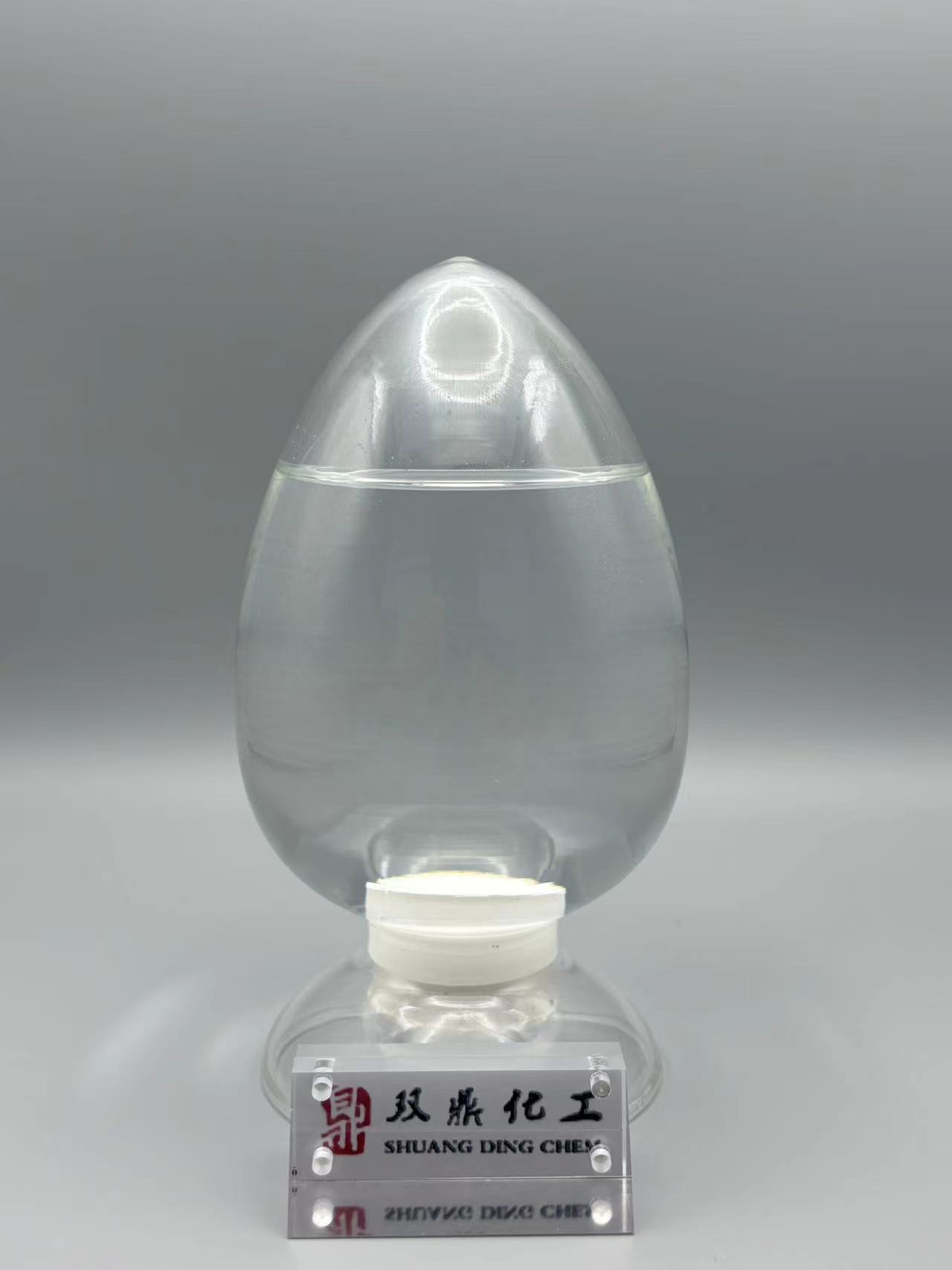
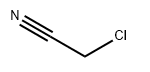
| 氯乙腈(液体) |
Chloroacetonitrile |
| CAS RN |
107-14-2 |
| Purity / Analysis Method |
>99.0%(GC) |
| Molecular Formula / Molecular Weight |
C2H2ClN=75.5 |
| Physical State (20 deg.C) |
Liquid |
| Storage Temperature |
Room Temperature (Recommended in a cool and dark place, <15°C) |
| Appearance |
Colorless to pale yellow liquid |
| Boiling Point |
126 °C |
| Flash point |
47 °C |
AI Product Description
*The following content is generated by AI and is for reference only.
Chloroacetonitrile, chemically known as 2-chloroacetonitrile, is a versatile and highly reactive organic compound widely utilized in industrial chemistry and pharmaceutical synthesis. Its molecular formula is C₂H₂ClN, reflecting its structure as an acetonitrile derivative where one hydrogen atom on the methyl group is substituted by a chlorine atom. The substance is identified globally by the CAS number 107-14-2. At standard conditions, it appears as a colorless to pale yellow liquid with a distinct, pungent odor, and it possesses a boiling point of approximately 96°C. Due to its high polarity and solubility in water and common organic solvents, it serves as a crucial intermediate in various chemical manufacturing processes.
The primary application of chloroacetonitrile lies in the production of agrochemicals, particularly herbicides and fungicides. It acts as a key building block for synthesizing pyridine derivatives and other heterocyclic compounds essential for crop protection. In the pharmaceutical industry, this reagent is indispensable for creating active pharmaceutical ingredients (APIs), including certain antibiotics and cardiovascular drugs. Furthermore, it plays a significant role in the synthesis of dyes, pigments, and plasticizers used across the textile and polymer sectors. Its reactivity makes it ideal for introducing cyano groups into complex molecular structures through nucleophilic substitution reactions.
Despite its utility, chloroacetonitrile presents significant safety challenges. It is classified as a toxic substance that can be absorbed through inhalation, skin contact, or ingestion. Exposure may cause severe irritation to the eyes, respiratory tract, and skin, while systemic toxicity can affect the central nervous system and liver. Consequently, strict handling protocols are mandatory during storage and transport. Facilities must ensure adequate ventilation, utilize appropriate personal protective equipment (PPE), and maintain compatibility with compatible materials to prevent accidental releases. Regulatory bodies worldwide enforce rigorous guidelines regarding its disposal and environmental impact due to its potential hazards. As a result, industries prioritize safety training and emergency response planning when working with this critical chemical intermediate.





 (All Rights Reserved)
![Ethyl 5-methylbenzo[b]thiophene-2-carboxylate](https://eimg.pharmasources.com/image/product/20250919/bd4b4317408ace91b597157b395c106bjpg)

![3-Bromo-5-tert-butylbenzo[b]thiophene](https://eimg.pharmasources.com/image/product/20250919/742a9f6c2521018bdd155a4ef08a8873jpg)
![5-Hydroxy-3,9-dimethyl-7H-benzo[c]fluoren-7-one](https://eimg.pharmasources.com/image/product/20250919/d01931f02fb1e7e8231c9933d73e3837jpg)


![3-Iodo-5-tert-butylbenzo[b]thiophene](https://eimg.pharmasources.com/image/product/20250919/370cd976e4b82e45e310eab5fdf6b1f1jpg)
