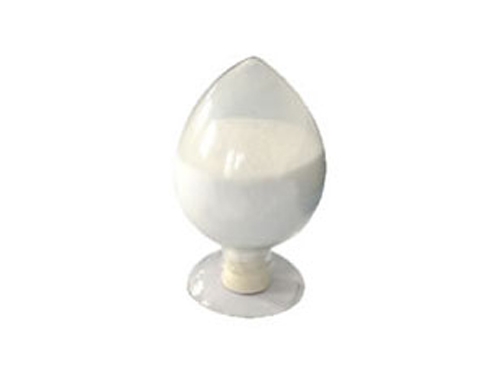
Product Description
Product Name: Tomato Seed Oil
Source: Tomato Seed
Specification:
oleic acid 23%
linoleic acid 55%
Linolenic acid 2%
lycopene 25 mg/kg
VE 450 mg/kg
Usage:
1, the prevention and inhibition of cancer
2, to protect cardiovascular
3, the resistance to ultraviolet radiation function
5, anti-aging, enhance immunity
AI Product Description
*The following content is generated by AI and is for reference only.
Chilli oil extract, tomato seed oil, and related botanical extracts are distinct natural ingredients widely utilized in the food, cosmetic, and pharmaceutical industries for their unique bioactive profiles. While often grouped under "natural oils," they possess different chemical compositions and applications. Tomato seed oil (Lycopersicon esculentum) is rich in lycopene, a potent carotenoid antioxidant, along with linoleic acid and vitamin E. Its molecular formula varies depending on specific fatty acid composition, but it generally consists of triglycerides derived from C18:2 and C18:3 fatty acids; it does not have a single CAS number as it is a complex mixture, though specific components like lycopene have CAS 502-65-8. This oil is primarily used in skincare formulations for its anti-aging properties, UV protection capabilities, and ability to improve skin elasticity. It serves as an excellent emollient that absorbs quickly without leaving a greasy residue.
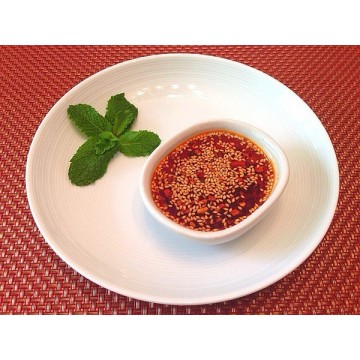
In contrast, chilli oil extract refers to oleoresins obtained from Capsicum species, containing capsaicinoids which provide pungency and metabolic benefits. The primary active compound, capsaicin, has the molecular formula C18H27NO3 and CAS number 404-86-4. These extracts are extensively used in the food industry as flavor enhancers and in nutraceuticals for pain relief and circulation improvement. When combined or compared, these extracts offer synergistic potential in functional foods and topical analgesics. Their natural origin appeals to consumers seeking clean-label products free from synthetic additives. In cosmetics, they contribute to antioxidant defense systems, reducing oxidative stress caused by environmental pollutants. In the culinary sector, they enhance flavor complexity and provide health-promoting thermogenic effects. Regulatory bodies such as the FDA and EFSA classify these ingredients as Generally Recognized As Safe (GRAS) when used within specified limits. Manufacturers value them for their versatility, stability under various processing conditions, and strong market demand driven by the growing trend toward plant-based wellness solutions. Whether formulated into serums, dietary supplements, or gourmet sauces, these botanical oils represent a bridge between traditional herbal medicine and modern scientific application, delivering tangible benefits for skin health, metabolic function, and sensory enjoyment.





 (All Rights Reserved)