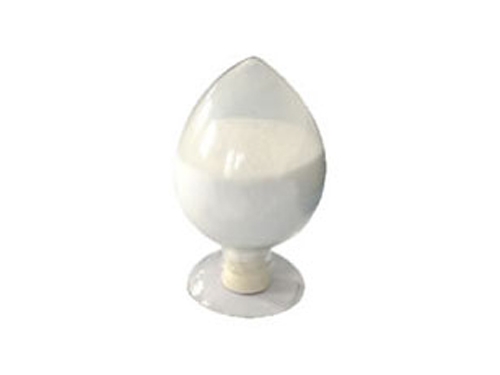
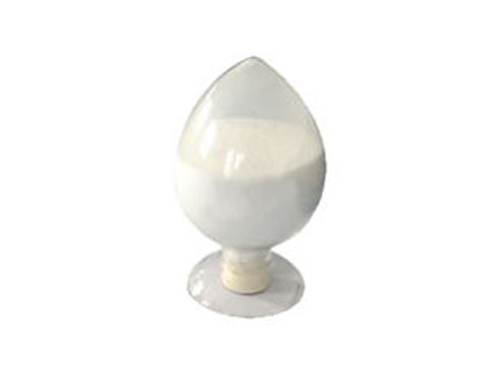
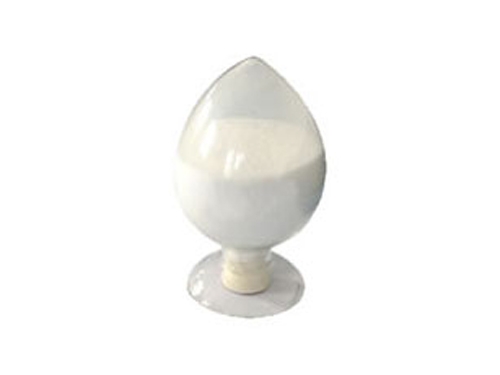
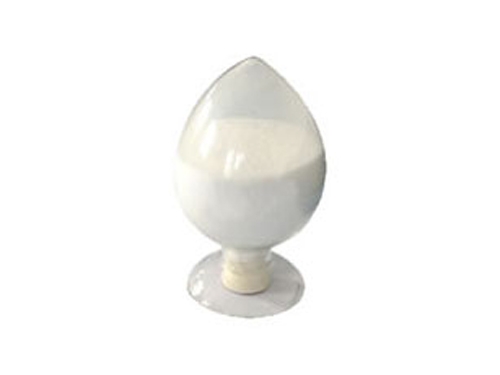
Product Description
We are professional Raw Material Manufacturer, with more than 10 years' experience.
Please contact us for more information and detailed quotation
Email: sales12@sgonekbio.com
Phone/WhatsApp/Wechat: +86 13572550462

AI Product Description
*The following content is generated by AI and is for reference only.
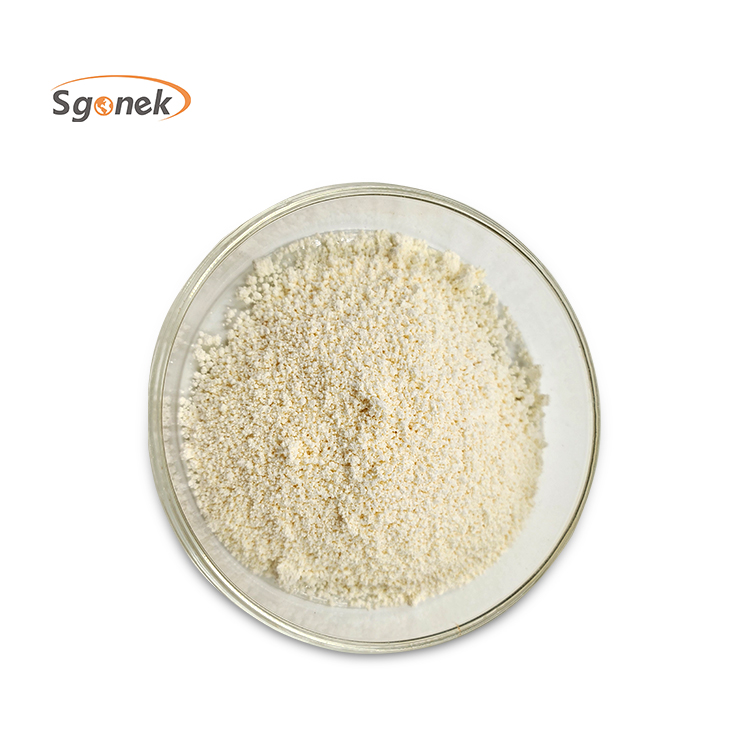
Chickpea protein, derived from the seeds of *Cicer arietinum*, has emerged as a premier plant-based alternative in the global food and supplement industries. Unlike single-molecule compounds with a specific chemical formula or CAS number, chickpea protein is a complex mixture of various globulin proteins, primarily consisting of legumin (vicilin-like) and vicilin (legumin-like) fractions. Consequently, it does not possess a singular molecular formula or a unique CAS registry number; instead, it is identified by its botanical source and extraction method. This versatile ingredient typically contains approximately 50% to 60% protein on a dry weight basis and offers a complete amino acid profile, though it may be slightly low in methionine compared to animal sources.
The primary applications of chickpea protein are extensive across multiple sectors. In the food industry, it serves as a functional ingredient for meat analogs, dairy alternatives, and baked goods due to its excellent emulsification, water-binding, and foaming properties. Its mild, nutty flavor profile makes it ideal for smoothies, protein bars, and savory snacks without overpowering other ingredients. Furthermore, the rising demand for clean-label products has propelled chickpea protein into the sports nutrition market, where it provides a sustainable, hypoallergenic option for athletes seeking non-dairy and non-soy solutions. Beyond nutrition, it is increasingly utilized in personal care formulations as a biodegradable film former and moisturizer. The production process often involves alkaline extraction followed by isoelectric precipitation, ensuring high purity and minimal processing residues. As consumers shift towards eco-friendly diets, chickpea protein stands out for its low environmental footprint, requiring significantly less water and land than soy or whey production. Its allergen-free status relative to common triggers like gluten, dairy, and soy further expands its market reach. With ongoing advancements in texturization technologies, chickpea protein continues to redefine the landscape of sustainable nutrition, offering a robust solution for future food security and health-conscious lifestyles worldwide.





 (All Rights Reserved)