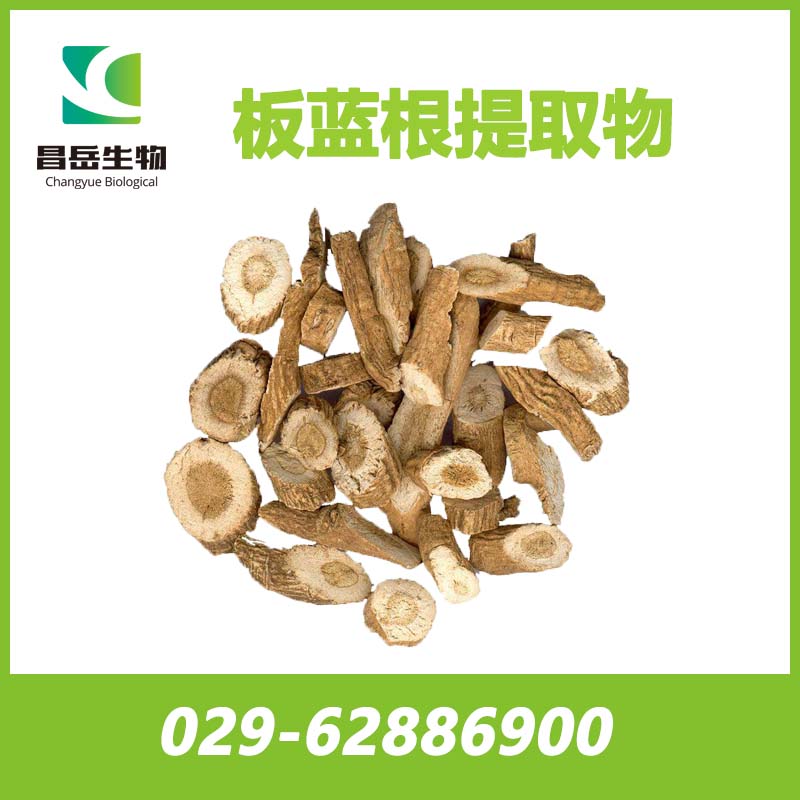
Product Description
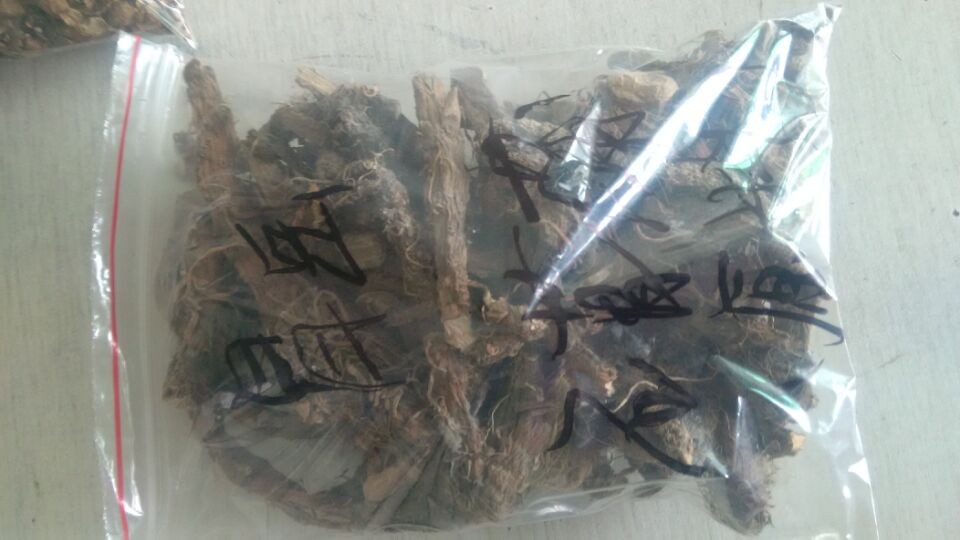
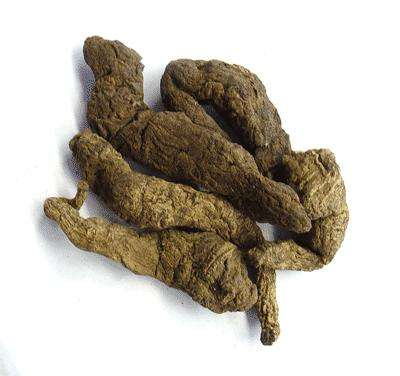
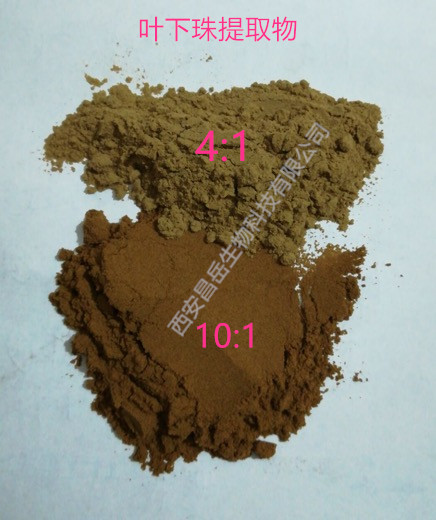
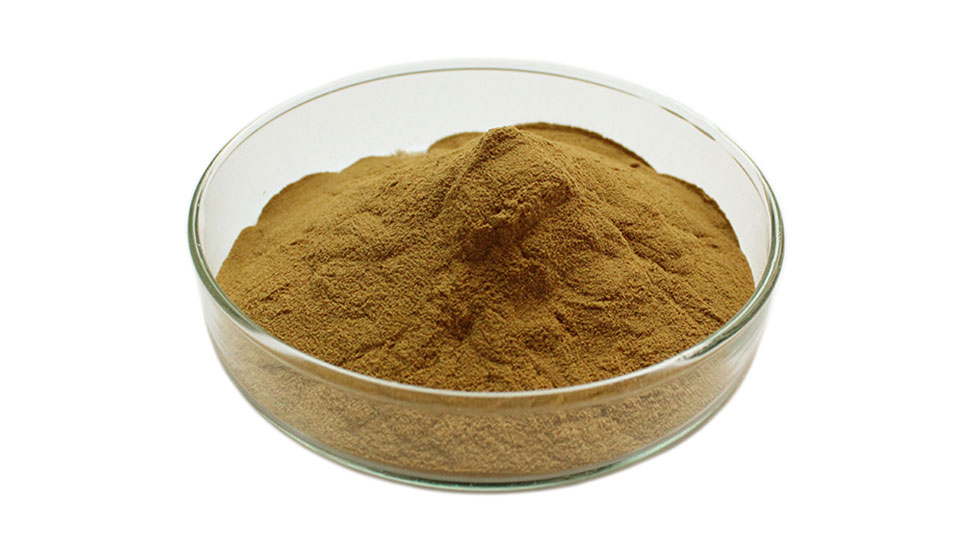
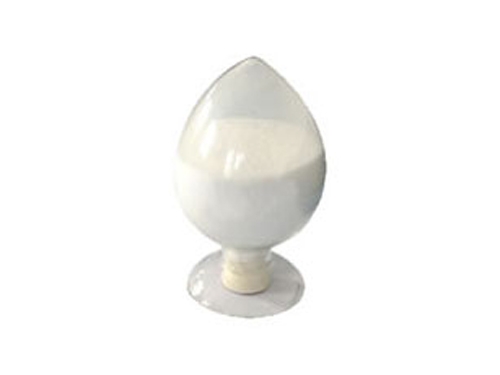
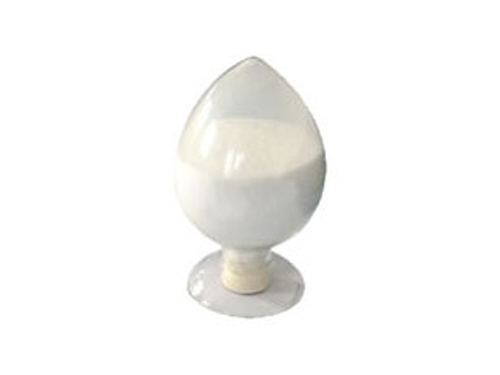
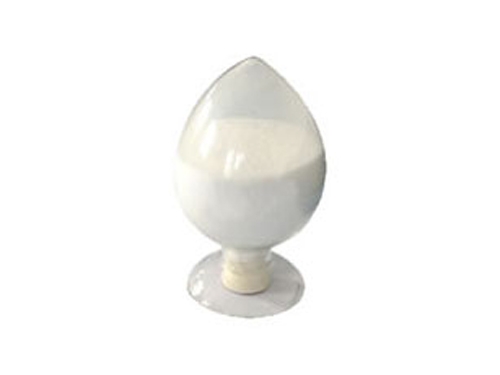
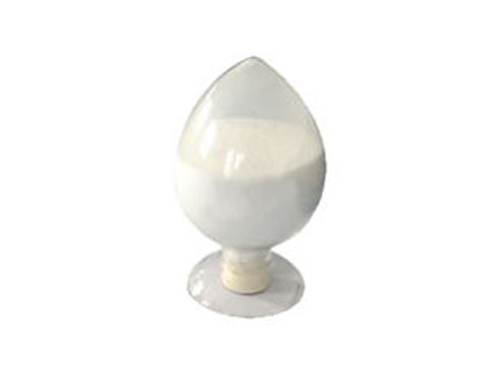
Light green powder, cold, taste GanXin, non-toxic;
Into the intestines and stomach.
AI Product Description
*The following content is generated by AI and is for reference only.
Spinach, botanically classified under the family Chenopodiaceae (now often merged into Amaranthaceae) and scientifically known as *Spinacia oleracea*, is a globally cultivated leafy vegetable renowned for its exceptional nutritional profile. While spinach is a complex biological organism rather than a single chemical compound, it does not possess a singular molecular formula or CAS number in the traditional sense used for synthetic chemicals. Instead, it contains a vast array of bioactive molecules. Key constituents include chlorophyll (C55H72MgN4O5), various vitamins such as Vitamin K1 (phylloquinone, C31H46O2), Vitamin A (beta-carotene, C40H56), and essential minerals like iron and magnesium. These compounds work synergistically to provide significant health benefits.
The primary uses of spinach are centered on human nutrition and culinary applications. It serves as a powerhouse source of dietary fiber, antioxidants, and essential micronutrients, playing a crucial role in preventing chronic diseases, supporting eye health due to lutein and zeaxanthin content, and promoting cardiovascular function through potassium and nitrates. In the food industry, spinach is versatile, utilized fresh in salads, cooked in soups and stews, frozen for preservation, or processed into powders and extracts for dietary supplements and functional foods. Beyond direct consumption, spinach derivatives are increasingly explored in nutraceutical formulations to boost immune systems and improve metabolic health. Additionally, research continues into using spinach biomass for bioremediation and sustainable agricultural practices. Despite the lack of a specific CAS registry for the whole plant, individual isolated compounds from spinach have distinct identifiers, facilitating their use in pharmaceutical and industrial research. As a staple crop, spinach remains integral to global food security and public health initiatives, valued not only for its flavor but for its dense concentration of life-sustaining nutrients that support overall well-being across diverse populations worldwide.

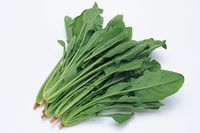



 (All Rights Reserved)