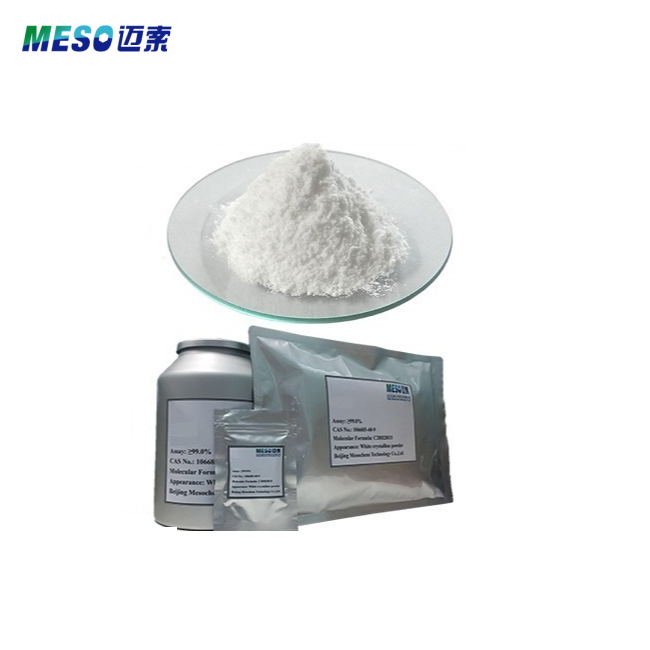
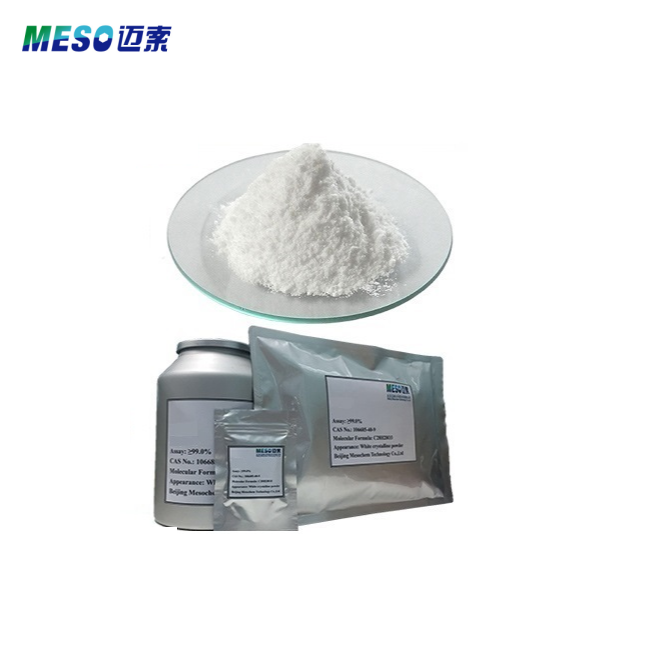
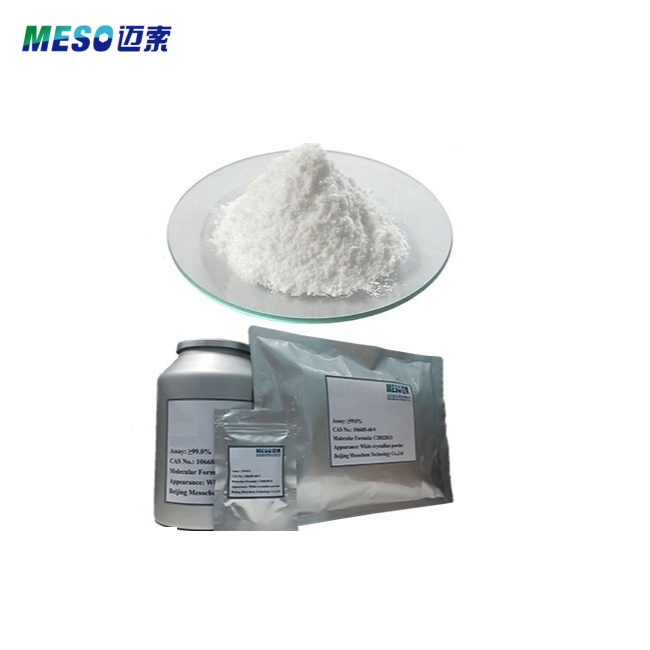
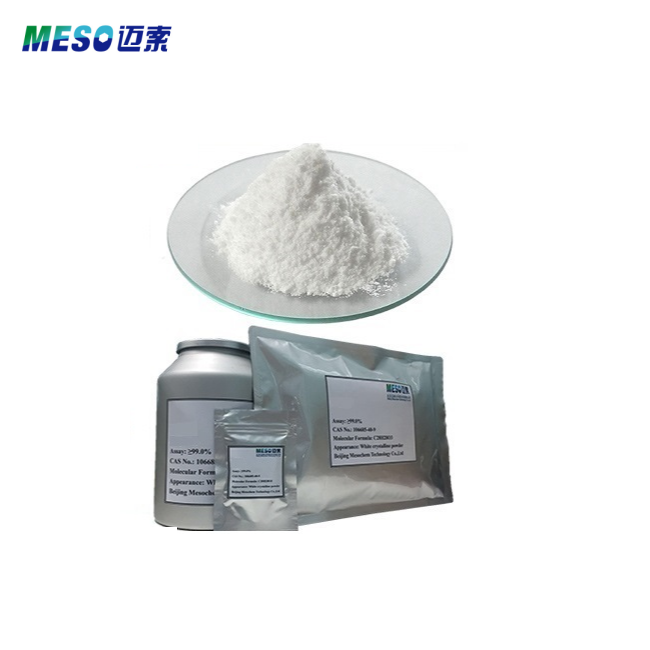
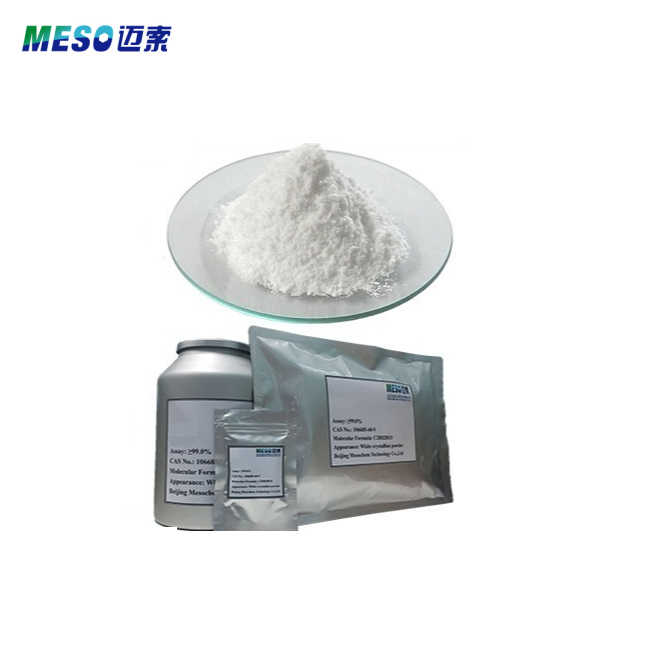
1.Professional manufacturer supply cheap price Linagliptin
2.668270-12-0
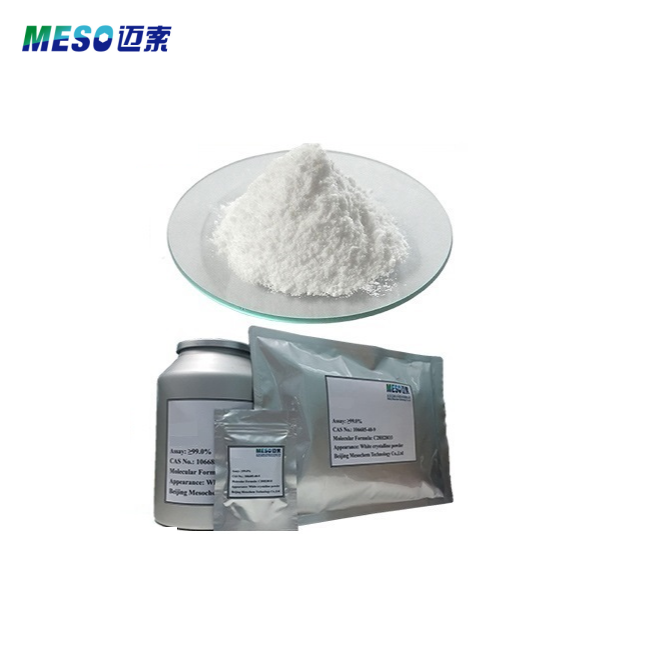
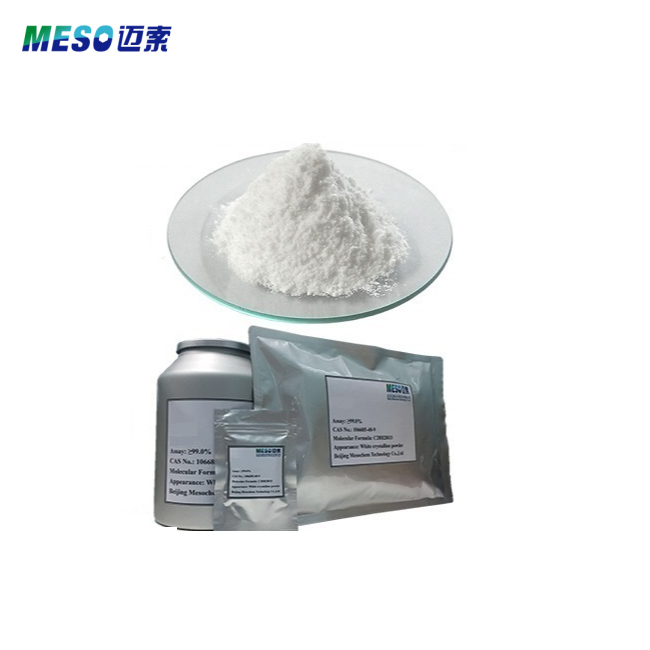
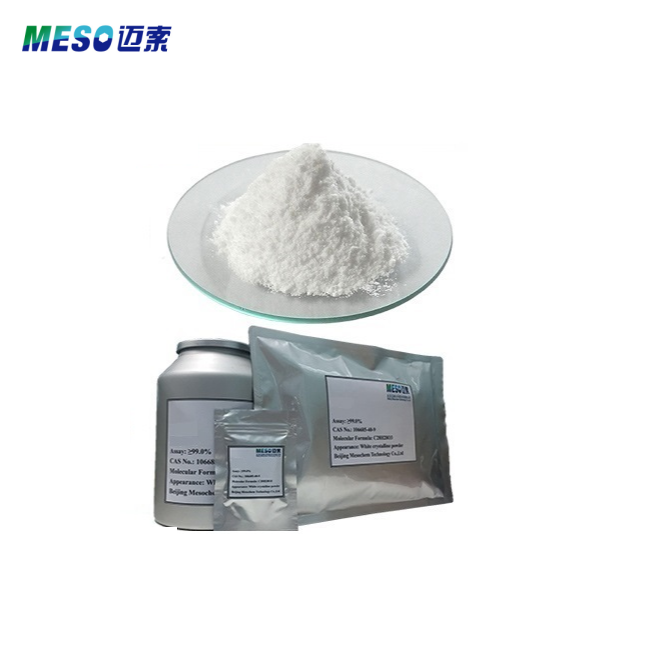
3.White or almost white crystalline powder;
4.,assay no less than 99%
5.Competitive price
*The following content is generated by AI and is for reference only.
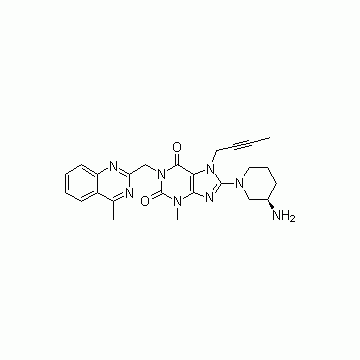
Linagliptin, often marketed under the brand name Tradjenta, is a highly effective oral antidiabetic medication belonging to the class of dipeptidyl peptidase-4 (DPP-4) inhibitors. Its chemical identity is defined by the molecular formula C28H31N5O4 and the CAS Registry Number 254160-09-7. This compound is characterized by its unique xanthine scaffold, which distinguishes it from other drugs in its therapeutic class. The primary mechanism of action involves the reversible inhibition of the DPP-4 enzyme. By blocking this enzyme, Linagliptin prevents the rapid degradation of incretin hormones, specifically glucagon-like peptide-1 (GLP-1) and glucose-dependent insulinotropic polypeptide (GIP). These hormones play a critical role in regulating blood glucose levels by stimulating insulin secretion from pancreatic beta cells in a glucose-dependent manner while simultaneously suppressing inappropriate glucagon release from alpha cells.
Clinically, Linagliptin is indicated as an adjunct to diet and exercise to improve glycemic control in adults with type 2 diabetes mellitus. It can be used as monotherapy or in combination with other antidiabetic agents, such as metformin, sulfonylureas, thiazolidinediones, or basal insulin. A significant pharmacological advantage of Linagliptin is its non-renal elimination pathway; approximately 90% of the drug is excreted via the feces, making it particularly suitable for patients with renal impairment who require dose adjustments for many other medications. Furthermore, due to its high binding affinity and slow dissociation rate from the DPP-4 enzyme, it offers sustained efficacy with once-daily dosing. While often sought after in generic markets for cost-effectiveness, represented by queries like "Cheap Price Linagliptin," the active pharmaceutical ingredient remains consistent in quality and safety regardless of the manufacturer. It generally exhibits a favorable safety profile with a low risk of hypoglycemia when not combined with insulin secretagogues, contributing to its widespread adoption in global diabetes management protocols.






 (All Rights Reserved)