Product Description
please call me ,to know more
AI Product Description
*The following content is generated by AI and is for reference only.
Chaetocin, chemically designated as 2,4-dihydroxy-3,5-dimethyl-1,6-naphthoquinone, is a naturally occurring small molecule first isolated from the marine fungus *Chaetomium* species. With the molecular formula C12H10O4 and a precise CAS number of 87392-27-0, this compound belongs to the class of naphthoquinones and exhibits significant biological activity, particularly in epigenetic regulation. Its most prominent feature is its potent ability to inhibit histone demethylases (KDMs), specifically targeting the lysine-specific demethylase 1 (LSD1) family. By binding to the catalytic site of these enzymes, Chaetocin prevents the removal of methyl groups from histone H3 at lysine 4 (H3K4me2/me3) and lysine 9 (H3K9me2). This inhibition leads to an accumulation of methylated histones, thereby altering chromatin structure and repressing gene transcription associated with various cellular processes.
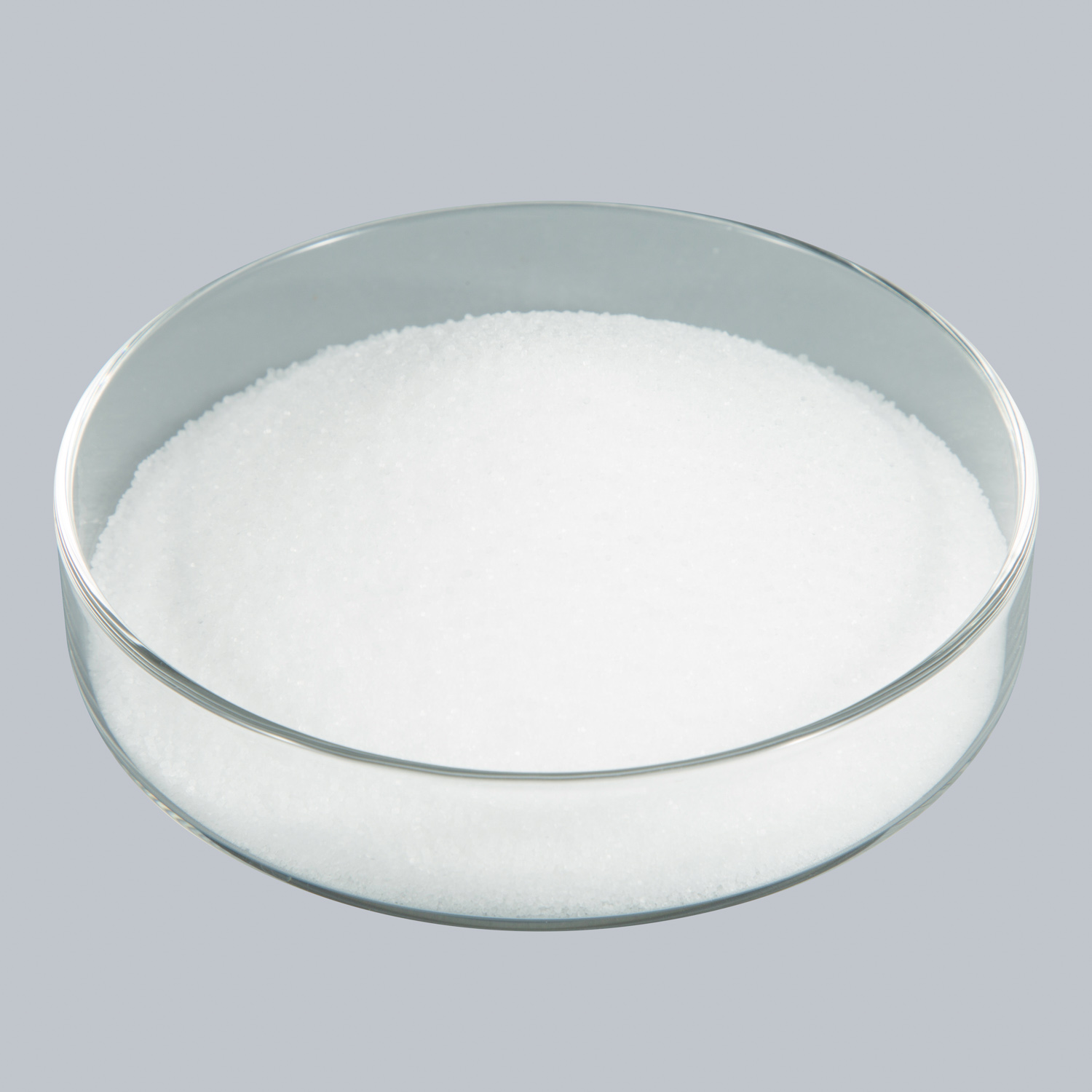
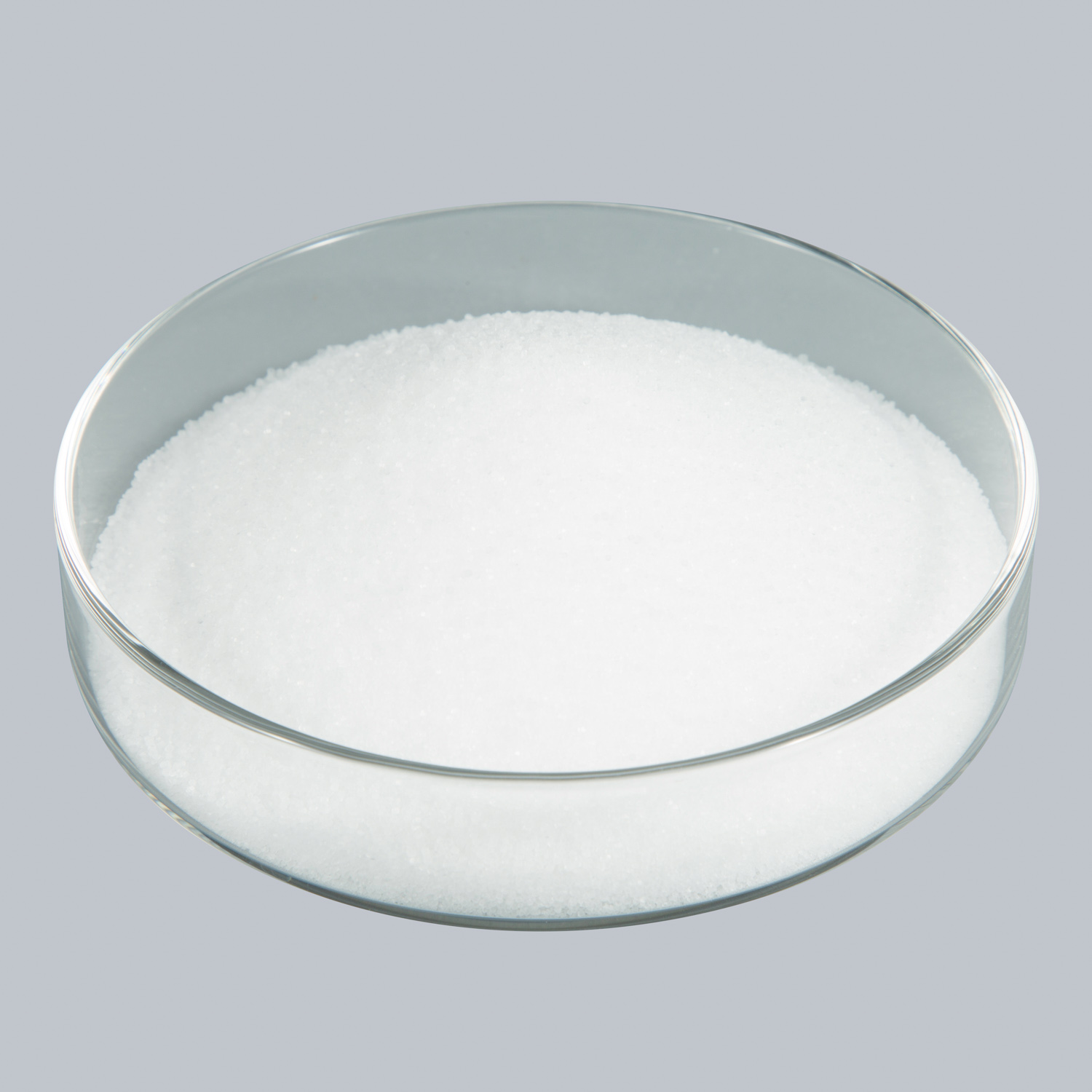
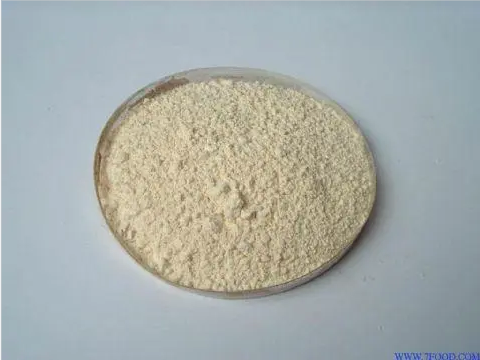
Due to its unique mechanism of action, Chaetocin has become a vital tool in biomedical research for studying epigenetic modifications and their roles in development, differentiation, and disease pathogenesis. It is extensively utilized in cancer research, where LSD1 overexpression is often linked to tumor progression and stemness in leukemia and solid tumors. Consequently, Chaetocin serves as a chemical probe to validate LSD1 as a therapeutic target and to explore potential strategies for reversing malignant phenotypes. Beyond oncology, researchers employ it to investigate neurodegenerative disorders and metabolic diseases where epigenetic dysregulation plays a critical role. While primarily used as a research reagent rather than a clinical drug due to stability and specificity challenges, its discovery has significantly advanced our understanding of histone methylation dynamics. The compound is typically supplied as a white to off-white powder, requiring storage under inert atmospheres at low temperatures to maintain integrity. In summary, Chaetocin stands as a cornerstone molecule in modern epigenetics, offering indispensable insights into the complex interplay between chromatin remodeling and gene expression control across diverse biological systems.






 (All Rights Reserved)