Product Description
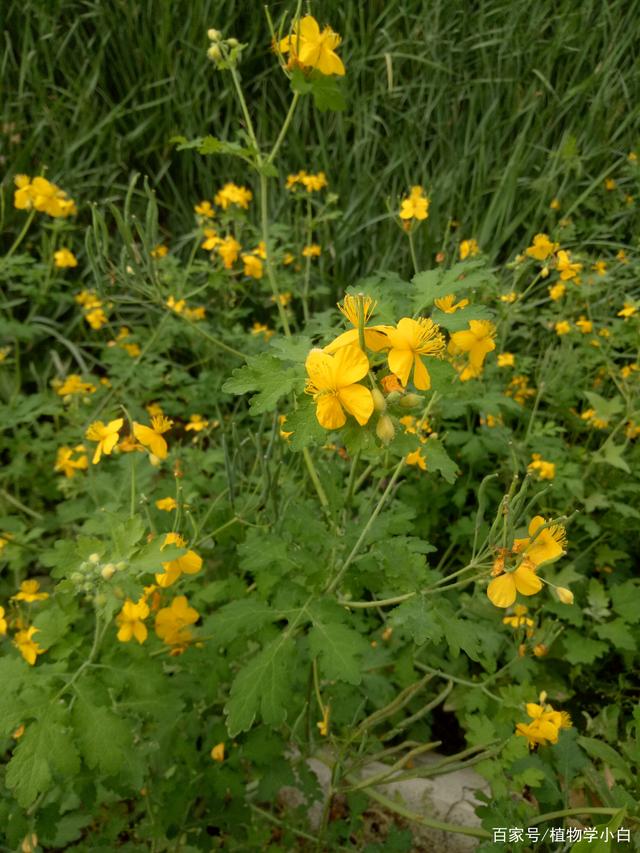
Celandine (scientific name: Chelidonium majus), as dicotyledons outline, poppy, a plant species of the genus celandine.
From the compendium of material medica, JiuHuang belong to all the grasses.
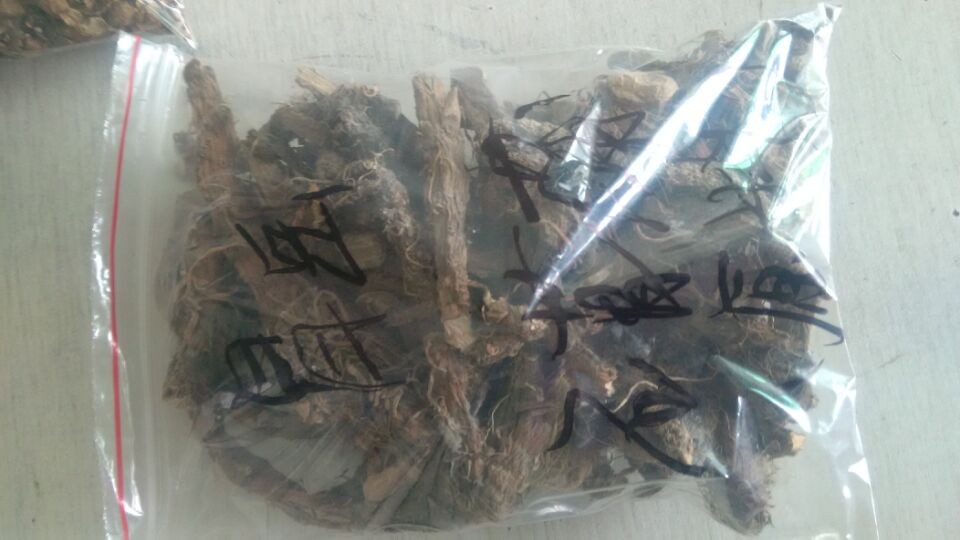
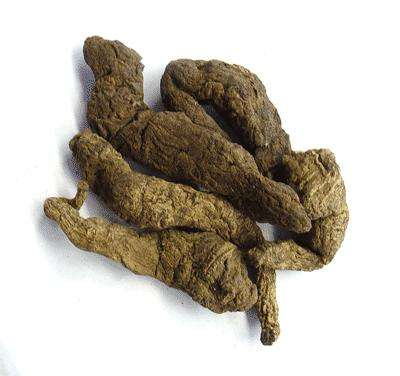
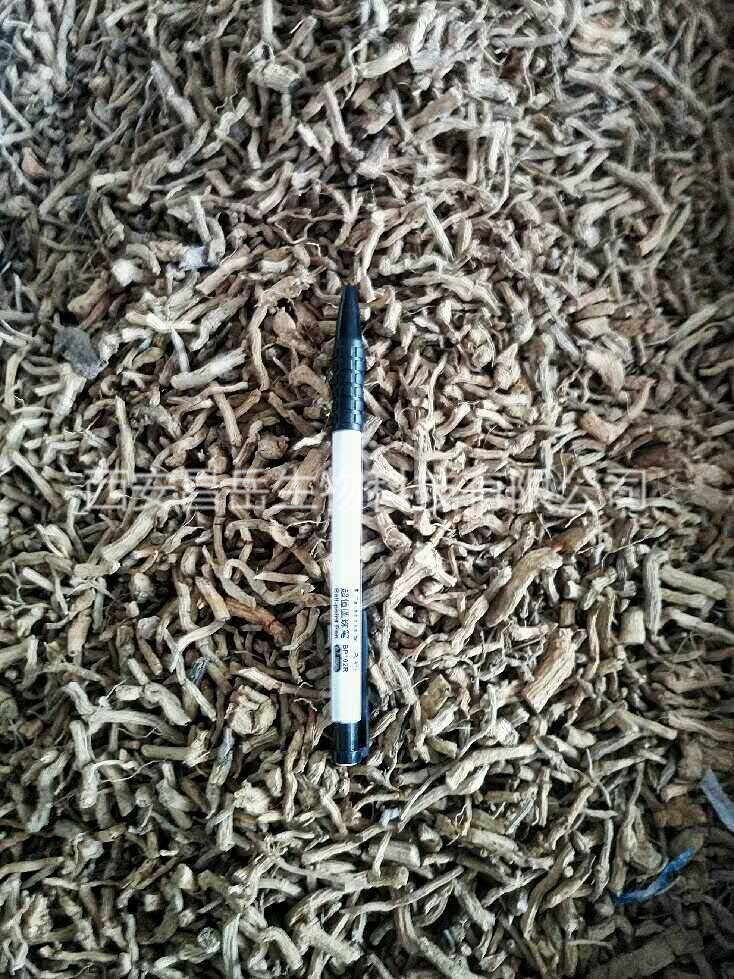
For perennial herb, root conical, khaki.
Stems erect, 30-100 cm tall, much branched, white powder, hydrophobic thin white pilose, broken with a yellow milk.
Taproot stout, conical, yellow or dark brown, densely fibrous root.
Stem erect, much branched, white powder, with a thin white villous.
AI Product Description
*The following content is generated by AI and is for reference only.
Celandine, often referred to in botanical contexts as *Chelidonium majus* or Greater Celandine, is a perennial herbaceous plant native to Europe and Asia. While the phrase "Celandine all grass" is not a standard commercial product name with a single defined molecular formula or CAS number, it likely refers to extracts derived from the whole plant or its primary active alkaloids. The plant contains several isoquinoline alkaloids, with chelidonine, sanguinarine, chelerythrine, and protopine being the most prominent. These compounds do not share a single molecular formula; for instance, chelidonine has the formula C20H19NO5, while sanguinarine is C17H14NO4+. Consequently, no unique CAS number exists for "all grass," though specific alkaloids have distinct identifiers, such as 685-35-2 for chelidonine.
Historically, Greater Celandine has been utilized in traditional medicine for centuries, particularly for treating skin ailments, liver disorders, and digestive issues. Its latex, which is bright orange-red, possesses strong antispasmodic, analgesic, and antimicrobial properties. In modern applications, standardized extracts are sometimes employed in dermatological formulations to address warts, corns, and various inflammatory skin conditions due to their keratolytic effects. Additionally, research continues into the potential anticancer properties of its alkaloids, specifically their ability to induce apoptosis in certain cell lines. However, the plant is also toxic if ingested in large quantities, causing liver damage and gastrointestinal distress. Therefore, products containing celandine extracts must be used with caution and under professional supervision. Commercial availability varies by region, often found in herbal tinctures, ointments, or dried herb preparations rather than as a purified chemical commodity. Regulatory bodies like the EMA classify it as a traditional herbal medicinal product for specific minor indications. Due to the complexity of its phytochemical profile, quality control relies on quantifying key alkaloid markers rather than a single molecular specification. Users should always verify the source and concentration of active ingredients before therapeutic use.




 (All Rights Reserved)