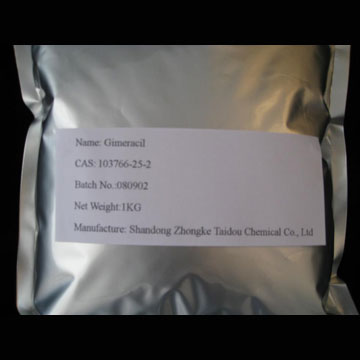
Product Description
For the treatment of respiratory tract, urinary tract and gastrointestinal infection, infection of department of gynaecology, peritoneal infection, skin and soft tissue, and orthopaedic surgical infection
AI Product Description
*The following content is generated by AI and is for reference only.
Cefazedone Sodium Sterile is a potent, broad-spectrum parenteral antibiotic belonging to the cephalosporin class of beta-lactam agents. Specifically designed for intravenous or intramuscular administration, this sterile sodium salt formulation ensures rapid and predictable systemic absorption, making it a critical tool in managing severe bacterial infections where oral therapy is insufficient or contraindicated. The chemical structure features a characteristic 7-aminocephalosporanic acid core substituted with specific side chains that enhance its stability against various bacterial beta-lactamases, thereby extending its antimicrobial spectrum compared to earlier-generation cephalosporins.
The molecular formula of Cefazedone Sodium is typically represented as C16H15N8NaO7S3, reflecting its complex composition which includes sulfur atoms essential for its biological activity. While specific CAS registry numbers can vary slightly depending on the exact stereochemical configuration and manufacturer documentation, it is generally associated with identifiers used for third-generation cephalosporin derivatives in global pharmacopeias. This medication exhibits high efficacy against a wide array of Gram-negative organisms, including *Escherichia coli*, *Klebsiella pneumoniae*, *Proteus mirabilis*, and *Haemophilus influenzae*. It also maintains significant activity against many Gram-positive bacteria, though its primary clinical advantage lies in treating resistant Gram-negative pathogens.
Clinically, Cefazedone Sodium Sterile is indicated for the treatment of serious infections such as pneumonia, septicemia, meningitis, complicated urinary tract infections, intra-abdominal infections, and gynecological infections. Its ability to penetrate well into tissues and body fluids, including the cerebrospinal fluid in cases of inflammation, allows for effective management of deep-seated infections. As a sterile powder intended for reconstitution prior to use, it must be handled under strict aseptic conditions to prevent contamination. Patients receiving this therapy require monitoring for potential hypersensitivity reactions, particularly those with a history of penicillin allergy, due to the risk of cross-reactivity. Furthermore, renal function should be assessed in patients with compromised kidney health, as dosage adjustments may be necessary to prevent drug accumulation. By inhibiting bacterial cell wall synthesis through binding to penicillin-binding proteins, Cefazedone effectively halts bacterial growth and proliferation, offering a reliable therapeutic solution in modern hospital settings for combating multidrug-resistant infections.




 (All Rights Reserved)