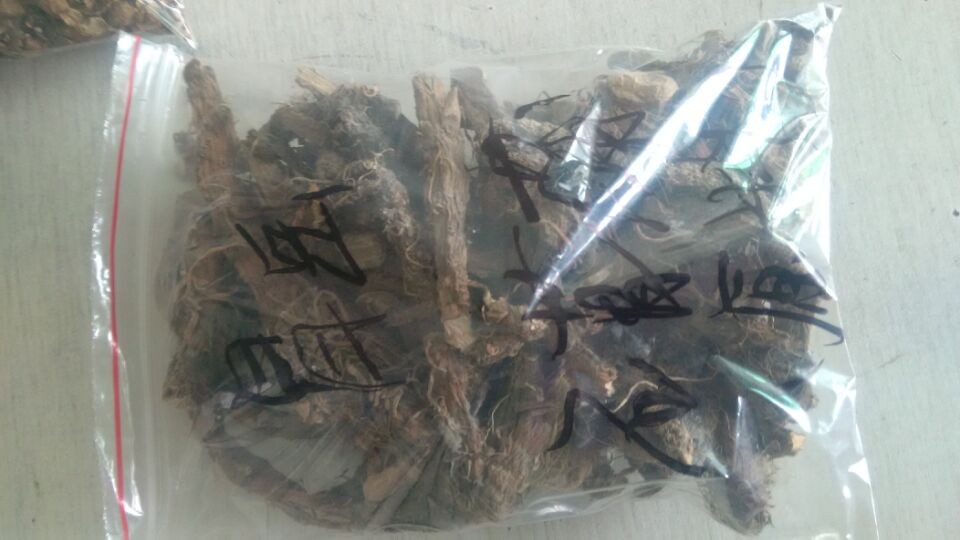
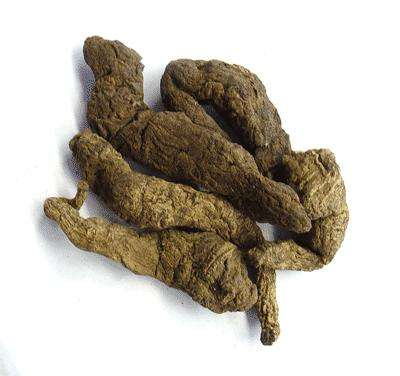
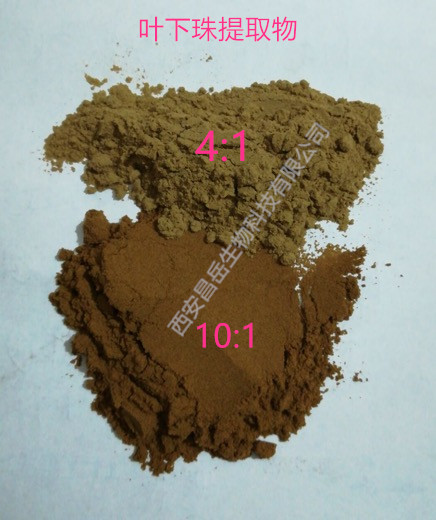
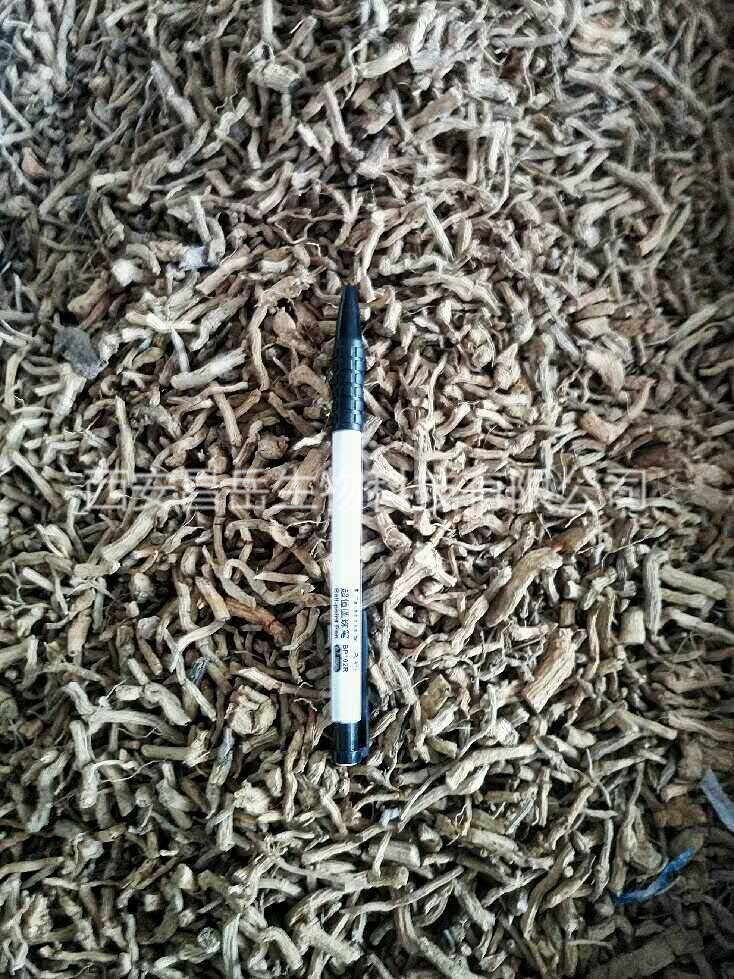
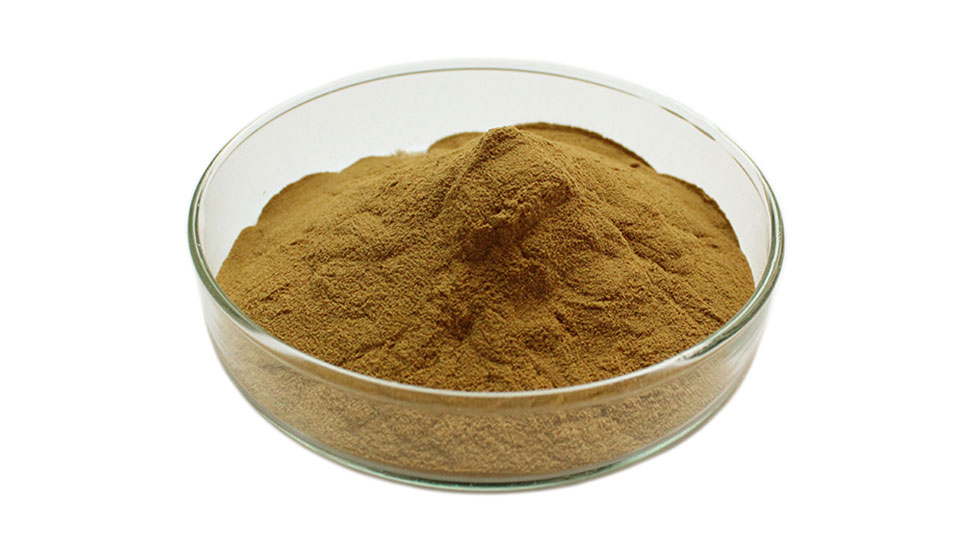
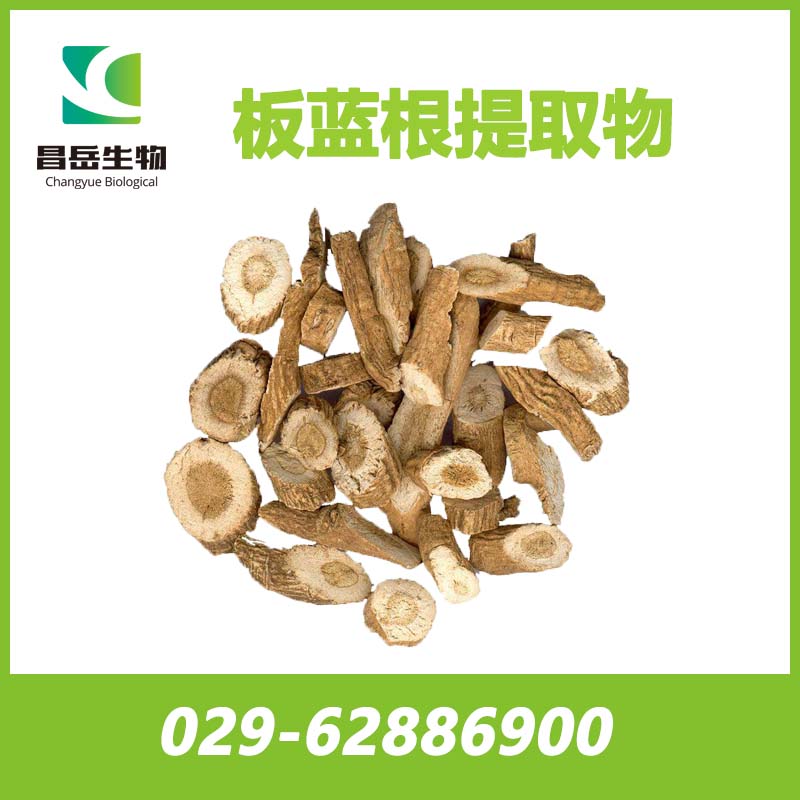
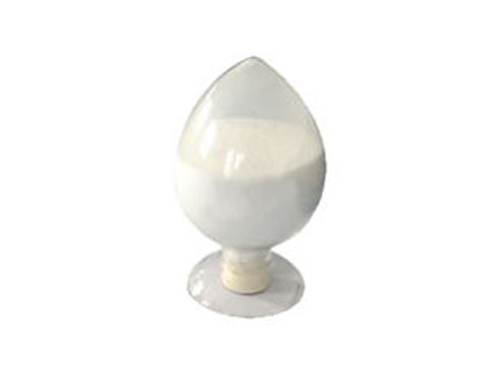
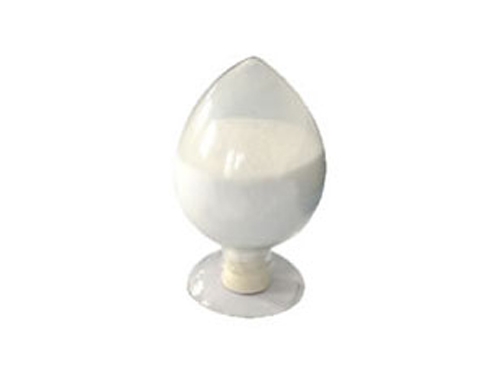
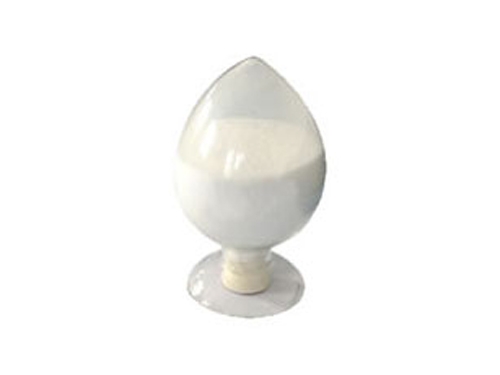
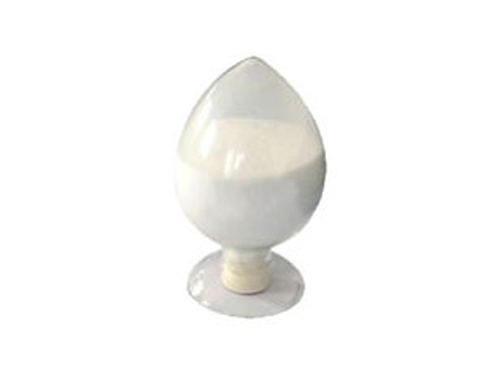
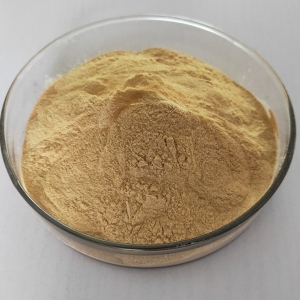
Caulis spatholobi extract for leguminous plants of the genus densely brown rice densely brown rice Spatholobus suberectus Dunn's dry stem extract.
With blood and blood, relaxes the muscles active role.
Used for menstrual disorders, blood deficiency chlorosis, numbness paralysis, rheumatic pain, etc.
*The following content is generated by AI and is for reference only.
Caulis Spatholobus Extract is a bioactive phytochemical preparation derived from the dried stems of *Spatholobus suberectus* Dunn, a vine widely utilized in traditional Chinese medicine (TCM) under the name "Ji Xue Teng." Unlike simple chemical compounds with a single defined molecular formula or CAS number, this extract represents a complex mixture of various secondary metabolites. Consequently, it does not possess a singular CAS registry; instead, its major active constituents are individually cataloged. Key components include flavonoids such as quercetin and kaempferol derivatives, phenolic acids, and specific triterpenoids like spatholoboside. The precise chemical profile varies significantly depending on the extraction solvent, plant origin, and processing methods employed by manufacturers.
The primary therapeutic application of Caulis Spatholobus Extract centers on its potent hemostatic and blood-activating properties. In clinical practice, it is extensively prescribed to treat conditions characterized by blood stasis and Qi deficiency. It effectively promotes microcirculation, aids in the recovery of damaged nerve tissues, and accelerates wound healing. Modern pharmacological studies have highlighted its antioxidant capacity, which helps neutralize free radicals and reduces oxidative stress within the body. Furthermore, the extract demonstrates anti-inflammatory effects, making it valuable for managing rheumatic arthritis and joint pain associated with poor circulation.
In the pharmaceutical and nutraceutical industries, this extract serves as a crucial raw material for formulations targeting cardiovascular health and neurological repair. It is commonly found in tablets, capsules, and injectable solutions designed to improve blood flow after ischemic events or strokes. Additionally, due to its rich content of natural antioxidants, it is increasingly incorporated into cosmetic products aimed at skin rejuvenation and reducing signs of aging. While generally considered safe when used according to established guidelines, dosage must be carefully managed to avoid potential interactions with anticoagulant medications. As research continues, the multifaceted benefits of this traditional herb are being validated through modern scientific methodologies, solidifying its role as a bridge between ancient wisdom and contemporary healthcare solutions.




 (All Rights Reserved)