Product Description
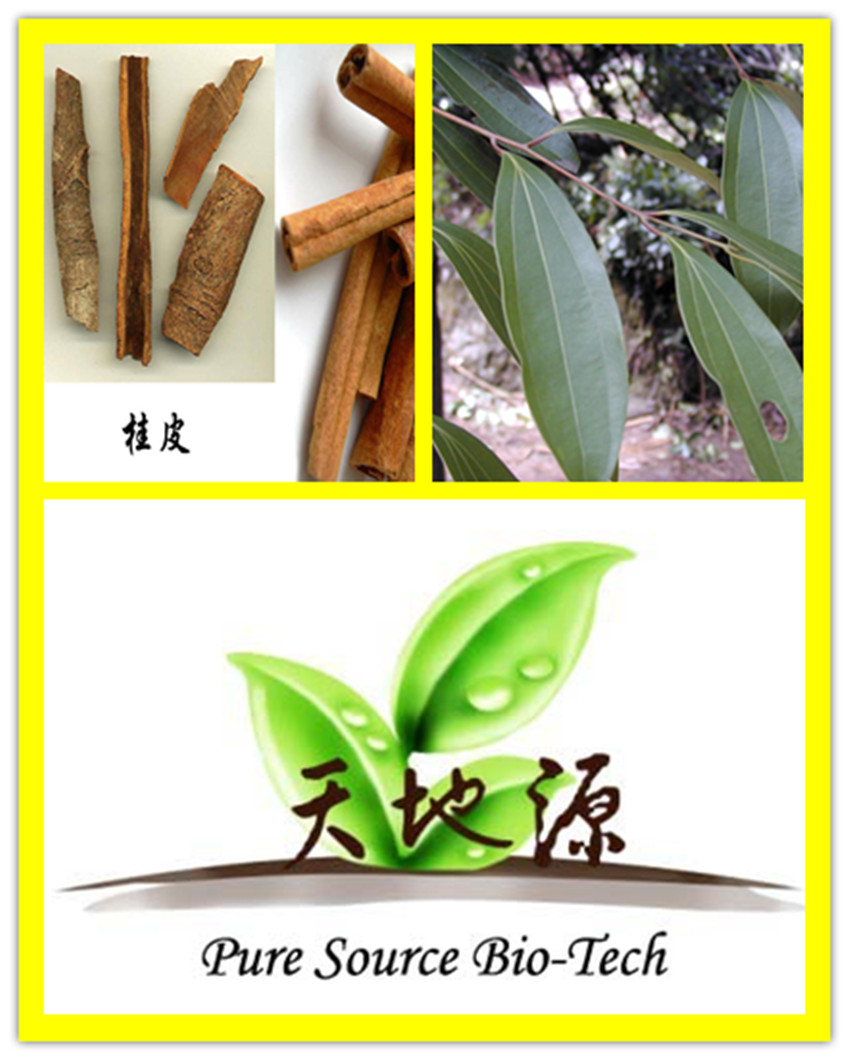
Botanical Source: Cinnamomum cassia Presl
Product Specification: 5:1, 10:1, 15:1, 20:1 ,Polyphenols 10%-40% UV,Cinnamon Flavones 10%, 20% UV
Part of the plant used : bark
AI Product Description
*The following content is generated by AI and is for reference only.
Cassia bark extractive, derived primarily from the dried bark of *Cinnamomum cassia* (Chinese cinnamon), is a complex natural mixture rich in bioactive compounds. Unlike pure cinnamaldehyde, which has a specific CAS number (104-55-2), "Cassia bark extractive" refers to a standardized or crude extract containing varying proportions of cinnamaldehyde, eugenol, coumarin, and various polyphenols. Consequently, it does not possess a single, definitive molecular formula; rather, its composition depends on the extraction solvent and process used. The product is generally characterized by its characteristic aromatic odor and warm, spicy flavor profile.
In the global market, this extractive serves diverse industrial applications. In the food and beverage sector, it is widely utilized as a natural flavoring agent to impart a distinct cinnamon taste to confectioneries, baked goods, beverages, and meat products. Its versatility allows manufacturers to replace synthetic spices with a more natural alternative while maintaining cost-effectiveness. Beyond culinary uses, the extractive holds significant potential in the pharmaceutical and nutraceutical industries due to its reported antioxidant, anti-inflammatory, and antimicrobial properties. Traditional medicine systems have long employed cassia bark for digestive health and circulation support, and modern research continues to explore its metabolic benefits, including blood sugar regulation.
Furthermore, the essential oil fraction within the extract is frequently incorporated into personal care formulations, such as soaps, lotions, and cosmetics, providing both fragrance and skin-conditioning benefits. However, users must exercise caution regarding coumarin content, as high levels can pose hepatotoxicity risks if consumed excessively, leading to regulatory restrictions in certain jurisdictions like the European Union. Despite these considerations, Cassia bark extractive remains a vital commodity in the natural ingredient supply chain. It bridges the gap between traditional herbal remedies and modern functional foods, offering a potent source of phenolic compounds that contribute to both sensory enhancement and health promotion. As consumer demand shifts toward clean-label and plant-based solutions, the relevance of this versatile botanical extractive continues to grow across multiple sectors.



 (All Rights Reserved)