Product Description
Feature Products
competitive price with good quality
Product Description
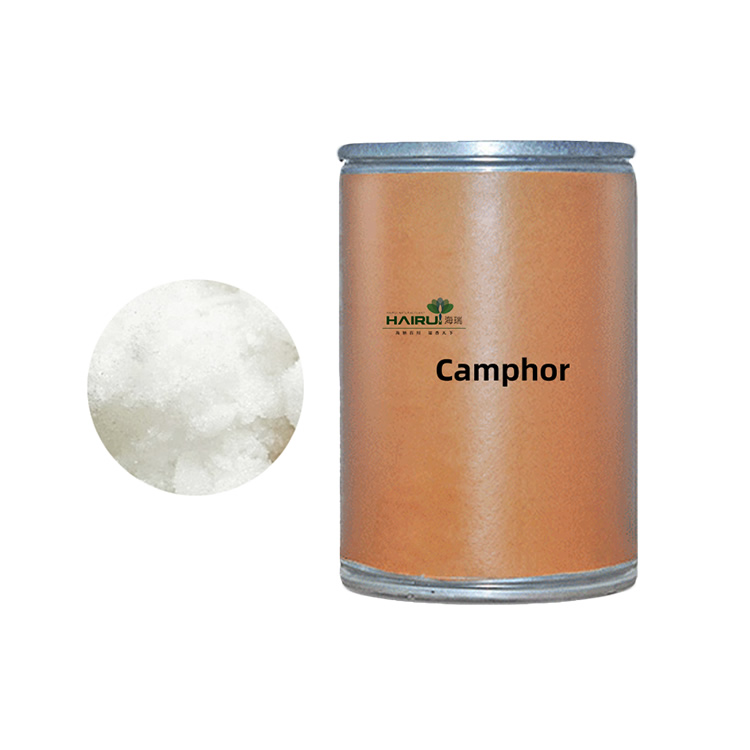
Packaging: 25kg/Carton Box
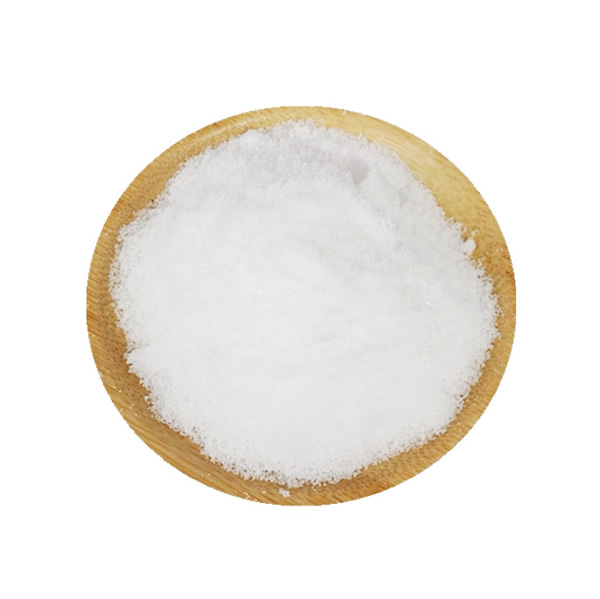
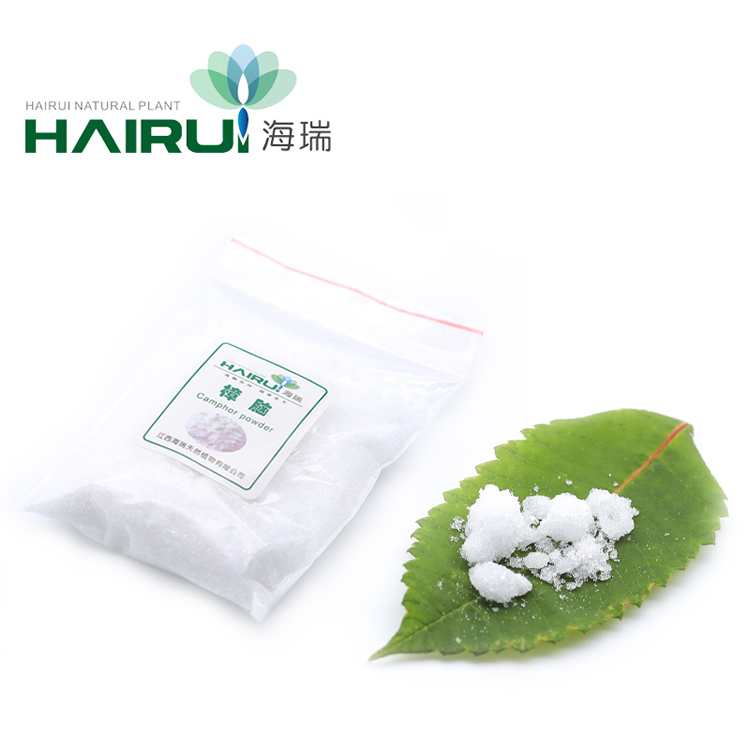
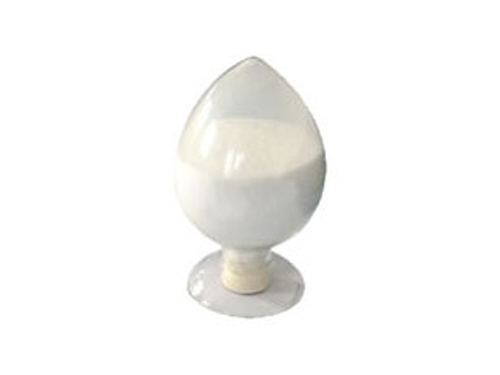
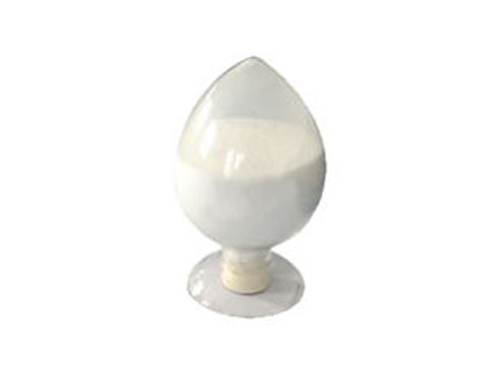
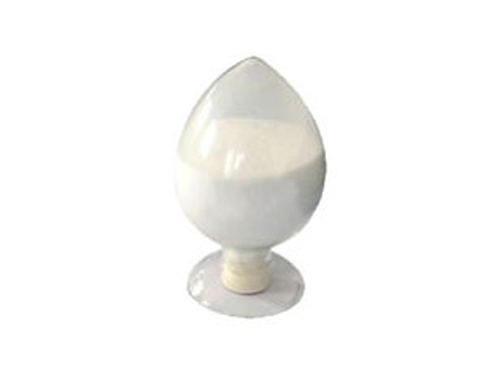
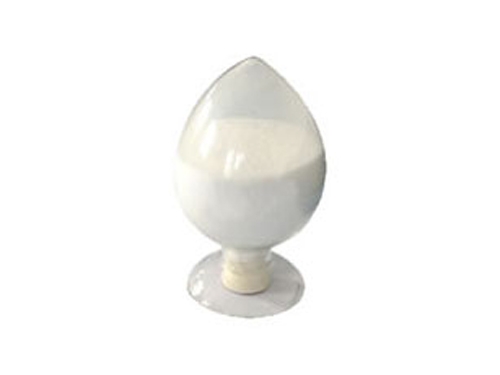
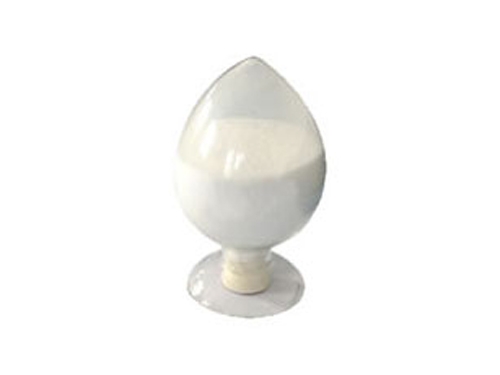
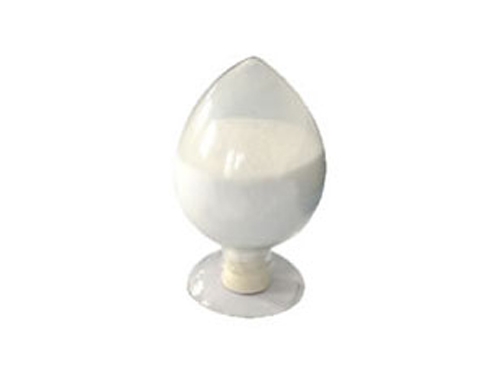
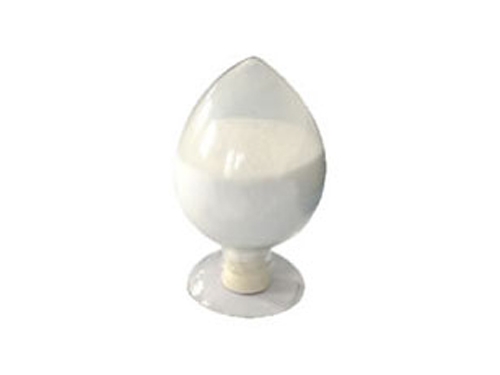
Appearance:Crystal of white powder
Content:96%
Melting Point:179~180
Optical Rotation:-2~ +5
Nonvolatiles:0.05%
Insolubles in alcohol:0.01%
Chlorides:0.035%
AI Product Description
*The following content is generated by AI and is for reference only.
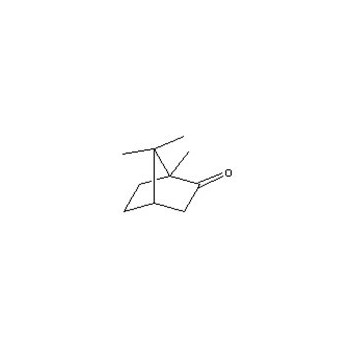
Camphor is a naturally occurring organic compound with the molecular formula C₁₀H₁₆O and a distinct, penetrating aroma. Its Chemical Abstracts Service (CAS) Registry Number is 76-22-2 for the racemic mixture, while specific enantiomers possess different CAS numbers: (+)-camphor is 464-49-3 and (-)-camphor is 76-22-2. Found primarily in the wood of the camphor laurel tree (*Cinnamomum camphora*), this white crystalline solid sublimes readily at room temperature. Historically significant across various cultures, camphor has been utilized for millennia in traditional medicine, religious rituals, and as a preservative.
In modern industry, camphor serves diverse applications ranging from pharmaceuticals to manufacturing. It is a key ingredient in topical analgesics, cough suppressants, and muscle rubs due to its counter-irritant properties, which stimulate blood flow and provide relief from minor aches. The compound acts as a local anesthetic and anti-inflammatory agent when applied externally. Beyond healthcare, it functions as a plasticizer for cellulose nitrate, enhancing the durability of materials like film and lacquer. In the fragrance sector, camphor adds depth to soaps, cosmetics, and perfumes, often blending with eucalyptus or mint notes. Additionally, it is used as a moth repellent in closets and storage areas, protecting fabrics from insect damage.
Safety considerations are paramount when handling camphor. While effective in small doses, ingestion can be toxic, causing nausea, seizures, or even death, particularly in children. Therefore, products containing camphor are strictly regulated regarding concentration and labeling. Industrial synthesis now produces synthetic camphor derived from turpentine oil, ensuring a stable supply independent of natural harvesting. As research continues, new therapeutic potentials are being explored, though its established role remains central in over-the-counter remedies and specialized industrial processes. Whether sourced naturally or synthesized, camphor remains a versatile chemical essential to global health and manufacturing sectors.





 (All Rights Reserved)