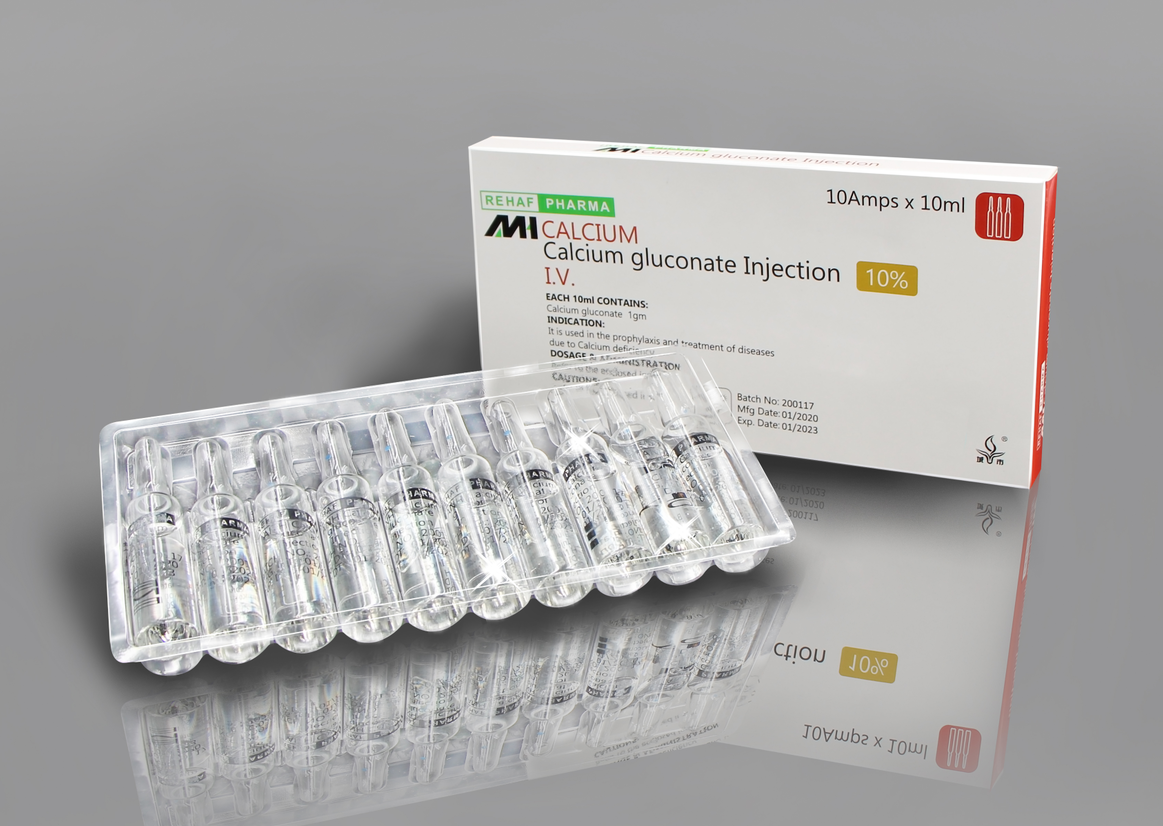
Product Description
Treatment of calcium deficiency, acute hypocalcemia, alkali poisoning and tetany caused by low parathyroid gland function;2. Allergic diseases;3. Magnesium poisoning rescue;4. Relief of fluorosis;5. Application in cardiac resuscitation (such as hyperkalemia or hypocalcemia, or relief of cardiac dysfunction caused by calcium channel block)
AI Product Description
*The following content is generated by AI and is for reference only.
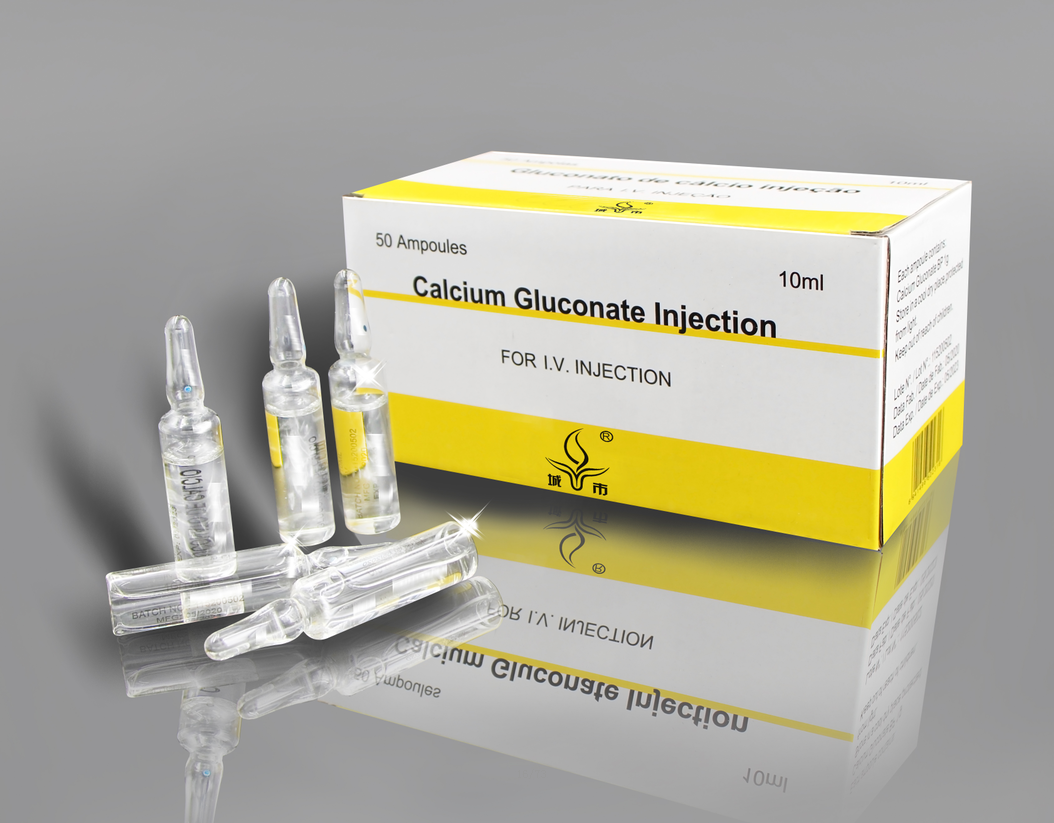
Calcium Chloride Injection is a vital intravenous medication primarily utilized to manage acute hypocalcemia and its associated life-threatening complications. This clear, sterile solution contains calcium chloride as the active ingredient, which rapidly restores serum calcium levels when they drop dangerously low due to conditions such as massive blood transfusions, severe renal failure, or hyperkalemia-induced cardiac instability. Its most critical application lies in emergency settings, where it serves as a first-line treatment for cardiac arrest caused by hyperkalemia or calcium channel blocker overdose. By stabilizing the cardiac membrane, calcium chloride helps restore normal heart rhythm and prevents fatal arrhythmias. Additionally, it is used to treat hypocalcemic tetany, characterized by muscle spasms and seizures, ensuring proper neuromuscular function.
Despite its efficacy, the administration of Calcium Chloride Injection requires strict medical supervision due to significant safety risks. It is highly irritating to tissues; therefore, extravasation (leakage into surrounding tissue) can cause severe necrosis and tissue damage. For this reason, it is generally recommended to administer the drug through a large central vein rather than a peripheral line whenever possible. If peripheral administration is unavoidable, the site must be monitored closely for signs of irritation. Rapid injection can lead to bradycardia, hypotension, and vasodilation, potentially resulting in cardiac arrest. Consequently, the infusion rate must be carefully controlled, typically not exceeding 1 to 2 mL per minute unless in a true emergency situation under continuous cardiac monitoring.
Patients with known hypersensitivity to calcium salts should not receive this medication. Furthermore, caution is advised in individuals with hypercalcemia, ventricular fibrillation, or those taking digitalis glycosides, as calcium can potentiate digitalis toxicity and trigger dangerous cardiac rhythms. Interactions with other medications, particularly thiazide diuretics which reduce calcium excretion, may also elevate serum calcium levels excessively. Healthcare providers must ensure that electrolyte imbalances are corrected before initiating therapy to avoid adverse events. In summary, while Calcium Chloride Injection is an indispensable tool for reversing critical electrolyte disturbances and stabilizing cardiac function, its use demands precise dosing, careful route selection, and vigilant patient monitoring to mitigate potential complications and ensure therapeutic success.



 (All Rights Reserved)