Product Description
please call me ,to know more
AI Product Description
*The following content is generated by AI and is for reference only.
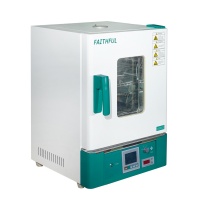
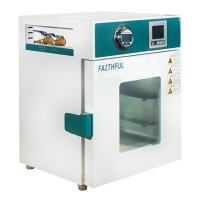
Calcium bicarbonate drying equipment is a specialized industrial system designed to process unstable calcium bicarbonate solutions into stable solid forms or intermediate products for further chemical utilization. Unlike common salts, calcium bicarbonate exists primarily in aqueous solutions and decomposes rapidly when exposed to heat or pressure changes, releasing carbon dioxide and forming insoluble calcium carbonate. Consequently, this equipment operates under precise low-temperature vacuum conditions to gently remove water without triggering premature decomposition. The primary application lies in water treatment facilities, where it helps manage hardness levels, and in the pharmaceutical and food industries as a precursor for producing high-purity calcium carbonate powders used in antacids, dietary supplements, and agricultural soil conditioners.
The operational mechanism typically involves multiple stages: initial concentration of the solution, followed by controlled evaporation within a sealed environment that maintains a specific temperature gradient. This ensures the structural integrity of the compound during the transition from liquid to solid state. Safety protocols are paramount due to the volatile nature of the substance. Operators must strictly monitor pressure levels to prevent sudden gas release, which could lead to equipment rupture or hazardous atmospheric conditions. Furthermore, the system requires corrosion-resistant materials, such as stainless steel grades 316L or titanium, because calcium bicarbonate solutions can be mildly acidic and aggressive toward standard metals.
Regular maintenance is critical to ensure efficiency and safety. Filters and seals should be inspected frequently for clogging or wear, as blockages can disrupt the delicate vacuum balance. Additionally, ventilation systems must be functional to safely vent any accidental CO2 emissions. Training personnel on emergency shutdown procedures is essential, given the potential for rapid pressure fluctuations. Ultimately, this technology enables the safe handling of a chemically sensitive material, bridging the gap between natural water chemistry and industrial manufacturing needs while minimizing waste and maximizing product purity.






 (All Rights Reserved)