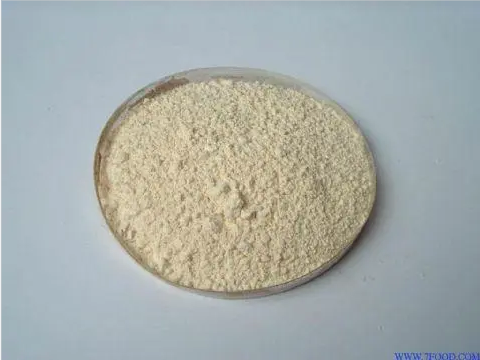
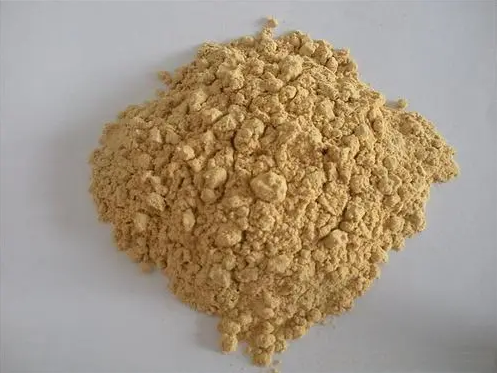
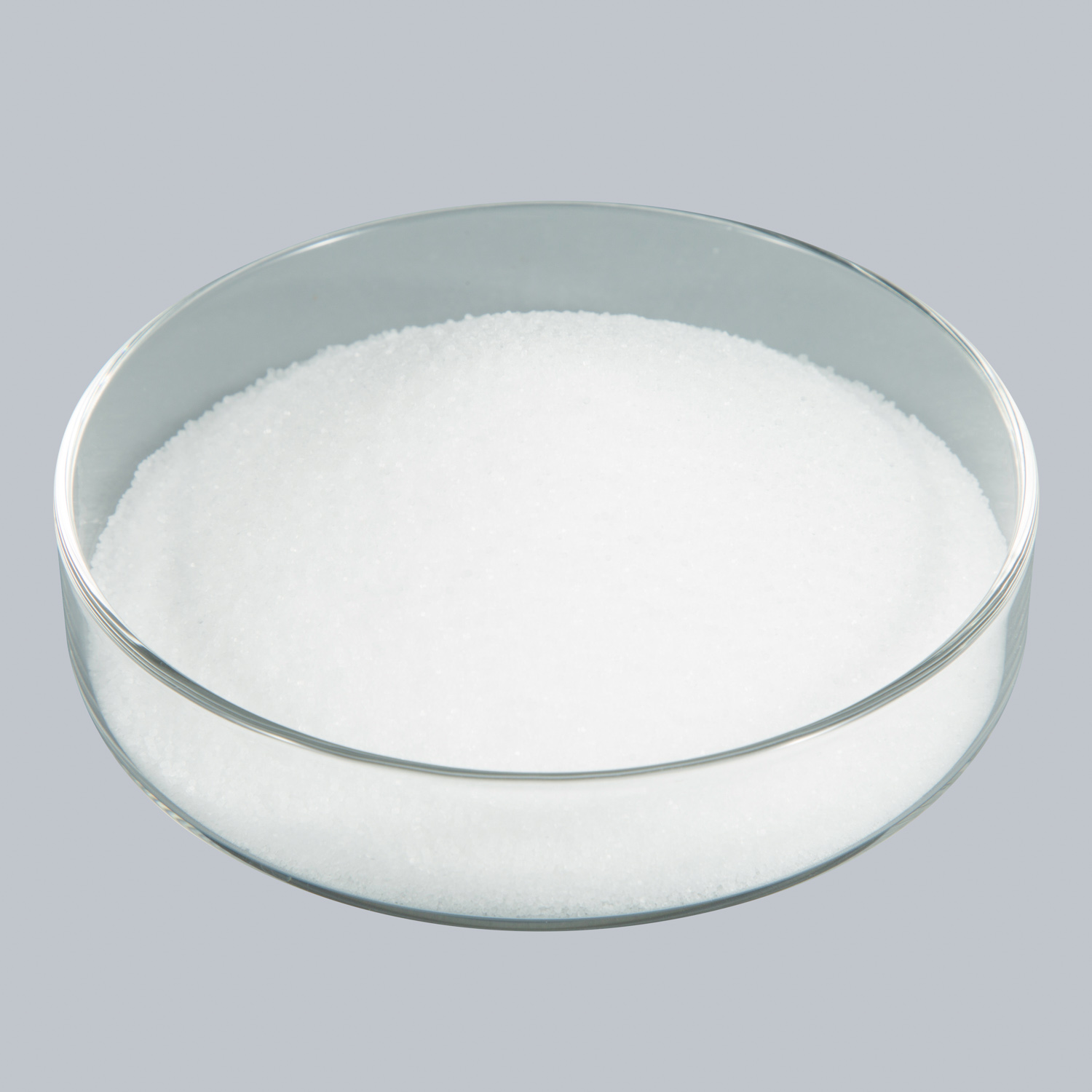
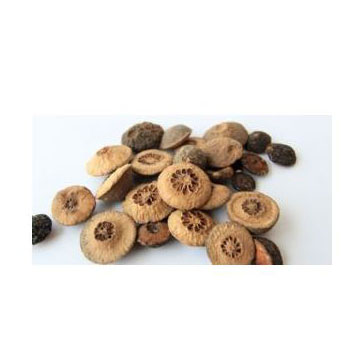
Product Description
please call me ,to know more
AI Product Description
*The following content is generated by AI and is for reference only.
Byakangelicin, chemically known as 2,3-dimethylbut-2-enyl angelate or 2,3-dimethylbut-2-enyl (Z)-2-methylbut-2-enoate, is a naturally occurring furanocoumarin derivative primarily isolated from the roots of Angelica acutiloba and other species within the Apiaceae family. With the molecular formula C15H18O4 and a molecular weight of approximately 262.30 g/mol, this compound features a distinctive structure combining a coumarin core with a specific alkenyl side chain. Its CAS registry number is 20987-09-7, which serves as its unique identifier in chemical databases for research and regulatory compliance.
In the realm of pharmacological research, Byakangelicin has garnered significant attention due to its diverse biological activities. Studies suggest it possesses potent anti-inflammatory properties by inhibiting key inflammatory mediators such as nitric oxide and prostaglandins. Furthermore, it demonstrates neuroprotective effects, potentially mitigating neuronal damage associated with ischemic stroke by modulating oxidative stress pathways. The compound also exhibits vasodilatory activity, contributing to improved blood circulation, which is a traditional application in herbal medicine systems like Kampo and Traditional Chinese Medicine. Additionally, emerging evidence points toward its potential anti-cancer capabilities, where it may induce apoptosis in certain tumor cell lines without causing severe toxicity to normal cells.
Commercially and academically, Byakangelicin is utilized as a reference standard for quality control in herbal extracts containing Angelica species. It is often employed in analytical chemistry to validate the purity and concentration of natural products. While not currently approved as a standalone pharmaceutical drug in major markets, it remains a critical lead compound for drug discovery programs targeting cardiovascular disorders, neurological conditions, and inflammatory diseases. Researchers continue to investigate its bioavailability and metabolic profile to unlock its full therapeutic potential. As interest in natural bioactive compounds grows, Byakangelicin stands out as a promising molecule bridging traditional herbal knowledge with modern medicinal science, offering hope for novel therapeutic interventions in complex chronic diseases.






 (All Rights Reserved)