Product Description
Product specification : 1%-98%
Detection method :HPLC
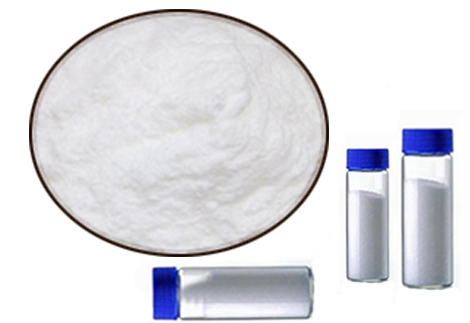
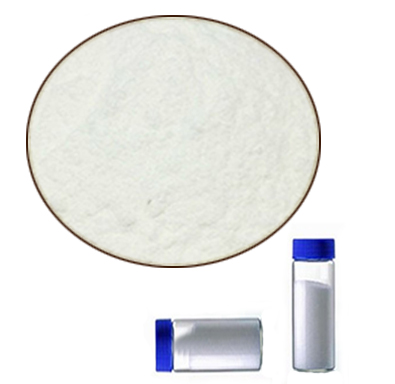
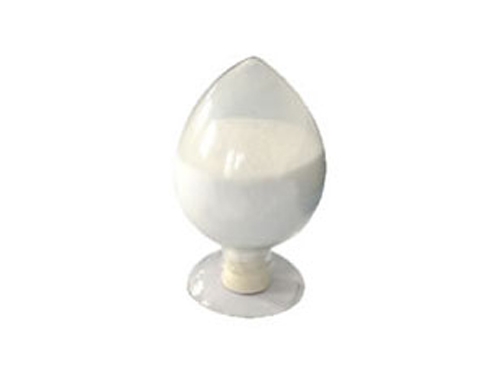
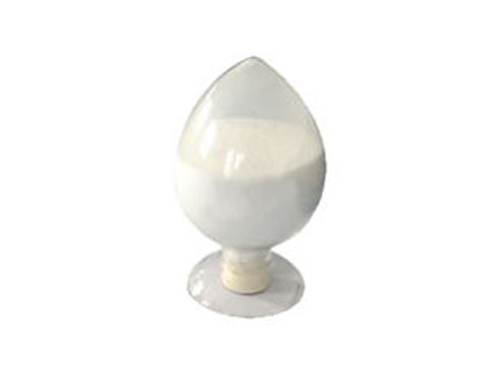
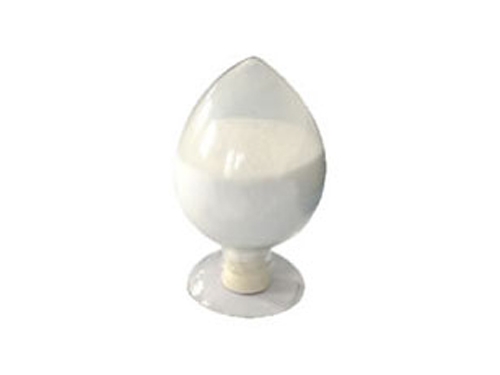
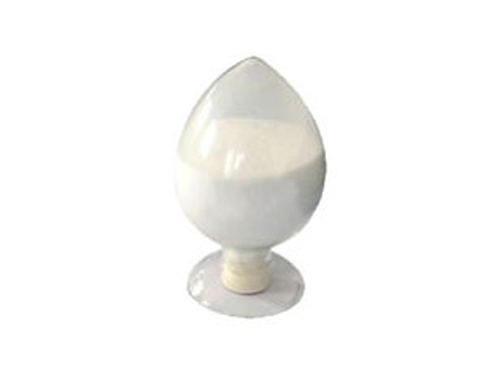
Product color: white
fineness :80-100 mesh Drying method: spray drying
Shelf life: two years
Packaging: Zip-lock bag/aluminum foil bag/carton/cardboard barrel Manufacturer: Changsha Staherb Natural Ingredients Co., LTD.
Storage conditions: cool and dry place
AI Product Description
*The following content is generated by AI and is for reference only.
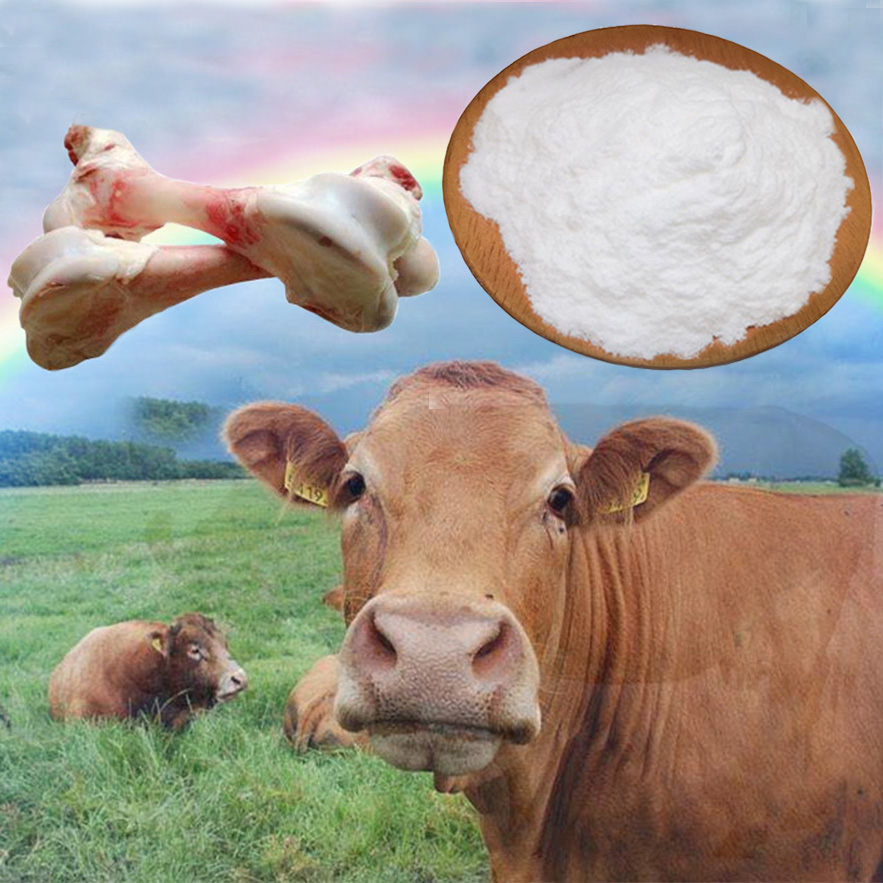
Bovine bone collagen is a high-purity protein derived primarily from the skeletal structures of cattle. It serves as a foundational source for Type I collagen, which constitutes approximately 90% of the organic matrix in human bones and skin. Unlike synthetic alternatives, bovine collagen offers exceptional biocompatibility and bioavailability, making it a preferred ingredient across pharmaceutical, cosmetic, and nutritional industries.
The chemical composition of bovine bone collagen does not adhere to a single, simple molecular formula due to its complex polymeric nature. As a fibrous protein, it consists of repeating amino acid sequences rich in glycine, proline, and hydroxyproline, forming a triple-helix structure. Consequently, there is no specific CAS number assigned to "bovine bone collagen" as a raw material because it is a natural extract rather than a defined small molecule; however, specific processed forms or derivatives may carry distinct registration numbers depending on their purity and modification state. For instance, hydrolyzed bovine collagen peptides often have unique identifiers based on their degree of hydrolysis.
In terms of applications, the versatility of this product is extensive. In the food and dietary supplement sectors, it is widely utilized to support joint health, improve skin elasticity, and promote hair strength. Consumers ingest collagen peptides to stimulate endogenous collagen production, aiding in the reduction of wrinkles and the alleviation of osteoarthritis symptoms. The pharmaceutical industry leverages bovine collagen for wound healing dressings, tissue engineering scaffolds, and drug delivery systems due to its excellent gel-forming properties and ability to integrate with biological tissues. Furthermore, in cosmetics, it acts as a key moisturizing agent and film-former in creams, serums, and masks, enhancing skin hydration and firmness. Its safety profile is well-established, provided it undergoes rigorous processing to eliminate potential pathogens, ensuring it meets global regulatory standards for human consumption and topical application. This natural biomaterial remains indispensable in modern regenerative medicine and wellness markets.





 (All Rights Reserved)