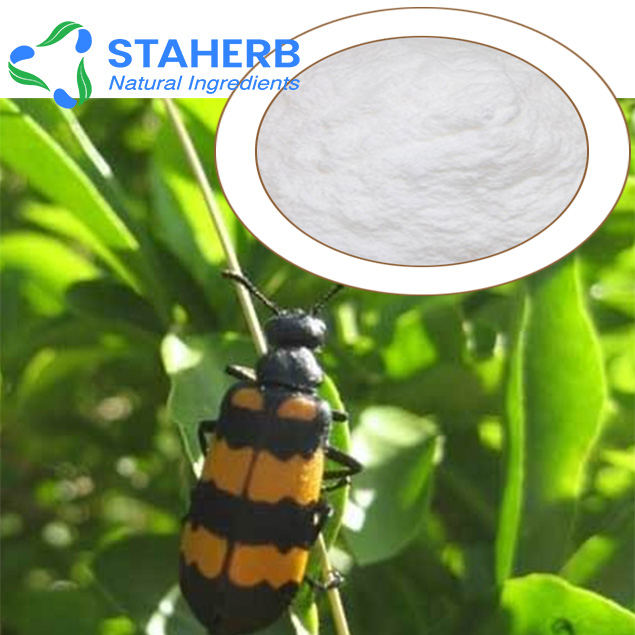
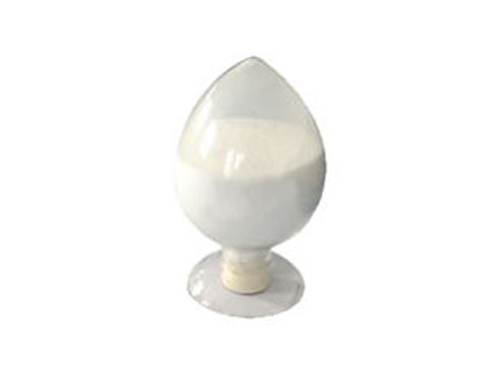
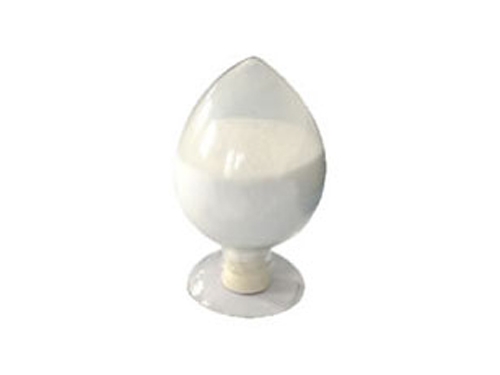
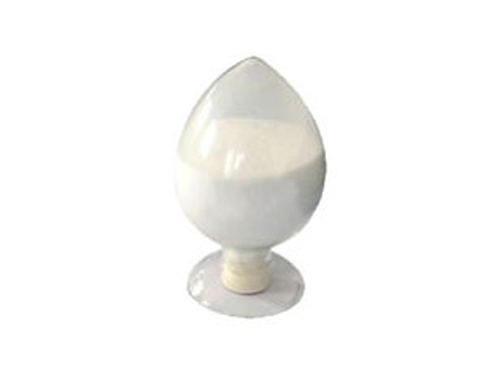
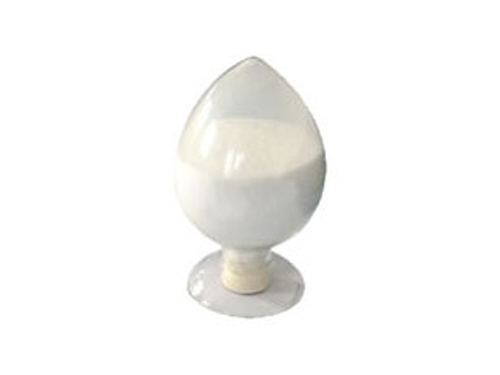
Product specification :10:1 20:1
Detection method :TLC
Extract part: leaf
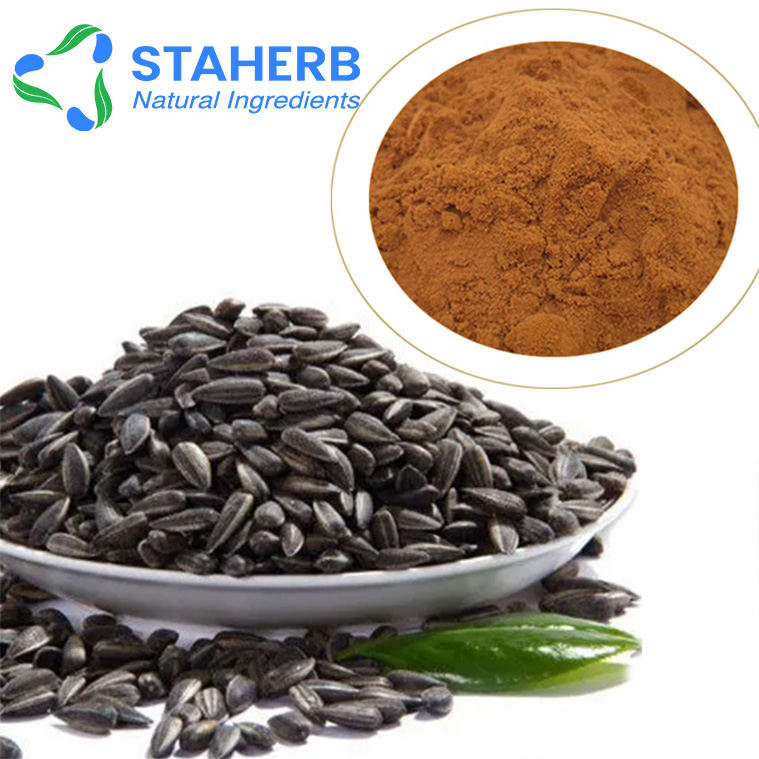
Product color: Yellow Brown powder
fineness :80-100 mesh Drying method: spray drying
Shelf life: two years
Packaging: Zip-lock bag/aluminum foil bag/carton/cardboard barrel Manufacturer: Changsha Staherb Natural Ingredients Co., LTD.
Storage conditions: cool and dry place
*The following content is generated by AI and is for reference only.
Black Melon Seed Extract, often marketed under variations like Black Melon Seed PE (Phytochemical Extract), is a specialized botanical ingredient derived from the seeds of *Citrullus lanatus* var. *citroides*, commonly known as the watermelon or black melon. While specific commercial formulations may vary, this extract is primarily valued for its rich profile of bioactive compounds, including cucurbitacins, flavonoids, and essential fatty acids. Unlike standard food-grade extracts, the "PE" designation frequently implies a concentrated phytochemical preparation used in high-value cosmetic and pharmaceutical applications.
The exact molecular formula and CAS number for "Black Melon Seed Extract" are not standardized to a single chemical entity because it is a complex mixture rather than a pure compound. Consequently, regulatory databases typically do not assign a unique CAS number to the raw extract itself; instead, individual constituents within the mixture possess their own distinct identifiers. For instance, specific cucurbitacins found in the seeds have separate CAS numbers. However, suppliers often provide batch-specific certificates of analysis detailing the concentration of active markers such as triterpenoids or phenolic content.
In terms of application, Black Melon Seed Extract is predominantly utilized in the cosmetics industry for its potent antioxidant and anti-inflammatory properties. It helps protect skin cells from oxidative stress caused by UV radiation and environmental pollutants, thereby supporting skin barrier function and reducing signs of aging. Additionally, its moisturizing capabilities make it suitable for hydrating skincare formulations. In the nutraceutical sector, the extract is explored for its potential metabolic benefits, though clinical data remains less extensive compared to other seed extracts. The product is generally processed using solvent extraction or supercritical CO2 methods to ensure high purity and preservation of thermolabile compounds. Users should verify supplier specifications for exact composition, as the efficacy depends heavily on the extraction technique and the origin of the seeds. This versatile ingredient represents a growing trend toward natural, plant-based solutions for dermatological health and wellness maintenance.





 (All Rights Reserved)