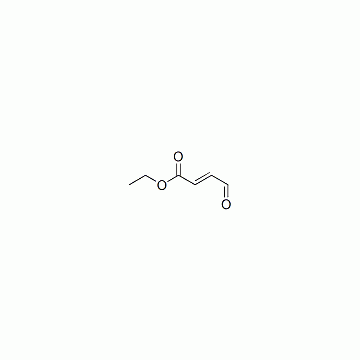
Product Description
pharmaceutical intermediates
AI Product Description
*The following content is generated by AI and is for reference only.
Bis(2-chloroethoxy)methane, also known as 1,1-bis(chloromethoxy)ethane or dichloromethyl bis(2-chloroethyl) ether, is a specialized organic compound primarily utilized in advanced chemical synthesis and industrial applications. Its molecular formula is C6H12Cl2O2, reflecting a structure where a central methylene group bridges two 2-chloroethoxy moieties. The Chemical Abstracts Service (CAS) Registry Number for this substance is 3085-98-5. This colorless to pale yellow liquid possesses distinct solubility characteristics, making it an effective intermediate in the production of pharmaceuticals, agrochemicals, and high-performance polymers.
In the pharmaceutical sector, bis(2-chloroethoxy)methane serves as a critical building block for synthesizing complex heterocyclic compounds and specific drug candidates. Its unique reactivity allows chemists to introduce necessary functional groups during multi-step synthesis pathways, facilitating the creation of molecules with potent biological activities. Furthermore, the compound finds significant application in the development of specialty solvents and resin modifiers. It is often employed to enhance the cross-linking density and thermal stability of polymer matrices used in coatings, adhesives, and electronic materials.
Safety protocols are paramount when handling this chemical due to its potential toxicity and reactivity. Like many chlorinated ethers, it may exhibit irritant properties and requires strict adherence to occupational safety standards during storage and processing. Proper ventilation, personal protective equipment, and containment measures are essential to mitigate exposure risks. The compound is typically stored in cool, dry environments away from incompatible substances such as strong oxidizers and bases to prevent decomposition or hazardous reactions. While not a bulk commodity chemical, its niche utility in fine chemistry underscores its value in research and development laboratories focused on creating next-generation materials and therapeutic agents. Regulatory compliance regarding its manufacture, transport, and disposal must be strictly observed to ensure environmental protection and workplace safety. As industries continue to innovate, bis(2-chloroethoxy)methane remains a vital component in the toolkit of synthetic chemists aiming to solve complex molecular challenges.






 (All Rights Reserved)



![4-[[[[6-[(Diethylamino)methyl]-2-naphthalenylmethoxy]carbonyllaminolbenzoic acid](https://eimg.pharmasources.com/image/20241206/xJCFsdgfMrHzqjtgeOixhGQHgVbKi7kAcoEqemzE.jpg)