We are professional Raw Material Manufacturer, with more than 10 years' experience.
Please contact us for more information and detailed quotation
Email: sales12@sgonekbio.com
Phone/WhatsApp/Wechat: +86 13572550462

*The following content is generated by AI and is for reference only.
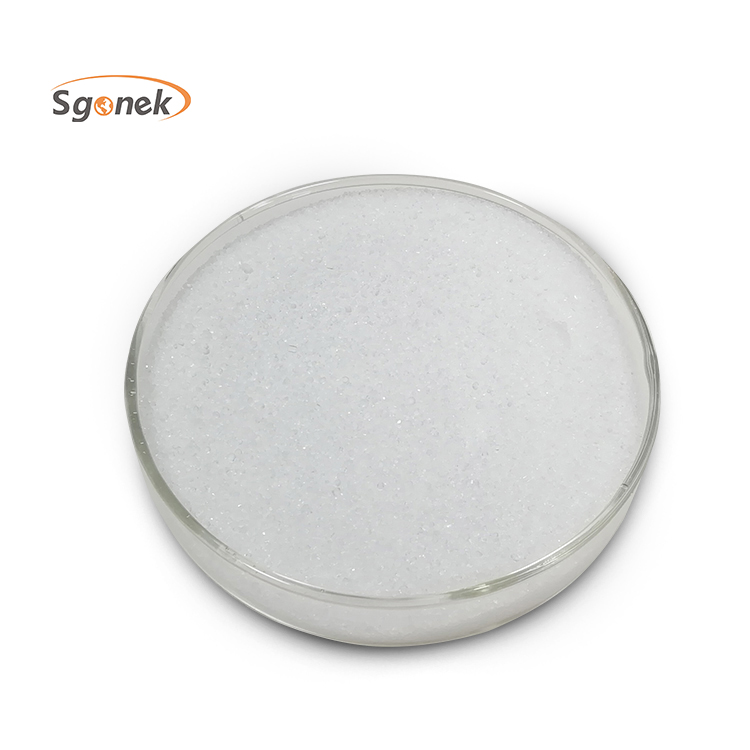
Betulinic acid, a naturally occurring pentacyclic triterpenoid, is primarily isolated from the bark of birch trees (Betula species), as well as various other plants like Syzygium jambos and Lantana camara. With the molecular formula C30H48O3 and CAS number 472-15-1, this compound features a lupane skeleton structure characterized by a carboxylic acid group at position C-28 and a hydroxyl group at position C-3. Its unique chemical architecture underpins its diverse biological activities, making it a subject of intense interest in pharmaceutical research and natural product chemistry.
The most prominent application of betulinic acid lies in its potent anti-cancer properties. Extensive studies have demonstrated its selective cytotoxicity against melanoma cells, including drug-resistant strains, while exhibiting minimal toxicity toward normal human cells. This selectivity is attributed to its ability to induce apoptosis through mitochondrial pathways without triggering necrosis or damaging healthy tissue. Beyond oncology, the molecule displays significant anti-HIV activity by inhibiting viral maturation and replication. Furthermore, emerging research highlights its potential as an anti-inflammatory agent, showing efficacy in reducing oxidative stress and modulating inflammatory cytokines, which suggests utility in treating chronic inflammatory diseases.
In the cosmetic industry, betulinic acid is increasingly valued for its skin-protective capabilities. It serves as a powerful antioxidant that helps neutralize free radicals generated by UV exposure, thereby preventing premature skin aging and photo-damage. Additionally, its antimicrobial and wound-healing properties make it a valuable ingredient in formulations designed to treat acne, eczema, and minor skin injuries. Despite its promising profile, challenges remain regarding its poor water solubility and low bioavailability, prompting ongoing efforts to develop novel delivery systems such as nanoparticles and liposomal encapsulation to enhance therapeutic efficacy. As a versatile natural product, betulinic acid continues to bridge the gap between traditional herbal medicine and modern targeted therapies, offering hope for next-generation treatments across multiple medical disciplines.






 (All Rights Reserved)