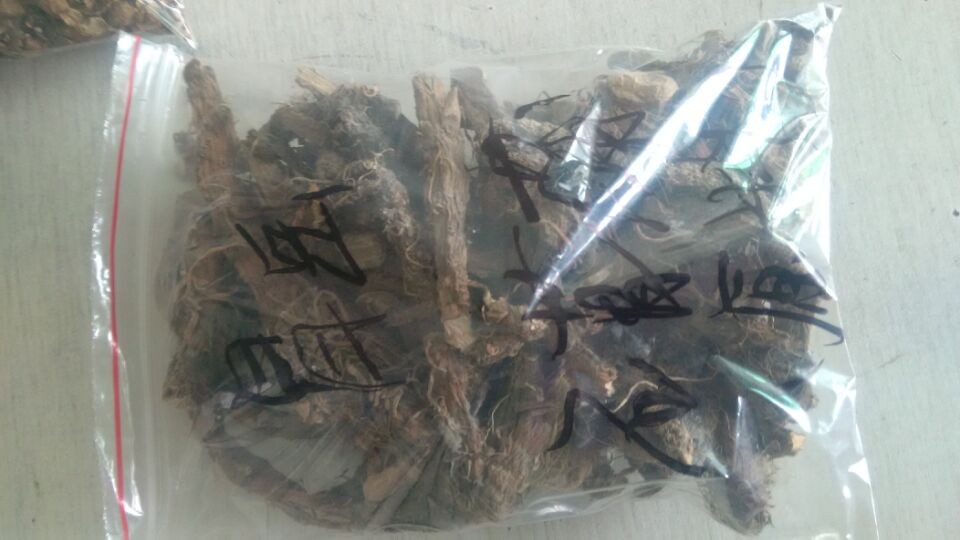
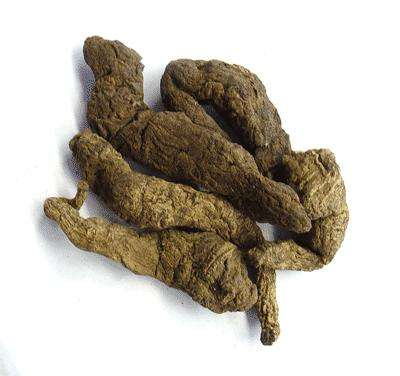
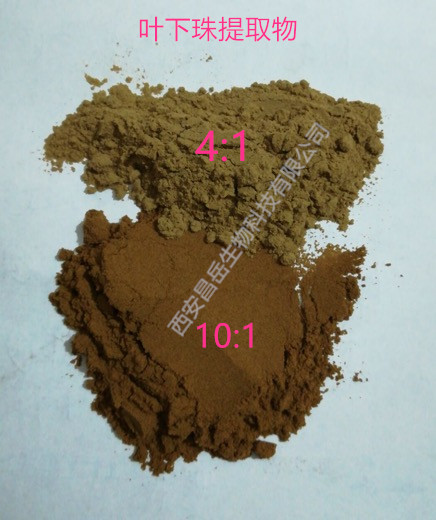
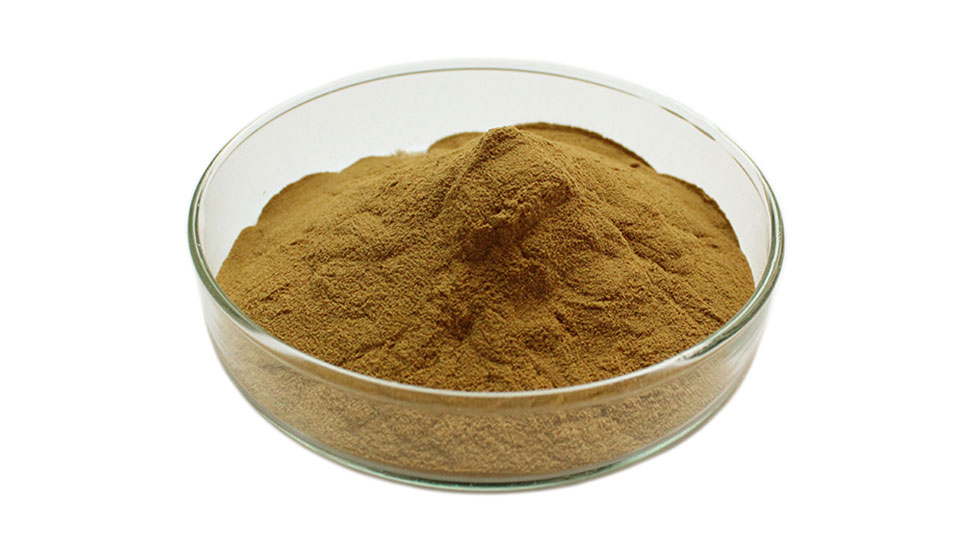
Product Description
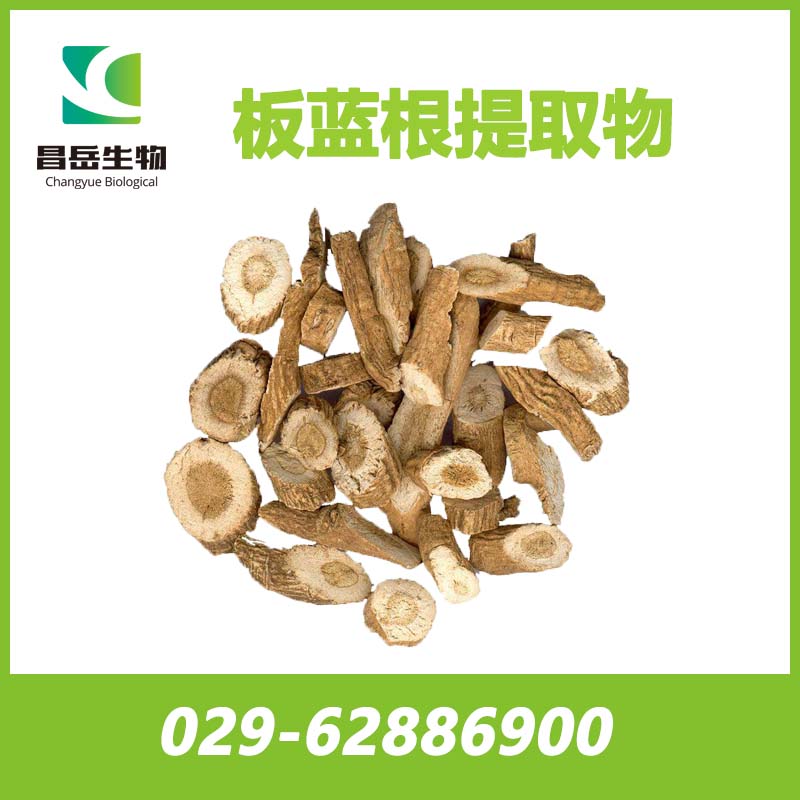
Betaine is widely exists in animals and plants in the body.
In plants, Chinese wolfberry, leguminous plants contains betaine.
Beet molasses is the main source of betaine.
In animals, octopus, cuttlefish, shrimp and other mollusks, and vertebrates (including people) in the liver, spleen and amniotic fluid contains betaine.
AI Product Description
*The following content is generated by AI and is for reference only.
Betaine, chemically known as trimethylglycine, is a naturally occurring quaternary ammonium compound with the molecular formula C5H11NO2 and the CAS number 107-43-7. Found widely in nature within beets, spinach, shellfish, and whole grains, it serves as a vital osmolyte in biological systems, helping cells maintain water balance under stress conditions such as high salinity or temperature fluctuations. In industrial and commercial applications, Betaine has emerged as a versatile ingredient across diverse sectors including animal nutrition, personal care, cosmetics, and food technology.
In the feed industry, Betaine is extensively used as a methyl donor to support liver function and improve growth performance in poultry, swine, and aquaculture species. It enhances nutrient utilization, reduces fat deposition, and improves meat quality by promoting protein synthesis. Its ability to act as an osmoregulator also helps animals cope with heat stress and dehydration, making it indispensable in modern livestock management.
In the cosmetic and personal care sector, Betaine functions as a powerful humectant and skin-conditioning agent. Due to its mildness and compatibility with various skin types, it is commonly incorporated into moisturizers, shampoos, and facial cleansers to hydrate the skin barrier without causing irritation. It helps retain moisture, soothe sensitive skin, and improve product texture and stability. Additionally, Betaine exhibits excellent solubility in water and alcohol, allowing for flexible formulation options in both aqueous and non-aqueous systems.
Beyond these primary uses, Betaine is increasingly recognized for its potential health benefits in human nutrition, where it supports cardiovascular health by regulating homocysteine levels and aiding in methylation processes essential for DNA synthesis and repair. As a natural, non-toxic, and biodegradable compound, Betaine aligns well with growing consumer demand for clean-label and sustainable ingredients. Its multifunctional properties make it a valuable additive not only for enhancing product performance but also for supporting overall wellness and environmental responsibility. With ongoing research expanding its applications, Betaine continues to play a crucial role in advancing formulations across multiple industries while maintaining safety and efficacy standards globally.

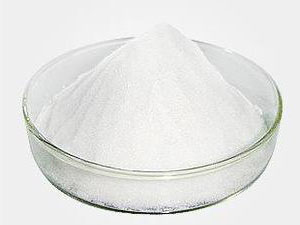



 (All Rights Reserved)