Product Description
Benzocaine BP/USP Pharmaceutical Analgesic ulcer and hemorrhoids made in china 34584
AI Product Description
*The following content is generated by AI and is for reference only.
Benzocaine, chemically known as ethyl 4-aminobenzoate, is a widely utilized local anesthetic and analgesic agent found in various pharmaceutical formulations. Its molecular formula is C₉H₁₁NO₂, and it carries the CAS Registry Number 94-09-7. Manufactured to meet rigorous standards such as BP (British Pharmacopoeia) and USP (United States Pharmacopeia), this compound is produced by reputable facilities in China for global distribution. Benzocaine functions by blocking voltage-gated sodium channels on nerve membranes, thereby inhibiting the initiation and conduction of nerve impulses, which results in temporary relief from pain and itching without causing systemic anesthesia when applied topically.
The primary applications of Benzocaine include the treatment of minor skin irritations, mouth sores, toothaches, sore throats, and hemorrhoidal discomfort. It is commonly formulated into ointments, creams, gels, lozenges, sprays, and suppositories. For oral use, it provides rapid relief for teething infants or adults suffering from canker sores and gum inflammation. In dermatological contexts, it alleviates symptoms associated with sunburn, insect bites, poison ivy, and minor cuts. Additionally, its efficacy in managing hemorrhoid pain makes it a staple ingredient in over-the-counter rectal preparations. The drug is generally well-tolerated, though hypersensitivity reactions, including contact dermatitis or methemoglobinemia in rare cases, necessitate careful adherence to dosage instructions.
As a generic pharmaceutical product, Benzocaine remains a cost-effective solution for managing acute pain. Its stability and solubility profile allow for versatile formulation development. While it does not treat the underlying cause of the condition, it offers significant symptomatic relief, improving patient comfort during recovery. Users should avoid applying large quantities or using it on broken skin extensively without medical supervision. Overall, Benzocaine continues to be a cornerstone in topical analgesics, valued for its rapid onset and safety profile when used appropriately according to regulatory guidelines.

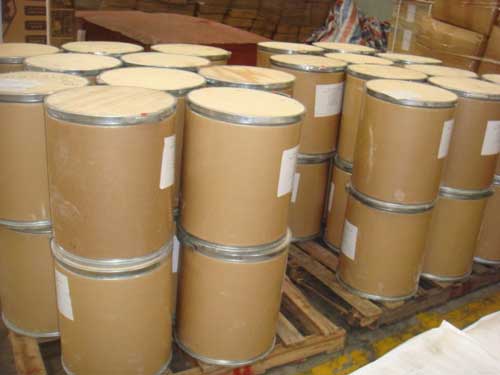




 (All Rights Reserved)



![(3R)-3-Amino-1-[3-(Trifluoromethyl)-5,6,7,8-Tetrahydro-1,2,4-Triazolo[4,3-A]Pyrazin-7-yl]-4-(2,4,5-T](https://eimg.pharmasources.com/image/product/20250402/e43f5153f3b91f760fdee40247460568jpg)

![3-(Trifluoromethyl)-5,6,7,8-Tetrahydro-[1,2,4]Triazolo[4,3-a]Pyrazine HCL](https://eimg.pharmasources.com/image/product/20250402/8ae4dd18f1fe219e41ad63ce9b3306d7jpg)


![4-[[[[6-[(Diethylamino)methyl]-2-naphthalenylmethoxy]carbonyllaminolbenzoic acid](https://eimg.pharmasources.com/image/20241206/xJCFsdgfMrHzqjtgeOixhGQHgVbKi7kAcoEqemzE.jpg)
