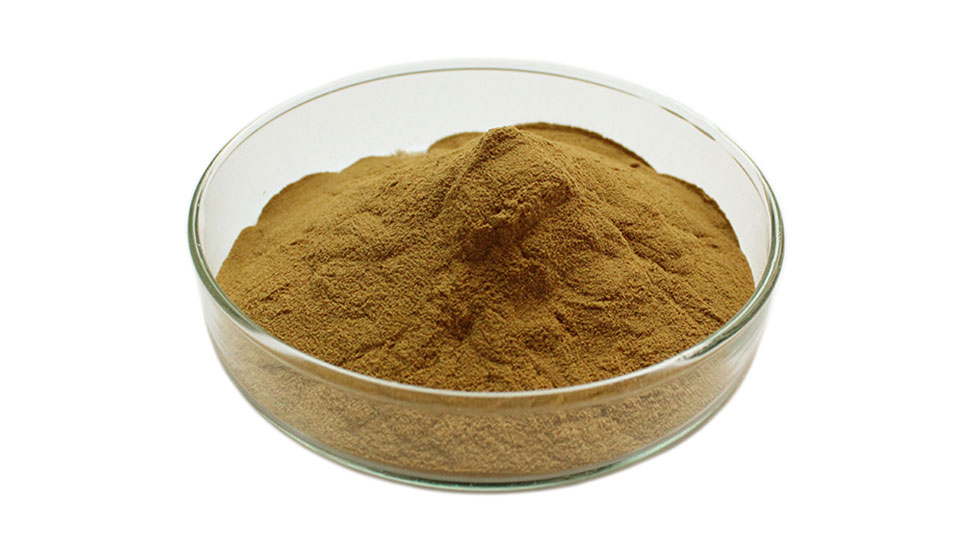
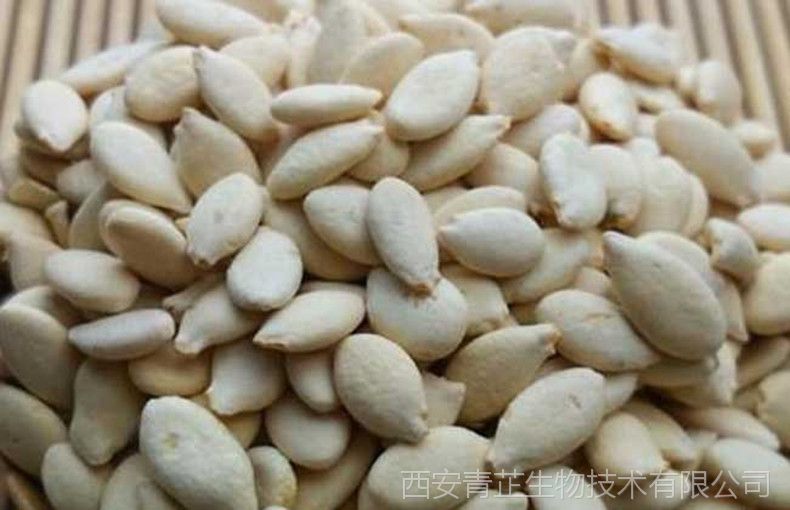
Flat in long ovoid or oblong, 1 cm long, about 6 mm wide.
With yellowish-white skin, sometimes have crack, obtuse at one end, the other end of the tip, cutting-edge has 2 small protrusions, smaller one for the hilum;
Another bump is bigger, there is a obvious on the micropyle.
Smooth edges (unilateral winter melon seeds).
Strip of leather, the seeds of milky white, oily.
Micro, slightly sweet taste.
*The following content is generated by AI and is for reference only.
Benincasa hispida, commonly known as wax gourd or winter melon, is a traditional medicinal plant widely cultivated across Asia. While the term "Benincasa hispida Seed Extract" refers to a complex phytochemical mixture rather than a single pure compound, it does not possess a singular molecular formula or a unique CAS number. This extract comprises various bioactive constituents, including polysaccharides, flavonoids, saponins, and specific fatty acids like linoleic acid. The seed component is particularly valued in ethnomedicine for its diuretic, anti-inflammatory, and hypolipidemic properties.
In the pharmaceutical and cosmetic industries, this extract serves as a functional ingredient due to its rich antioxidant profile. Research suggests that the polysaccharides found within the seeds can modulate immune responses and help regulate blood lipid levels, making it a promising candidate for managing metabolic disorders such as hyperlipidemia and obesity. Furthermore, the extract exhibits significant skin-soothing capabilities, often utilized in skincare formulations to improve hydration and reduce inflammation associated with acne or irritation. Its natural origin aligns well with the growing consumer demand for clean-label, plant-based alternatives to synthetic chemicals.
Unlike isolated chemical entities, the efficacy of Benincasa hispida seed extract relies on the synergistic interaction of its diverse components. Standardization of these extracts remains a challenge, as the concentration of active compounds can vary based on cultivation conditions and extraction methods. Consequently, manufacturers typically characterize the product through specific markers like total phenolic content or polysaccharide percentage rather than a single molecular identifier. As global interest in natural therapeutics expands, Benincasa hispida seed extract continues to attract attention from researchers investigating its potential applications in nutraceuticals, functional foods, and advanced dermatological treatments, offering a sustainable solution for promoting overall health and wellness without the side effects often associated with conventional synthetic drugs.




 (All Rights Reserved)