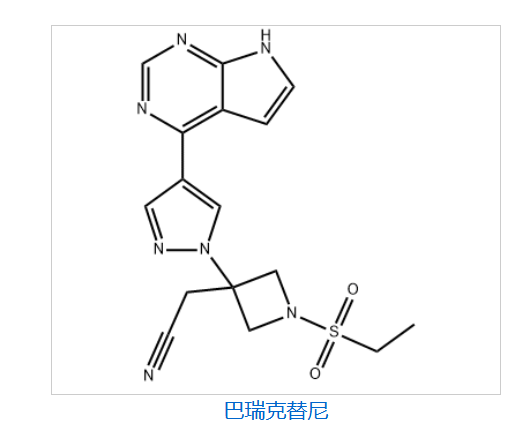
巴瑞克替尼化学性质熔点:212-215°C密度:1.56储存条件:-20°C溶解度:SolubleinDMSO(upto30mg/ml)orinDMF(upto50mg/ml).酸度系数(pKa):11.66±0.50(Predicted)形态:solid颜色:Whiteoroff-white稳定性:Stablefor2yearsfromdateofpurchaseassupplied.SoChemicalbooklutionsinDMSOorDMFmaybestoredat-20°Cforupto3months.InChI:InChI=1S/C16H17N7O2S/c1-2-26(24,25)22-9-16(10-22,4-5-17)23-8-12(7-21-23)14-13-3-6-18-15(13)20-11-19-14/h3,6-8,11H,2,4,9-10H2,1H3,(H,18,19,20)
*The following content is generated by AI and is for reference only.
Baricitinib, chemically designated as 6-(3,5-dimethyl-1-isoxazol-4-yl)-7H-pyrrolo[2,3-d]pyrimidine, is a selective inhibitor of Janus kinases (JAK) 1 and 2. Its molecular formula is C13H13N5O, with a corresponding CAS registry number of 905486-74-2. This small molecule drug functions by blocking the intracellular signaling pathways mediated by JAK enzymes, which are critical for cytokine transmission in inflammatory responses. By inhibiting these kinases, baricitinib effectively reduces the production of pro-inflammatory cytokines, thereby alleviating symptoms associated with various autoimmune and inflammatory conditions.
Originally developed to treat rheumatoid arthritis, baricitinib has gained significant clinical traction as a disease-modifying antirheumatic drug (DMARD). It is indicated for adult patients with moderately to severely active rheumatoid arthritis who have had an inadequate response or intolerance to one or more tumor necrosis factor (TNF) antagonists. Clinical trials have demonstrated its efficacy in improving physical function and reducing disease activity scores compared to placebo. Beyond rheumatology, research has expanded into other indications, including atopic dermatitis and alopecia areata, where it shows promise in modulating immune dysregulation. Furthermore, during the global pandemic, baricitinib was investigated for its potential antiviral properties, specifically targeting viral entry mechanisms via endocytosis, although its primary regulatory approval remains focused on inflammatory disorders.
The pharmacological profile of baricitinib distinguishes it from non-selective JAK inhibitors due to its high selectivity for JAK1 and JAK2, minimizing off-target effects on JAK3 and TYK2. This specificity aims to balance therapeutic efficacy with a favorable safety profile, though monitoring for infections, thromboembolic events, and laboratory abnormalities remains essential during treatment. As a once-daily oral tablet, it offers convenient administration for chronic management. Ongoing studies continue to explore its utility in combination therapies and broader immunomodulatory applications, solidifying its role as a pivotal agent in modern precision medicine for autoimmune diseases.


![8,16-Diazadispiro[6.1.6.2]heptadecan-17-one](https://eimg.pharmasources.com/image/product/20250403/ca91cba8b87e53fc879f8d8764873a40jpg)
![6,8-Dioxo-5,7-diazaspiro[3.4]octane-2-carboxylic acid](https://eimg.pharmasources.com/image/product/20250403/02effeb5a7639bc84ff1f3add3c0c64fjpg)
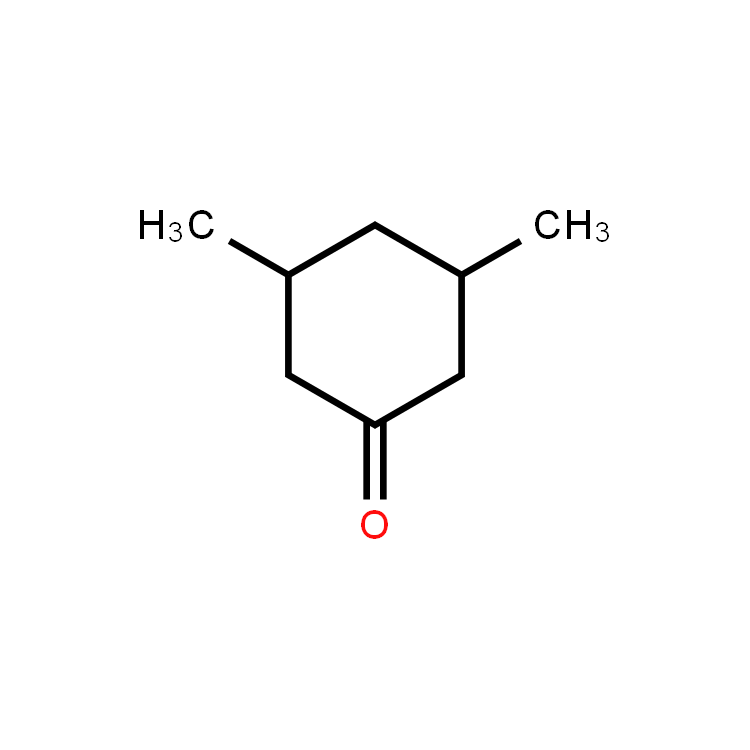
![8-Oxa-1,3-diazaspiro[4.5]decane-2,4-dione](https://eimg.pharmasources.com/image/product/20250403/60fa7223d5a34f24138486ceea0ffb15jpg)



 (All Rights Reserved)