Category:
Plant Extracts
CAS NO:
-
Standard:
ChP,

Product Information:
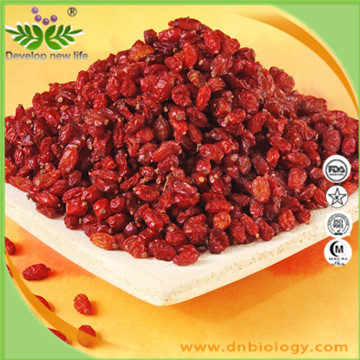
Product Name: Barberry Extract
Latin Name: Berberis vulgaris
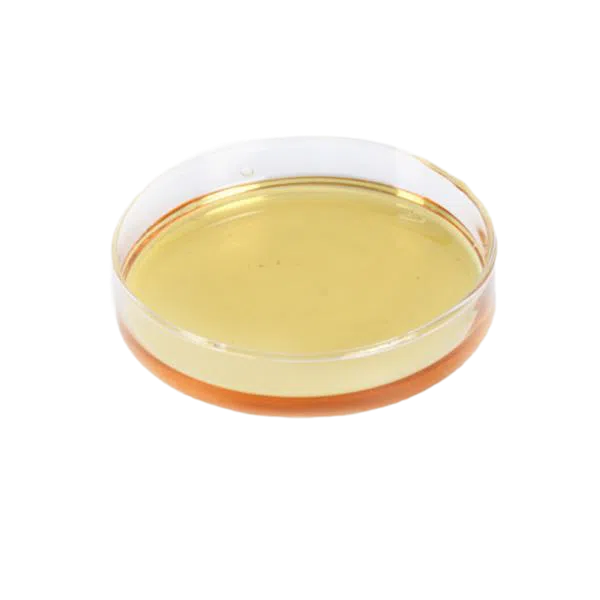
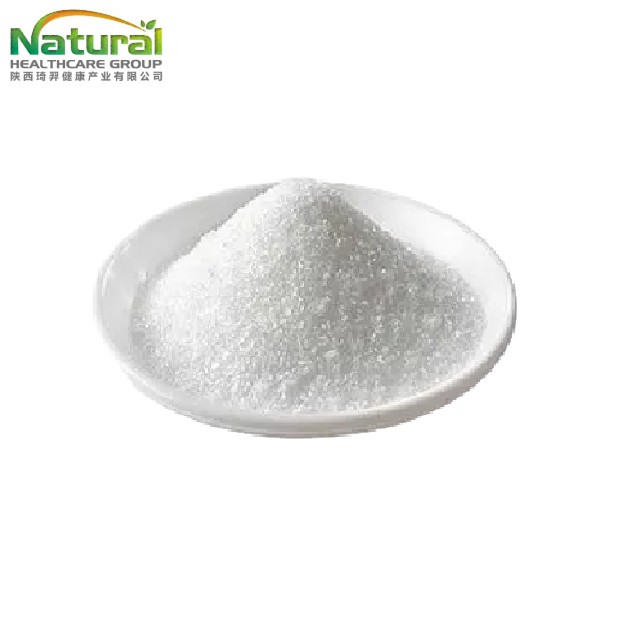
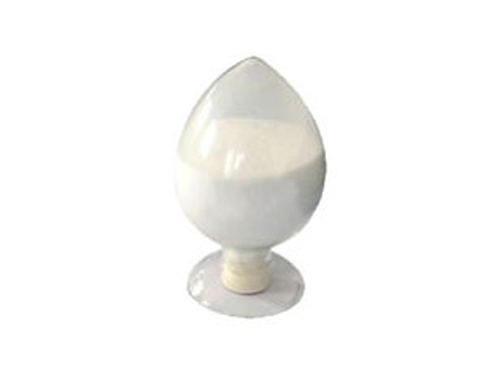
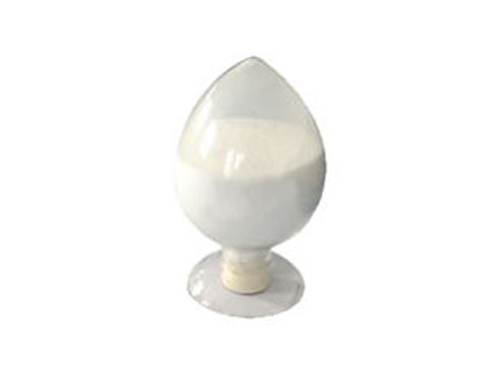
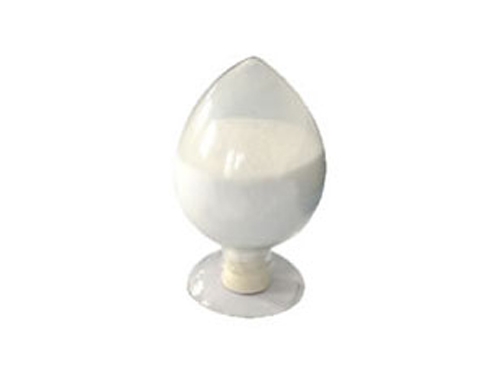
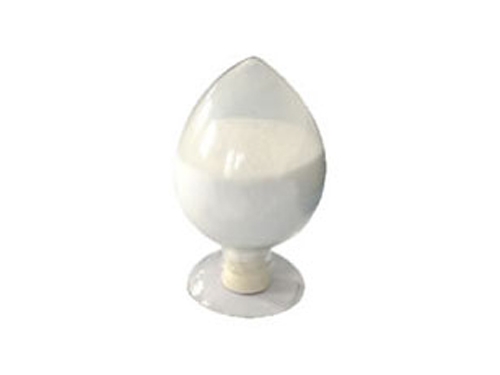
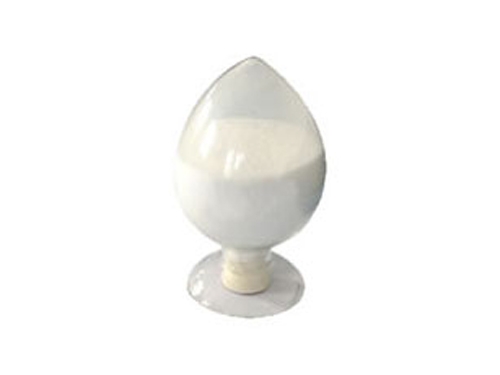
Appearance: Fine brown yellow powder
Part of the Plant Used: Flower Root bark (Dried, 100% Natural)
Extract Ratio : 4:1 to 20:1 TLC
Extract Method: Grain Alcohol/Water
Introduction:
Barberry herb has been used in the Middle East, Europe, China, and India for healing purposes. For medicinal purposes, barberry plant has been studied in terms of its fruit and also in terms of its root. When evaluating research studies with barberry, it is important to note the distinction between fruit extract and root extract. Often barberry is mentioned without making a distinction between the fruit and the root. The barberry root has a yellow color which indicates content of berbamine and berberine. Berberine is isolated as a main alkaloid from the roots and bark of Berberis vulgaris
Main Function:
Extracts from barberry fruit appear to have natural antihistamine and anti-allergy potential. See allergy for a list of herbs and nutrients that could potentially be helpful in reducing allergy symptoms. The common barberry is known as Berberis vulgaris.
Extract of barberry herb may have beneficial effects on both the cardiovascular and neural system suggesting a potential use for treatment of hypertension, tachycardia and some neuronal disorders, such as epilepsy and convulsion. Traditionally barberry has been used for liver and gastrointestinal disorders along with anti-parasitic, anti-bacterial, and anti-fungal activity.
Barberry fruit extract has anti-hypertensive or blood pressure lowering potential.
Application:
Pharmaceutical stuff;
Functional food and food additive;
Cosmetics additive;


 (All Rights Reserved) (All Rights Reserved)