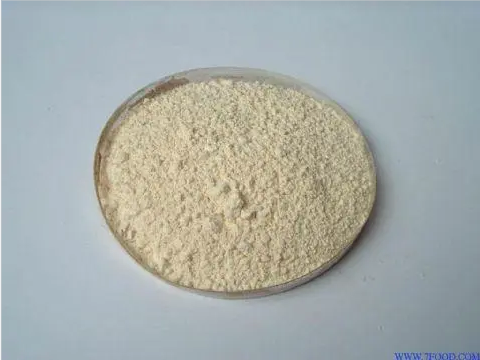
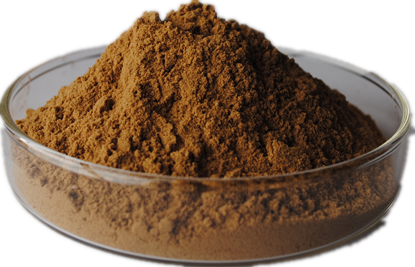
Product Description
please call me ,to know more
AI Product Description
*The following content is generated by AI and is for reference only.
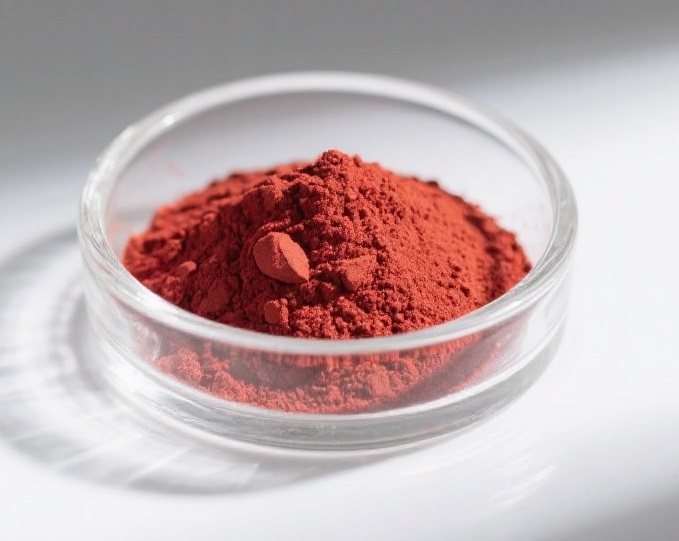
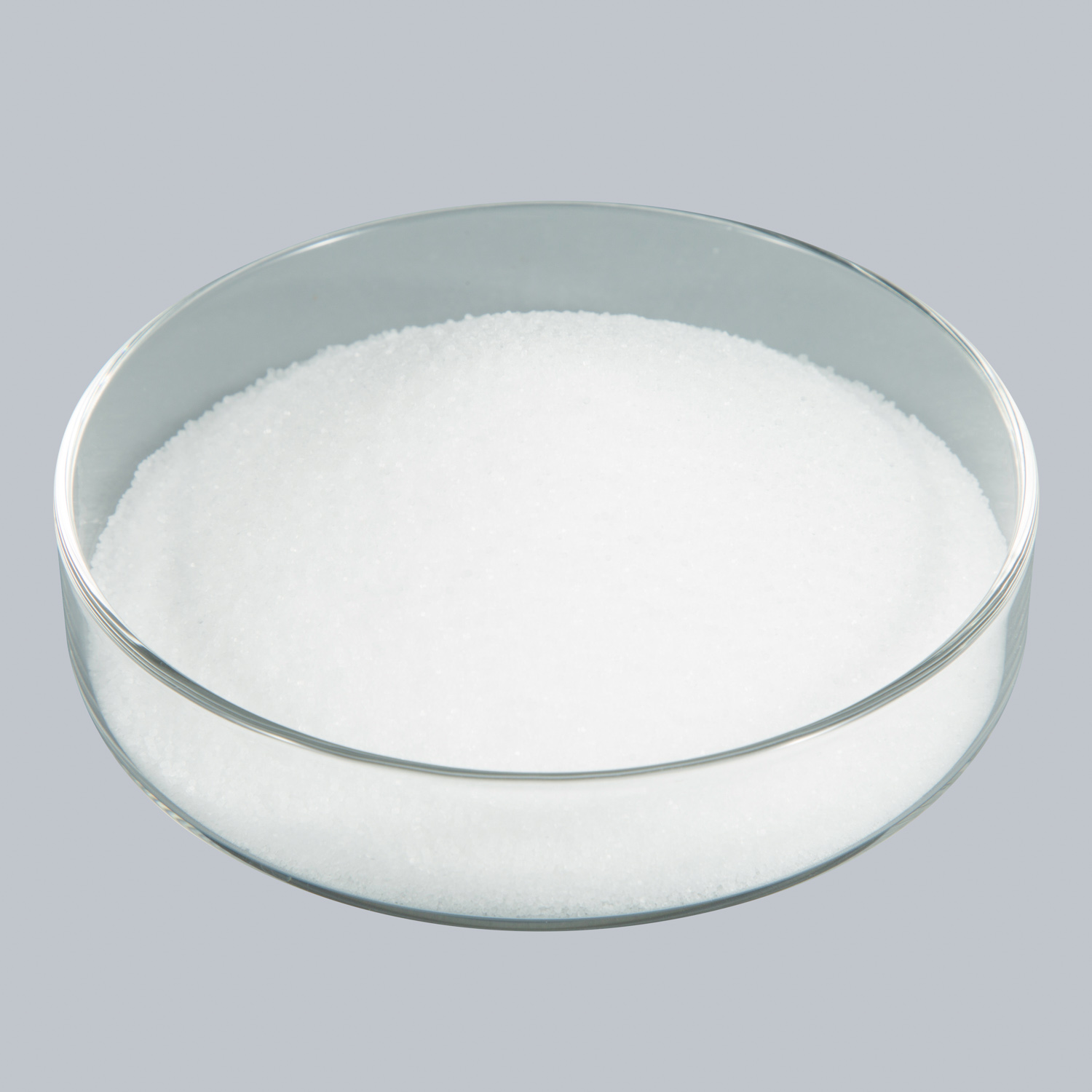
Baohuoside I, also frequently associated with or structurally related to Icariin derivatives such as Icariiside II (often referred to in specific contexts regarding their aglycone forms or specific isomers), represents a significant class of prenylated flavonoid glycosides isolated primarily from the traditional Chinese medicinal herb *Epimedium* species. These bioactive compounds are renowned for their diverse pharmacological potential and have attracted considerable attention in modern drug discovery and functional food development. The molecular formula for Baohuoside I is typically C25H30O11, reflecting its complex structure comprising a flavonoid backbone linked to sugar moieties and prenyl groups, which significantly influence its solubility and biological activity. While specific CAS registry numbers can vary slightly depending on the exact stereochemistry and salt form cited in different databases, these compounds are generally cataloged under distinct identifiers within chemical literature, serving as critical reference points for researchers standardizing extracts.
The primary applications of Baohuoside I and Icariiside II span therapeutic, cosmetic, and nutritional sectors. In traditional medicine, they are historically utilized to treat kidney deficiency, impotence, and osteoporosis. Modern scientific studies have validated these uses, highlighting potent anti-osteoporotic effects by stimulating osteoblast differentiation and inhibiting bone resorption. Furthermore, these flavonoids exhibit strong antioxidant properties, scavenging free radicals and reducing oxidative stress, which contributes to neuroprotective and cardioprotective benefits. They also demonstrate anti-inflammatory activities by modulating key signaling pathways involved in immune response. In the cosmetics industry, their ability to promote collagen synthesis and improve skin elasticity makes them valuable ingredients in anti-aging formulations. Additionally, due to their structural similarity to endogenous hormones, they are investigated for their role in regulating reproductive health without the severe side effects often associated with synthetic alternatives. As natural products, they offer a safer profile compared to many synthetic drugs, driving ongoing research into their isolation, purification, and clinical translation for treating metabolic disorders, age-related diseases, and enhancing overall vitality.





 (All Rights Reserved)