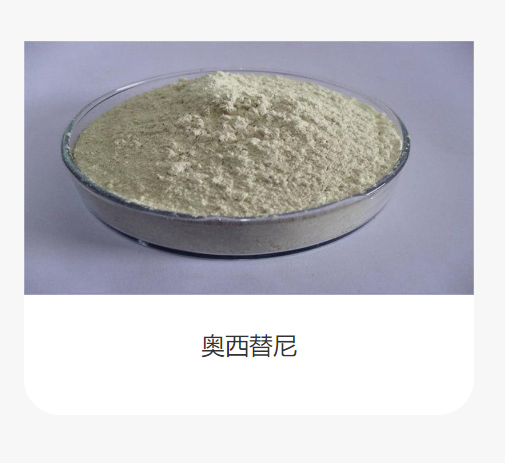
奥西替尼化学性质熔点:>188oC(dec.)密度:1.19±0.1g/cm3(Predicted)储存条件:Hygroscopic,-20°CFreezer,Underinertatmosphere溶解度:DChemicalbookMSO(Slightly,Heated),Methanol(Slightly,Heated)酸度系数(pKa):12.68±0.70(Predicted)形态:Solid颜色:PaleYellowtoBeige
*The following content is generated by AI and is for reference only.
AZD-9291, commercially known as Osimertinib, is a third-generation tyrosine kinase inhibitor (TKI) specifically developed for the treatment of non-small cell lung cancer (NSCLC). Its molecular formula is C30H37ClFN6O4, and it carries the CAS registry number 869012-55-1. This compound represents a significant advancement in oncology therapeutics due to its unique ability to target epidermal growth factor receptor (EGFR) mutations, including both sensitizing mutations like exon 19 deletions and L858R point mutations, as well as the T790M resistance mutation that typically develops after treatment with earlier-generation TKIs such as gefitinib or erlotinib.
Unlike first- and second-generation inhibitors, AZD-9291 is designed with an irreversible binding mechanism that selectively targets EGFR mutants while sparing wild-type EGFR expression in normal tissues. This selectivity profile helps reduce common side effects associated with skin rash and diarrhea, which are frequently observed with prior therapies. The drug functions by inhibiting the ATP-binding pocket of the EGFR protein, thereby blocking downstream signaling pathways essential for tumor cell proliferation and survival. Clinical trials have demonstrated its efficacy not only in patients with acquired resistance to previous treatments but also as a first-line therapy for those harboring specific EGFR mutations, significantly extending progression-free survival rates.
Beyond its primary indication, research continues to explore its potential in combination therapies and other malignancies driven by EGFR alterations. The pharmacokinetic properties of AZD-9291 allow for effective penetration into the central nervous system, making it particularly valuable for managing brain metastases, a common complication in NSCLC patients. As a cornerstone of precision medicine, this molecule exemplifies how targeted molecular profiling can lead to more effective and less toxic cancer treatments. Its approval by major regulatory agencies worldwide has established it as a standard-of-care option for a broad spectrum of EGFR-mutated lung cancers, offering hope to patients who previously had limited therapeutic options following disease progression on older agents.


![8,16-Diazadispiro[6.1.6.2]heptadecan-17-one](https://eimg.pharmasources.com/image/product/20250403/ca91cba8b87e53fc879f8d8764873a40jpg)
![6,8-Dioxo-5,7-diazaspiro[3.4]octane-2-carboxylic acid](https://eimg.pharmasources.com/image/product/20250403/02effeb5a7639bc84ff1f3add3c0c64fjpg)
![8-Oxa-1,3-diazaspiro[4.5]decane-2,4-dione](https://eimg.pharmasources.com/image/product/20250403/60fa7223d5a34f24138486ceea0ffb15jpg)



 (All Rights Reserved)