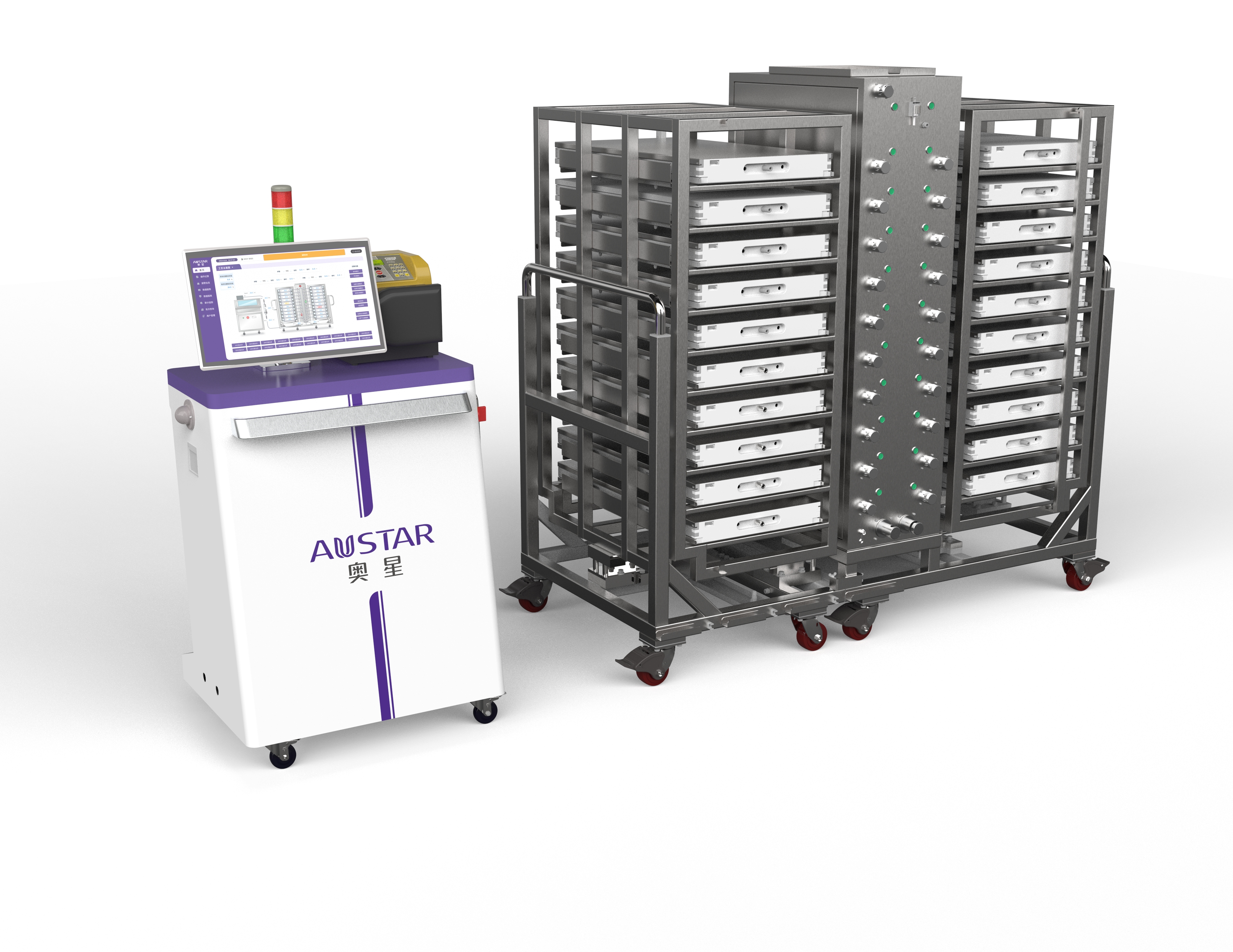
Product Description
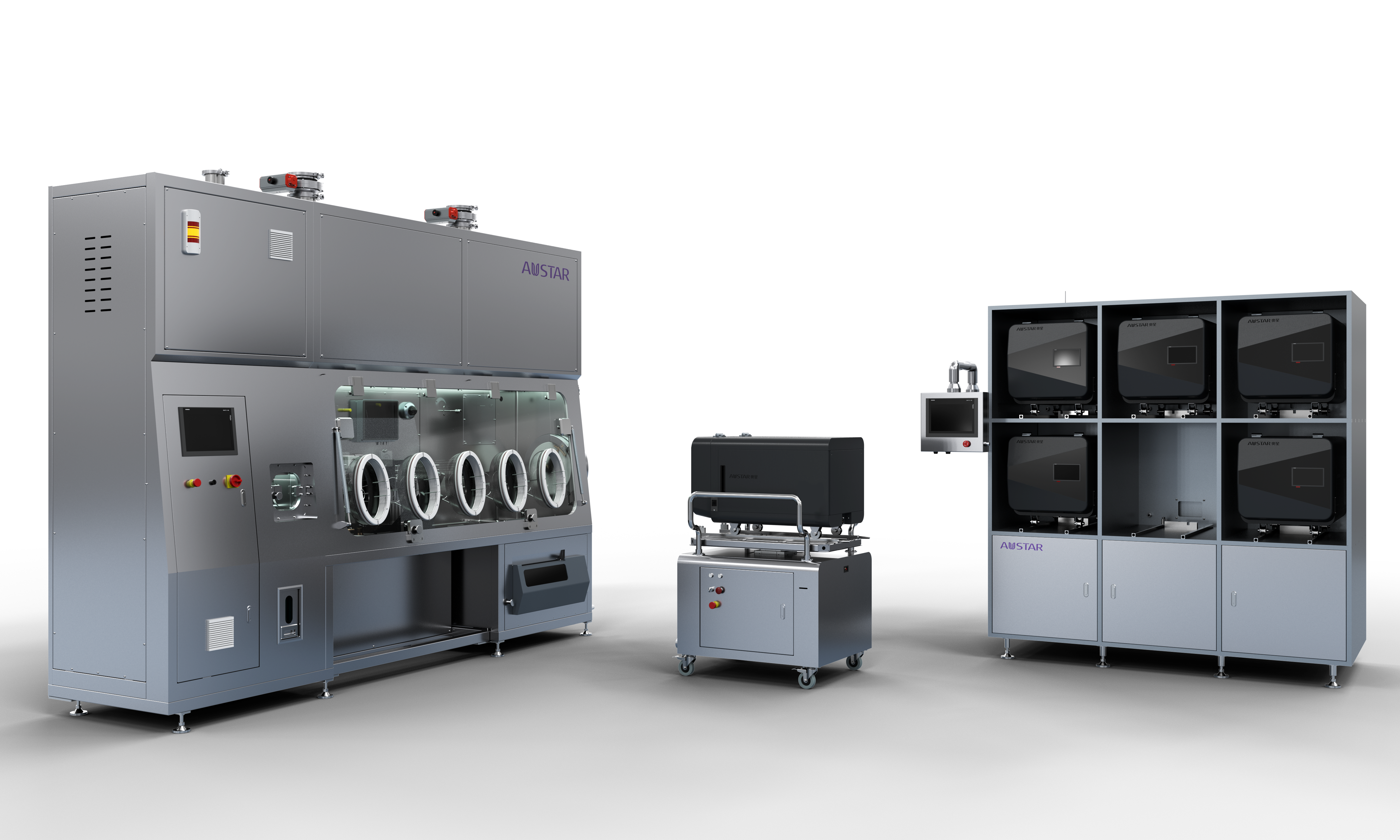
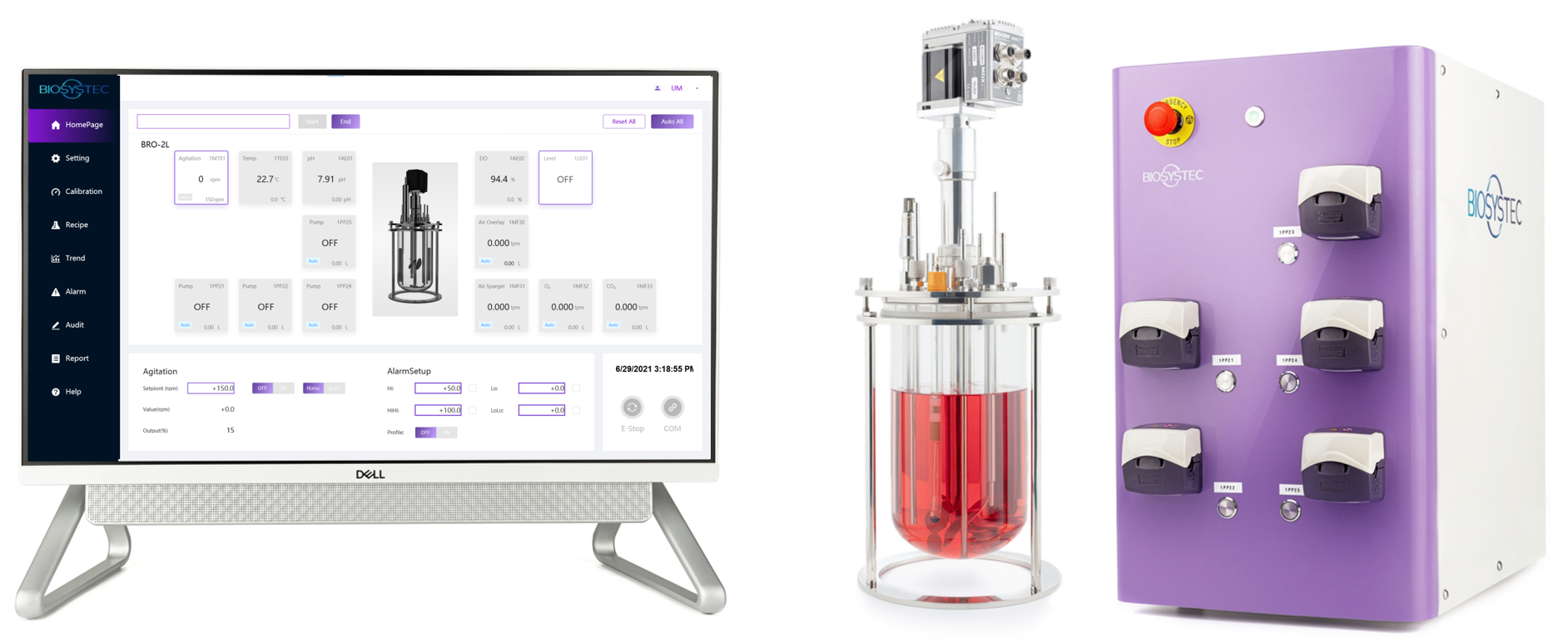
Accurate, efficient, and compliant small-volume cell/intermediate & large-volume biologics drug substance fluid management platform
Filling systems are used to improve overall productivity and reduce intra- and inter-batch errors. AUSTAR's filling platform adopts innovative technology and special design features to achieve higher production efficiency, ensure product quality, and reduce production costs.
AI Product Description
*The following content is generated by AI and is for reference only.
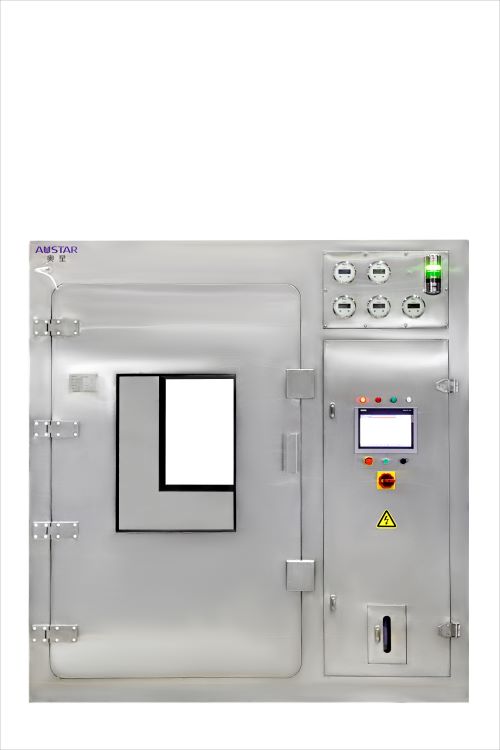
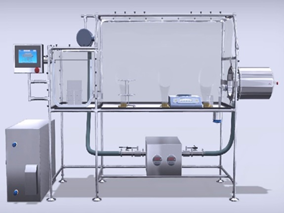
The device described is a high-efficiency liquid dispensing unit designed for industrial and commercial applications requiring precise fluid transfer without reliance on automated filling mechanisms. Primarily utilized in sectors such as food and beverage processing, pharmaceutical manufacturing, and chemical production, this manual or semi-automated system offers operators direct control over flow rates and volume accuracy. Its robust construction typically features corrosion-resistant materials like stainless steel, ensuring durability in harsh environments while maintaining strict hygiene standards required by regulatory bodies.
Key applications include transferring syrups, oils, solvents, and cleaning agents into containers, tanks, or mixing vessels. The absence of complex automation allows for flexible operation in small-to-medium batch productions where frequent changeovers are necessary. Operators can easily adjust nozzle heights and pressure settings to accommodate various container sizes and viscosities, minimizing product waste and spillage. This adaptability makes it an ideal solution for facilities that prioritize versatility over fully integrated robotic lines.
Safety and operational precautions are paramount when using this equipment. Users must ensure all connections are securely tightened before activation to prevent leaks under pressure. Regular inspection of seals, gaskets, and valves is essential to maintain integrity and avoid contamination. Before any maintenance or cleaning procedure, the system must be completely depressurized and isolated from power sources to prevent accidental discharge. Personnel should wear appropriate personal protective equipment, including gloves and eye protection, especially when handling hazardous chemicals or hot liquids. Furthermore, the unit should never be operated if components show signs of wear, cracks, or damage. Proper training for staff on emergency shutdown procedures and leak response protocols is strongly recommended to mitigate risks. By adhering to these guidelines and performing routine calibration checks, organizations can maximize the lifespan of the dispenser while ensuring consistent product quality and workplace safety. This reliable tool remains a cornerstone of efficient fluid management in diverse processing industries.



 (All Rights Reserved)