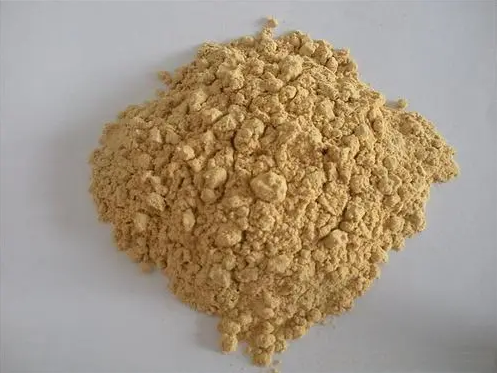
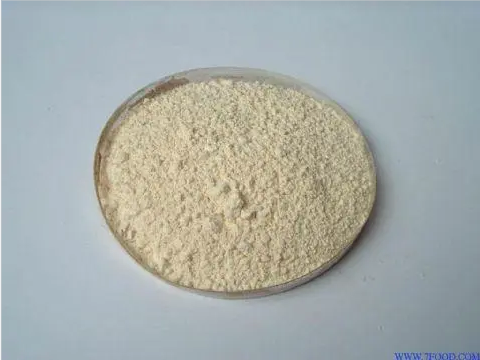
Product Description
please call me ,to know more
AI Product Description
*The following content is generated by AI and is for reference only.
Atractyloside potassium salt is a specialized bioactive compound derived from the roots of *Atractylis gummifera*, commonly known as spiny thistle. This chemical entity serves as the potassium salt form of atractyloside, a potent glycoside widely recognized in biochemical research for its unique mechanism of action on mitochondrial function. The molecular formula of this substance is typically represented as C19H26KNO14S, with a corresponding CAS registry number of 3750-05-8. Its structural composition includes a glucose moiety linked to an aglycone core, modified by the presence of a sulfur atom and stabilized by the potassium counterion, which enhances its solubility and handling properties compared to the free acid form.
The primary application of Atractyloside potassium salt lies in the field of cellular metabolism and mitochondrial physiology. It acts as a highly specific inhibitor of the adenine nucleotide translocator (ANT), also known as the ADP/ATP carrier protein located in the inner mitochondrial membrane. By binding tightly to the cytosolic side of this transporter, the compound effectively blocks the exchange of adenosine diphosphate (ADP) and adenosine triphosphate (ATP). This inhibition prevents the import of ADP into the mitochondria, thereby halting oxidative phosphorylation and ATP synthesis. Consequently, it is an invaluable tool for researchers investigating energy metabolism, apoptosis pathways, and the regulation of mitochondrial permeability transition pores.
In laboratory settings, scientists utilize this reagent to study the effects of metabolic stress on cells, model ischemic conditions, or analyze the role of ANT isoforms in various diseases. Due to its high potency, it must be handled with extreme care using appropriate personal protective equipment. While not used clinically due to its toxicity, its precise inhibitory profile makes it indispensable for elucidating fundamental mechanisms of bioenergetics. Researchers rely on this compound to validate drug targets related to mitochondrial dysfunction, cancer metabolism, and neurodegenerative disorders, ensuring accurate experimental outcomes in metabolic studies.






 (All Rights Reserved)