We are professional Raw Material Manufacturer, with more than 10 years' experience.
Please contact us for more information and detailed quotation
Email: sales12@sgonekbio.com
Phone/WhatsApp/Wechat: +86 13572550462

*The following content is generated by AI and is for reference only.
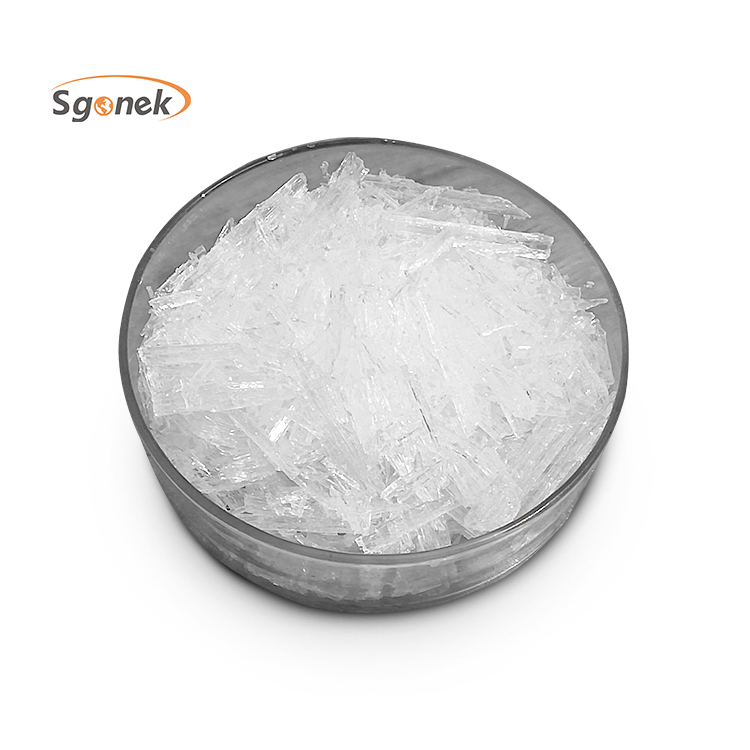
Aspartic acid powder is a non-essential, polar, and acidic amino acid that plays a critical role in numerous biological processes. Chemically known as 2-aminobutanedioic acid, its molecular formula is C₄H₇NO₄, and it is identified by the CAS number 614-97-3 for the L-isomer, which is the biologically active form found in proteins. This white to off-white crystalline powder is highly soluble in water but insoluble in organic solvents, making it versatile for various industrial applications.
In the pharmaceutical industry, aspartic acid serves as a fundamental building block for peptide synthesis and is utilized in the production of dietary supplements designed to support metabolic health and muscle recovery. It acts as a neurotransmitter precursor and is involved in the urea cycle, helping to remove ammonia from the body. Furthermore, it is often included in formulations aimed at enhancing athletic performance by reducing fatigue and supporting energy metabolism.
Beyond medicine, this compound is widely used in the food and beverage sector as an acidity regulator and flavor enhancer, particularly in sports drinks and nutritional bars. Its ability to chelate metal ions makes it valuable in cosmetic formulations for stabilizing products and improving skin hydration. In agriculture, aspartic acid derivatives are sometimes employed as foliar sprays to promote plant growth and stress resistance. The chemical also finds application in analytical chemistry as a standard reagent and in research laboratories for studying protein folding mechanisms.
Manufactured through fermentation or chemical synthesis, high-purity aspartic acid powder meets stringent quality standards required for human consumption and scientific use. Its safety profile is well-established, with no significant toxicity reported when used within recommended limits. As a key component in both natural and synthetic pathways, aspartic acid remains indispensable across diverse sectors ranging from healthcare to advanced materials science, underscoring its status as a vital biochemical agent in modern technology.











 (All Rights Reserved)