Aspartame is also known as sweetener, protein sugar, aspartame, aspartame, aspartame, and other non-carbohydrate artificial sweetener. Aspartame, as an important sweetener, is widely used in chemical processing and food processing, and its safety is very important. Although some sweeteners on the market have been replaced by aspartame and other sweeteners with relatively high safety, such as high fructose corn syrup, its application is still very widespread.
*The following content is generated by AI and is for reference only.
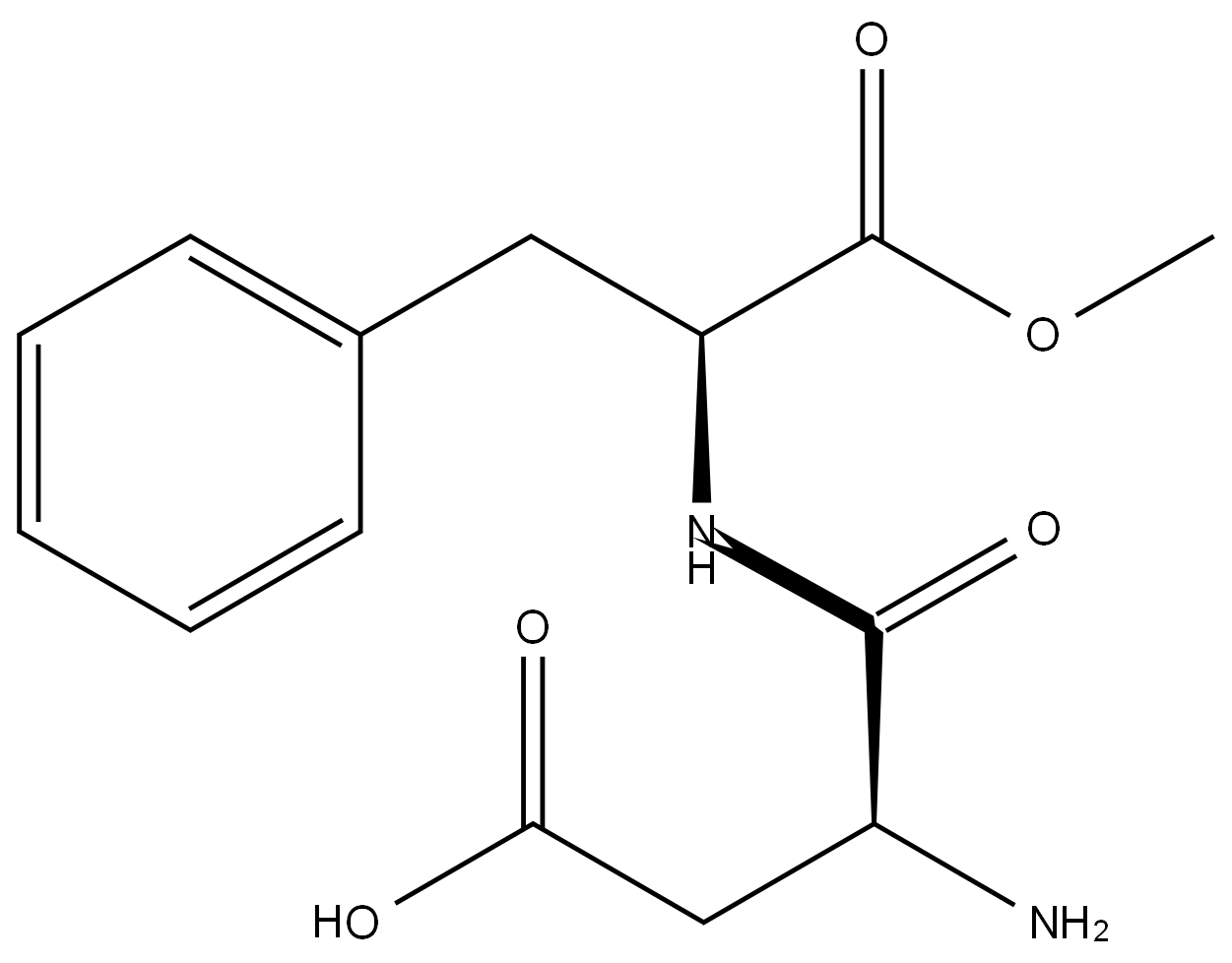
Aspartame is a widely utilized low-calorie artificial sweetener that serves as a popular sugar substitute in the global food and beverage industry. Chemically, it is an methyl ester of the dipeptide composed of two amino acids: L-aspartic acid and L-phenylalanine. Its molecular formula is C14H18N2O5, and it is identified by the CAS Registry Number 22839-47-0. The compound was discovered accidentally in 1965 and has since become one of the most extensively studied food additives in history.
With a sweetness intensity approximately 200 times greater than sucrose, aspartame allows manufacturers to significantly reduce the caloric content of products without compromising taste. It is commonly found in diet sodas, sugar-free chewing gums, tabletop sweeteners, yogurt, desserts, and various pharmaceutical preparations. Because it provides zero calories when used in typical serving sizes, it is a preferred ingredient for individuals managing diabetes or those seeking weight control solutions. However, its usage is subject to strict regulatory guidelines set by agencies such as the FDA and EFSA, which have established acceptable daily intake limits to ensure safety.
A critical consideration regarding aspartame involves phenylketonuria (PKU), a rare genetic disorder where the body cannot break down phenylalanine. Consequently, products containing aspartame must carry a warning label indicating the presence of this amino acid to protect affected individuals. While some consumers express concerns about potential health risks, extensive scientific reviews over decades have consistently affirmed its safety for the general population within established consumption limits. Aspartame remains stable under dry conditions but can degrade in high heat or acidic environments, limiting its application in certain baking processes or long-term storage scenarios. Despite these limitations, its versatility, cost-effectiveness, and proven track record ensure its continued prominence in the formulation of modern low-sugar and sugar-free goods worldwide.










 (All Rights Reserved)