Category:
Prophylactic Biological Products
CAS NO:
--
Standard:
In-house Standards,

| Product Name: | Aspartame |
| Synonyms: | N-a-aspartyl-L-phenyla |
| Specification: | 98% |
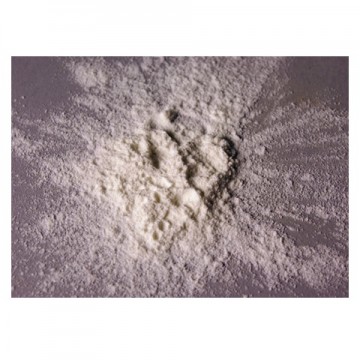
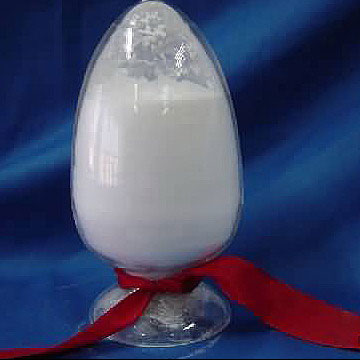
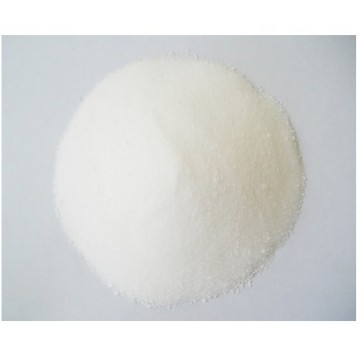
| Appearance: | White Crystal powder |
| CAS No.: | 22839-47-0 |
| Package: | For minimal order: 1KG/Aluminium foil bag, 5 bags in a carton . For large quantity: 25KG/Fiber Drum in net weight; 28KG/Fiber Drum in gross weight (Can be customized) |
Introduction:
As an artificial sweetener, Aspartame has a sweet flavor, nearly without calory and carbohydrate. It is 200 times as sweet as saccharose and can be completely absorbed and metabolized by the body without any harm. It is safe and reliable, with pure taste. At present, more than 100 countries have approved the use of Aspartame. It has been widely used in all types of drinks, candy, food, health care products and so on.
Specification:
|
Test Items |
Standard |
|
Appearance: |
White granular or powder |
|
Assay (on dry basis): |
98.00-102.00% |
|
Taste: |
Pure |
|
Specific rotation: |
+14.50°~+16.50° |
|
Transmittance: |
95.0% min |
|
Loss on drying: |
4.50% max |
|
Residue on ignition: |
0.20% max |
|
L-a-Aspartyl-L-Phenylalanine: |
0.25% max |
|
PH Value: |
4.5-6.0 |
|
L-Phenylalanine: |
0.50% max |
|
Heavy metals (as Pb): |
10ppm max |
|
Arsenic (AS): |
3ppm max |
|
5-benzyl-3,6-dioxo-2piperazineacetic acid: |
1.5% max |
|
Other related substances: |
2.0% max |
Aspartame Chemistry:
Aspartame is a methyl ester of the dipeptide of the natural amino acids L-aspartic acid and L-phenylalanine. Under strongly acidic or alkaline conditions, aspartame may generate methanol by hydrolysis. Under more severe conditions, the peptide bonds are also hydrolyzed, resulting in the free amino acids.
As aspartame manufartrurer, there are two approaches to synthesis which are used commercially. In the chemical synthesis, the two carboxyl groups of aspartic acid are joined into an anhydride and the amino group is protected by a compound that will prevent further reactions of that group. Phenylalanine is methylated and combined with the N-protected aspartic anhydride, then the blocking group is removed from aspartic acid by acid hydrolysis. The drawback of this technique is that a byproduct, the bitter tasting β-form, is produced when the wrong carboxyl group from aspartic acid links to phenylalanine.


 (All Rights Reserved) (All Rights Reserved)