Product Description
please call me ,to know more
AI Product Description
*The following content is generated by AI and is for reference only.
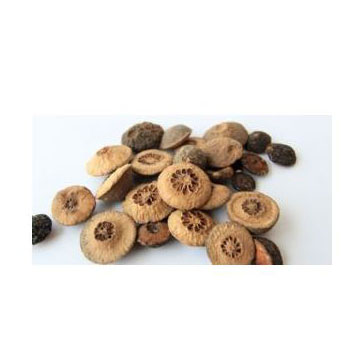
Arecoline hydrobromide is a well-established pharmaceutical compound derived from the betel nut (Areca catechu), primarily utilized in veterinary medicine and historical human therapeutics. Chemically, it serves as the hydrobromide salt of arecoline, an alkaloid acting as a muscarinic acetylcholine receptor agonist. Its molecular formula is C8H14BrNO2, reflecting the addition of a bromide ion to the base alkaloid structure. The substance is uniquely identified by its CAS registry number, 537-69-5, which facilitates precise tracking in chemical databases and regulatory compliance across global markets.
The primary application of Arecoline hydrobromide lies in the treatment of parasitic infections, particularly in livestock such as cattle, sheep, and horses. It functions effectively as an anthelmintic agent, stimulating smooth muscle contraction in the gastrointestinal tract to expel nematodes and tapeworms. By mimicking the action of acetylcholine, it induces peristalsis and parasympathetic stimulation, facilitating the removal of intestinal parasites without causing severe systemic toxicity when administered at therapeutic doses. Historically, it was also investigated for human use in treating glaucoma due to its miotic effects, though this application has largely been superseded by safer, more selective drugs like pilocarpine.
In modern research, Arecoline hydrobromide remains a valuable tool for studying cholinergic pathways and neurotransmitter dynamics. Scientists utilize it to probe the mechanisms of muscarinic receptors, aiding in the development of new treatments for neurological disorders and cognitive decline. However, its usage requires strict adherence to safety protocols due to potential side effects including nausea, vomiting, salivation, and bradycardia. Regulatory bodies classify it carefully, ensuring it is only dispensed under professional supervision. While not a first-line treatment for humans today, its role in veterinary health and biochemical research ensures its continued relevance. As a standardized chemical reagent, high-purity Arecoline hydrobromide is essential for quality control in agricultural medicine and academic laboratories worldwide, supporting efforts to maintain animal welfare and advance pharmacological understanding of the cholinergic system.






 (All Rights Reserved)