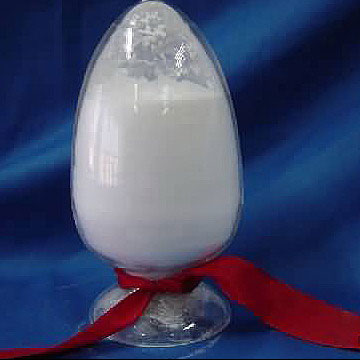
Product Description
In medicine, it can be used as oral liquid or intravenous injection as nutritional supplement, used as sweetness in food industry for biological medium preparation and pharmaceutical industry, and also used as reducing agent for reducing agent, sugar, and biological culture.
AI Product Description
*The following content is generated by AI and is for reference only.
Anhydrous glucose, chemically known as D-glucose or dextrose monohydrate-free, is a fundamental simple sugar and a primary source of metabolic energy in biological systems. Its molecular formula is C₆H₁₂O₆, representing a hexose monosaccharide composed of six carbon atoms, twelve hydrogen atoms, and six oxygen atoms arranged in a specific cyclic structure. The unique identifier for this compound in chemical databases is CAS No. 50-99-7, which distinguishes it from other isomers like fructose or galactose. Unlike its hydrated counterpart, anhydrous glucose contains no water molecules within its crystal lattice, making it highly stable and suitable for applications requiring strict moisture control.
In the pharmaceutical industry, anhydrous glucose serves as a critical excipient and active ingredient. It is widely utilized in the formulation of intravenous solutions to treat hypoglycemia, dehydration, and electrolyte imbalances. Due to its non-hygroscopic nature compared to other sugars, it acts as an excellent filler and binder in tablet manufacturing, ensuring consistent compression and stability during storage. Furthermore, it plays a vital role in parenteral nutrition, providing essential carbohydrates for patients unable to consume food orally.
The food and beverage sector also relies heavily on this compound. It functions as a sweetener, preservative, and texture modifier in confectionery, baked goods, and processed foods. Its rapid absorption rate makes it ideal for sports drinks and energy gels designed to replenish glycogen stores immediately after physical exertion. In industrial applications, anhydrous glucose acts as a starting material for fermentation processes to produce ethanol, organic acids, and antibiotics. Additionally, it is employed in electroplating baths and textile processing as a reducing agent. The purity of anhydrous glucose is strictly regulated to meet international pharmacopoeia standards, ensuring safety for both human consumption and medical use. Its versatility, combined with high solubility and predictable chemical behavior, cements its status as one of the most indispensable chemical compounds in modern science and industry.

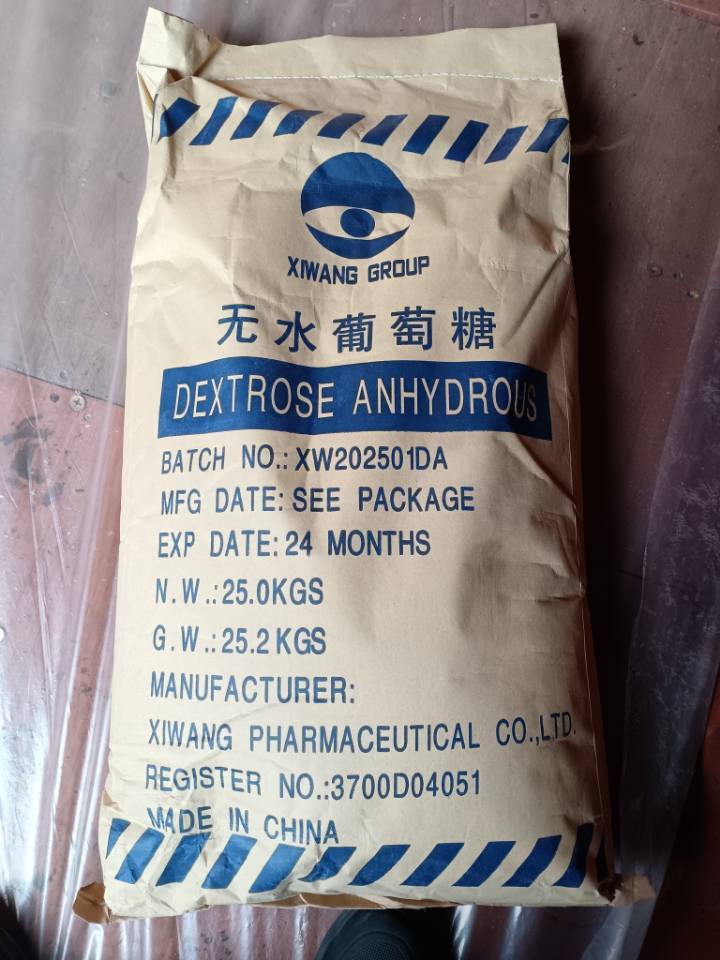



 (All Rights Reserved)