Product Description
| Amprolium Hydrochloride Chemical Properties |
AI Product Description
*The following content is generated by AI and is for reference only.
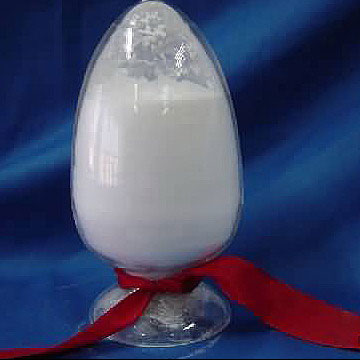
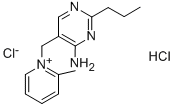
Amprolium hydrochloride is a widely used coccidiostat belonging to the thiamine analog class, primarily employed in veterinary medicine to prevent and treat coccidiosis in poultry, cattle, and other livestock. Its chemical identity is defined by the molecular formula C12H19ClN4O·HCl, indicating its structure as a quaternary ammonium salt derived from amprolium. The substance is officially registered under CAS number 106-48-3, a unique identifier essential for regulatory compliance, safety data sheet documentation, and global trade logistics. This compound functions by competitively inhibiting the uptake of thiamine (vitamin B1) within the intracellular parasites of the Eimeria genus. Since these protozoan parasites rely heavily on host-derived thiamine for their survival and replication, the introduction of amprolium effectively starves them, halting the disease cycle without causing significant harm to the host animal when administered at therapeutic doses.
The product is commercially available in various formulations, including soluble powders, premixes, and liquid concentrates, allowing for flexible administration through drinking water or feed. It is particularly critical in intensive farming operations where high stocking densities facilitate rapid parasite transmission. By controlling coccidiosis, amprolium significantly reduces mortality rates, improves feed conversion efficiency, and ensures better overall flock health and productivity. Regulatory agencies such as the FDA and EMA have established specific withdrawal periods and maximum residue limits to ensure that meat and egg products remain safe for human consumption. While generally considered safe for target species, proper dosage management is crucial; excessive intake can lead to thiamine deficiency in the host, resulting in neurological symptoms similar to those seen in beriberi. Consequently, it is often recommended to supplement diets with additional thiamine during prolonged treatment periods. Amprolium hydrochloride remains a cornerstone in modern avian and bovine health programs, offering a cost-effective and reliable solution against one of the most persistent parasitic challenges in agriculture. Its continued efficacy underscores the importance of integrated pest management strategies that combine chemical control with biosecurity measures.




 (All Rights Reserved)