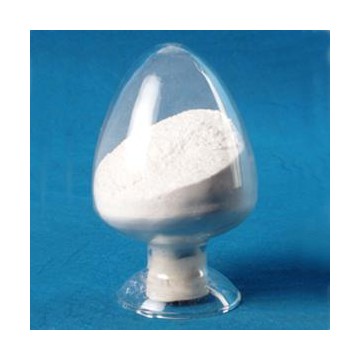
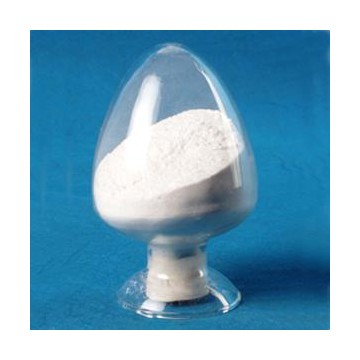
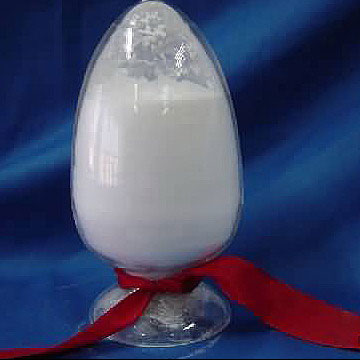
Product Description
-
CAS No.: 7177-48-2
-
Type: Antibiotic and Antimicrobial Agents
-
Grade Standard: Medicine Grade
-
Usage: Animal Pharmaceuticals
-
Brand Name: FARMASINO
-
Model Number: 7177-48-2
-
Purity: 99%
AI Product Description
*The following content is generated by AI and is for reference only.
Ampicillin Trihydrate is a widely utilized semi-synthetic beta-lactam antibiotic belonging to the aminopenicillin class. Its chemical structure features an extended spectrum compared to natural penicillin G, allowing it to effectively combat both Gram-positive and certain Gram-negative bacteria. The molecular formula of Ampicillin Trihydrate is C₁₆H₂₀N₄O₇S·3H₂O, reflecting its hydrated crystalline form which enhances stability and solubility for pharmaceutical applications. This compound is identified by the CAS number 69-53-4, a unique numerical identifier essential for precise chemical tracking and regulatory compliance globally.
The primary mechanism of action involves the inhibition of bacterial cell wall synthesis by binding to penicillin-binding proteins (PBPs). This disruption prevents the cross-linking of peptidoglycan layers, leading to cell lysis and death in susceptible organisms. Clinically, Ampicillin Trihydrate is indicated for the treatment of infections caused by susceptible strains of Streptococcus pneumoniae, non-penicillinase-producing Staphylococcus aureus, Escherichia coli, Haemophilus influenzae, and Salmonella species. It is commonly prescribed for respiratory tract infections, urinary tract infections, meningitis, gastrointestinal infections, and septicemia. Due to its broad efficacy, it remains a cornerstone in empirical therapy before culture results are available.
Beyond human medicine, this hydrate form is frequently employed in research laboratories as a selective agent in molecular biology. Specifically, it is added to growth media to maintain plasmids containing the ampicillin resistance gene (bla) in recombinant bacterial strains like E. coli. The trihydrate formulation offers distinct advantages over the anhydrous form, including improved handling characteristics and consistent dissolution rates in aqueous solutions. However, usage requires caution due to potential allergic reactions, particularly in patients with penicillin hypersensitivity. Furthermore, the rise of beta-lactamase-producing resistant strains necessitates careful stewardship and often combination therapy with inhibitors like clavulanic acid. As a critical component of modern antimicrobial protocols, Ampicillin Trihydrate continues to play a vital role in both clinical therapeutics and biotechnological advancements worldwide.





 (All Rights Reserved)