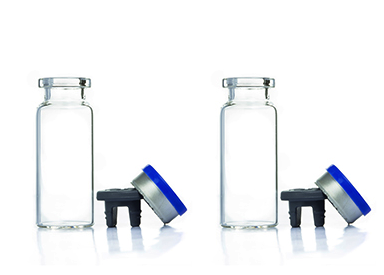
bronzing process
meet customers' demands on products
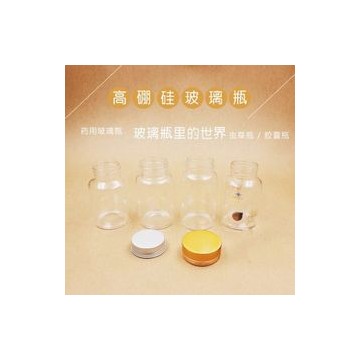
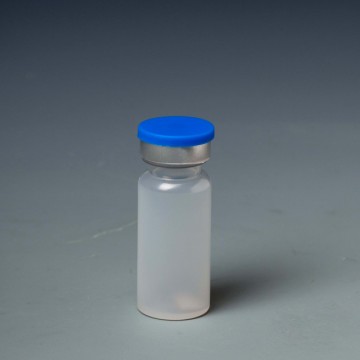
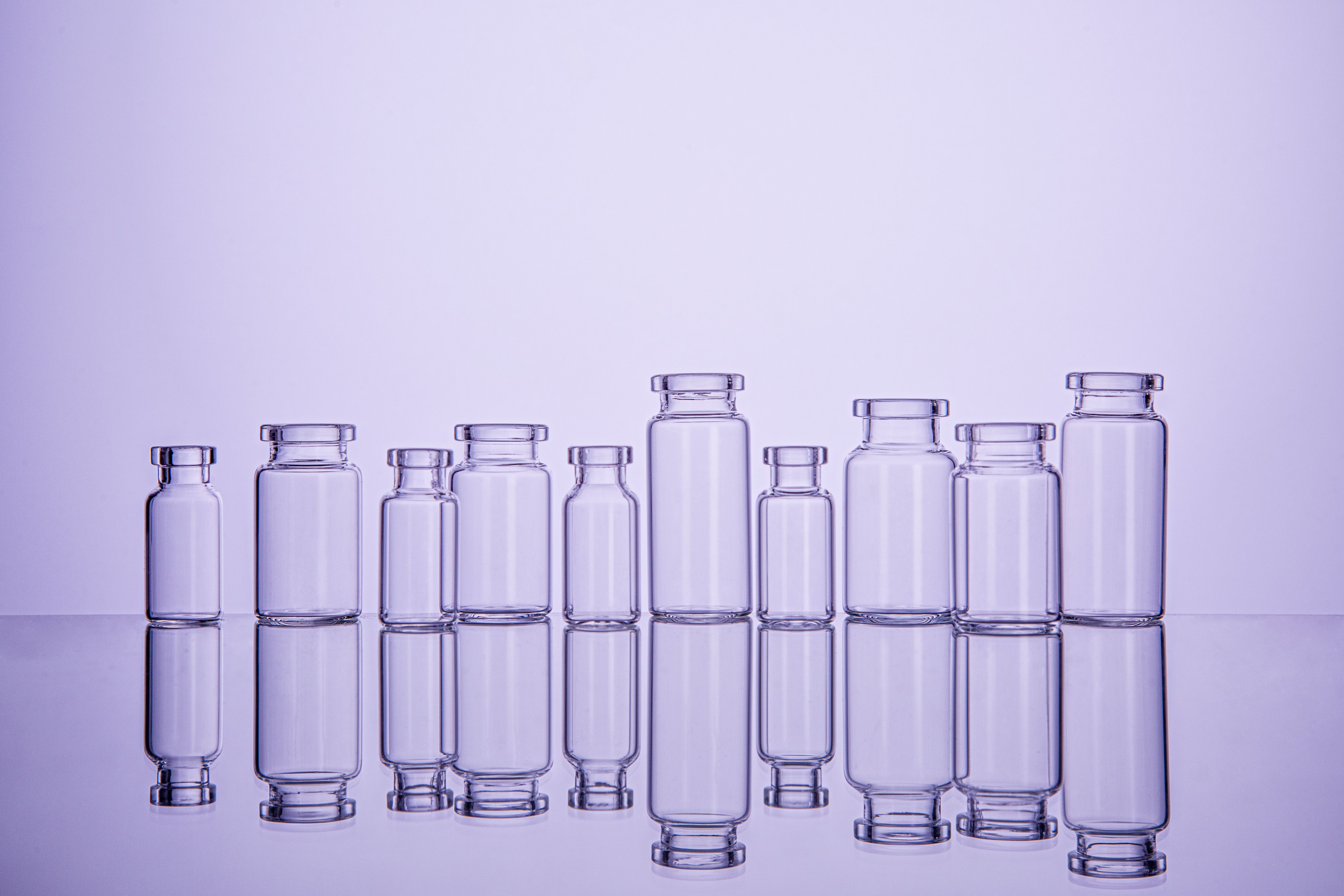
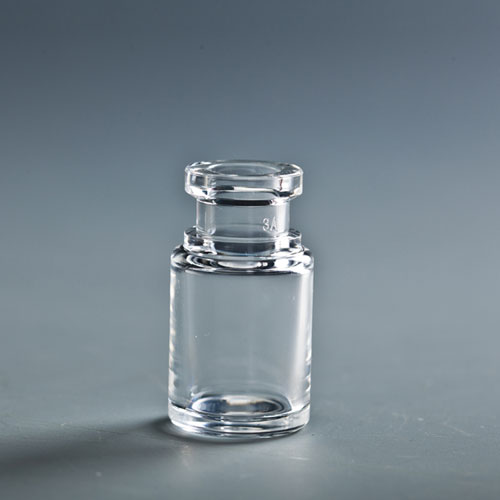
with better chemical stability and inpact strength,it is widely used invarious kinds of water injection. Powder injection, freeze-dried productsanf other medicine preparations.
Matching related accessories
*The following content is generated by AI and is for reference only.
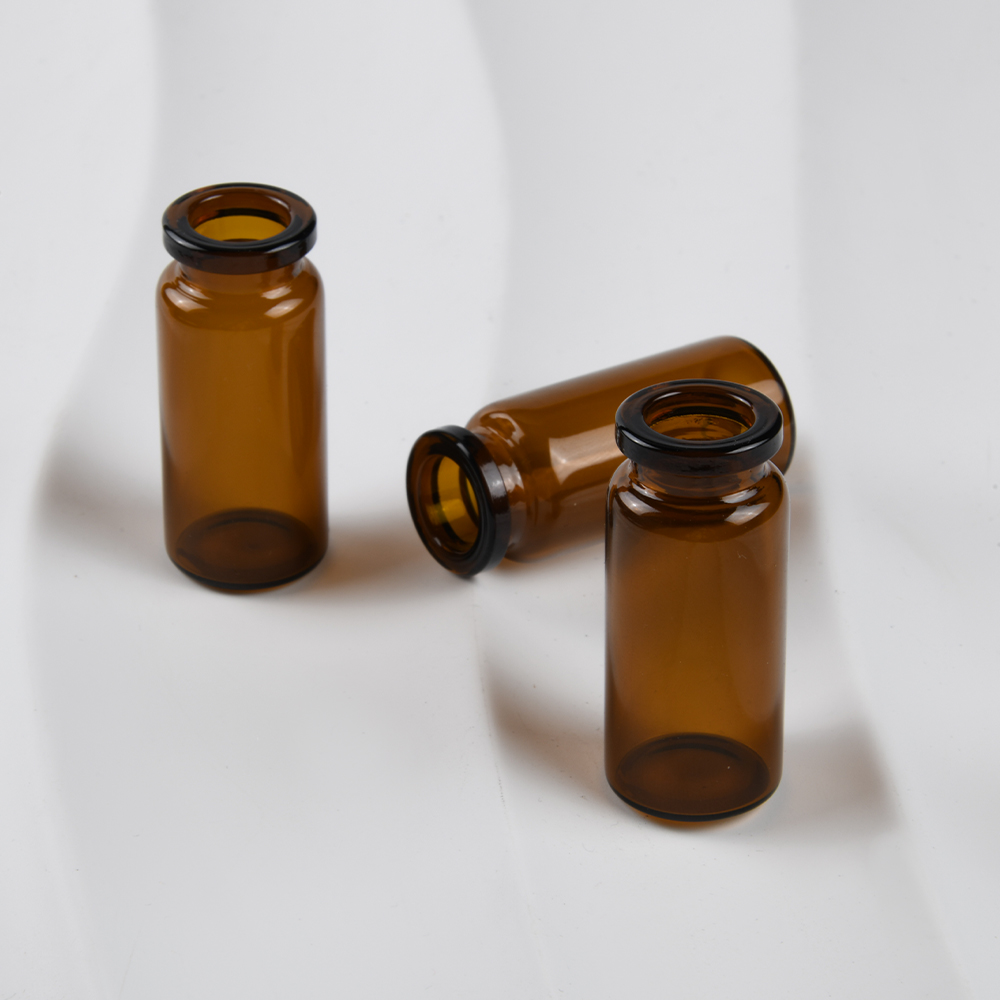
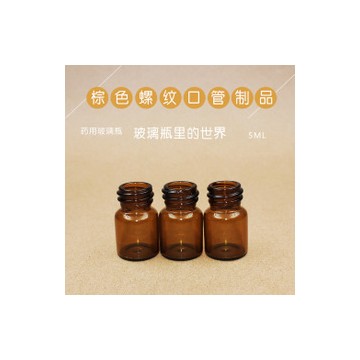
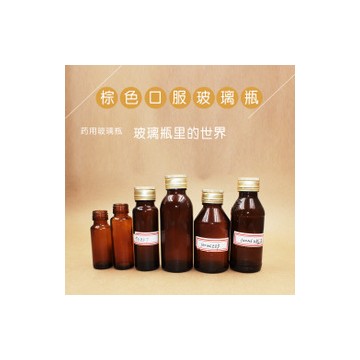
The amber screw neck oral liquid bottle is a specialized pharmaceutical and nutraceutical packaging solution designed to protect light-sensitive liquid formulations. Crafted from high-density polyethylene (HDPE) or polypropylene (PP), these bottles feature an inherent amber coloration that effectively filters out harmful ultraviolet (UV) and visible light rays. This critical feature prevents photo-degradation, ensuring the chemical stability, potency, and shelf life of medications, herbal extracts, syrups, and tinctures that are prone to breaking down when exposed to sunlight. The screw neck design provides a secure, tamper-evident closure system, often compatible with child-resistant caps, which enhances safety for household storage while preventing accidental leakage during transport.
These containers are widely utilized in the production of cough syrups, antibiotic suspensions, vitamin supplements, and essential oil-based remedies. Their cylindrical shape allows for efficient stacking and labeling, making them ideal for retail display and warehouse logistics. The smooth interior surface facilitates complete dispensing, minimizing product waste. When using these bottles, it is crucial to ensure they are filled within their specified capacity limits to prevent overflow during temperature fluctuations. Always verify that the cap is tightly sealed after each use to maintain sterility and prevent evaporation or contamination. Users should store the bottles in cool, dry places away from direct heat sources, even though the amber glass offers some protection, as extreme temperatures can still affect the plastic integrity. Additionally, never reuse bottles intended for single-use medical applications to avoid cross-contamination risks. Proper disposal according to local hazardous waste regulations is recommended once the contents are exhausted. By adhering to these guidelines, manufacturers and consumers alike can maximize the efficacy and safety of light-sensitive oral liquids, ensuring therapeutic benefits remain intact until the final dose is administered.





 (All Rights Reserved)