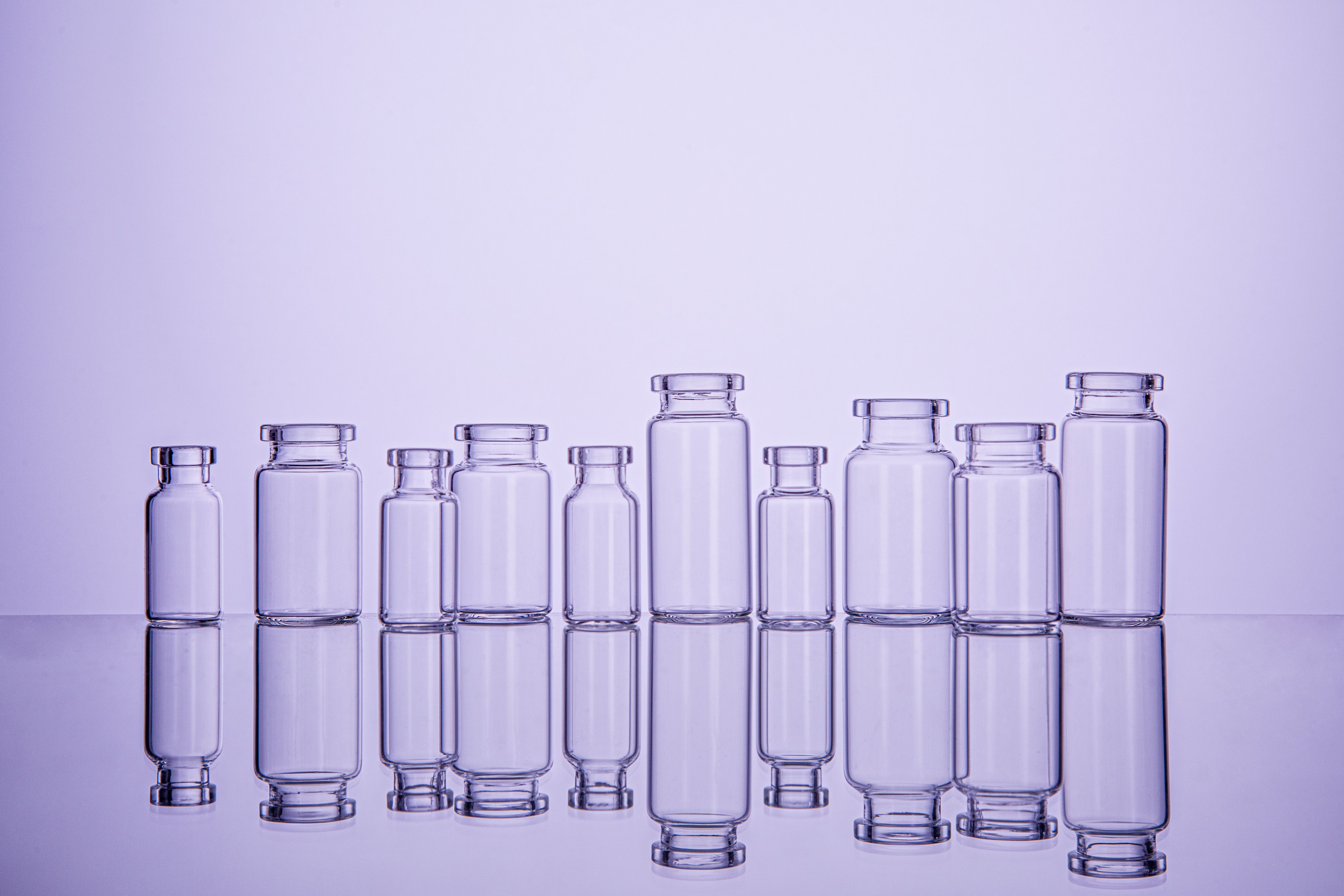
Product Description
meet customers' demands on products
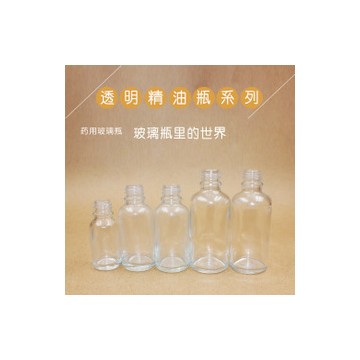
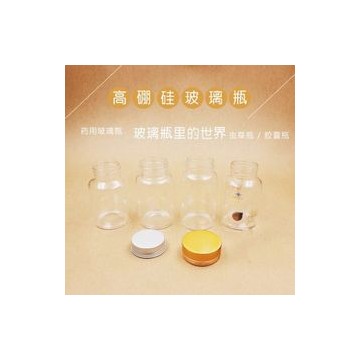
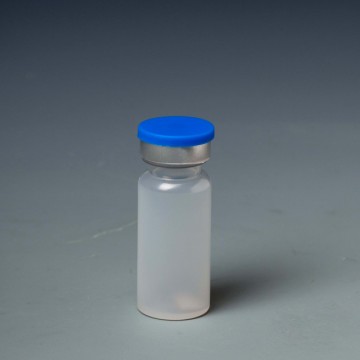
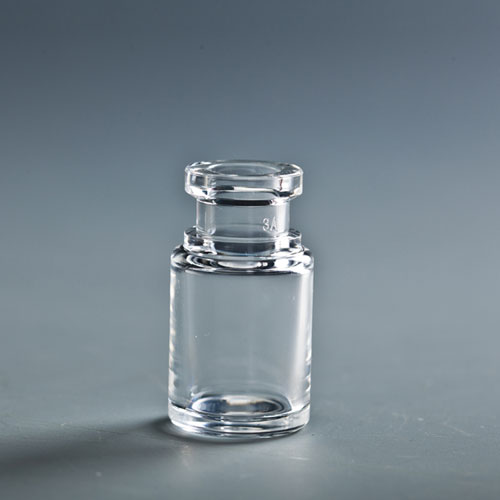
with better chemical stability and inpact strength,it is widely used invarious kinds of water injection. Powder injection, freeze-dried productsanf other medicine preparations.
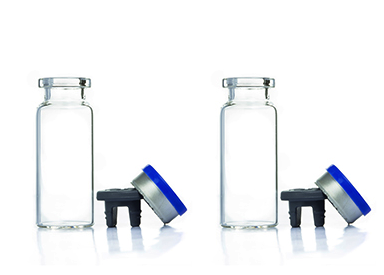
Matching related accessories
Logo can be printed
AI Product Description
*The following content is generated by AI and is for reference only.
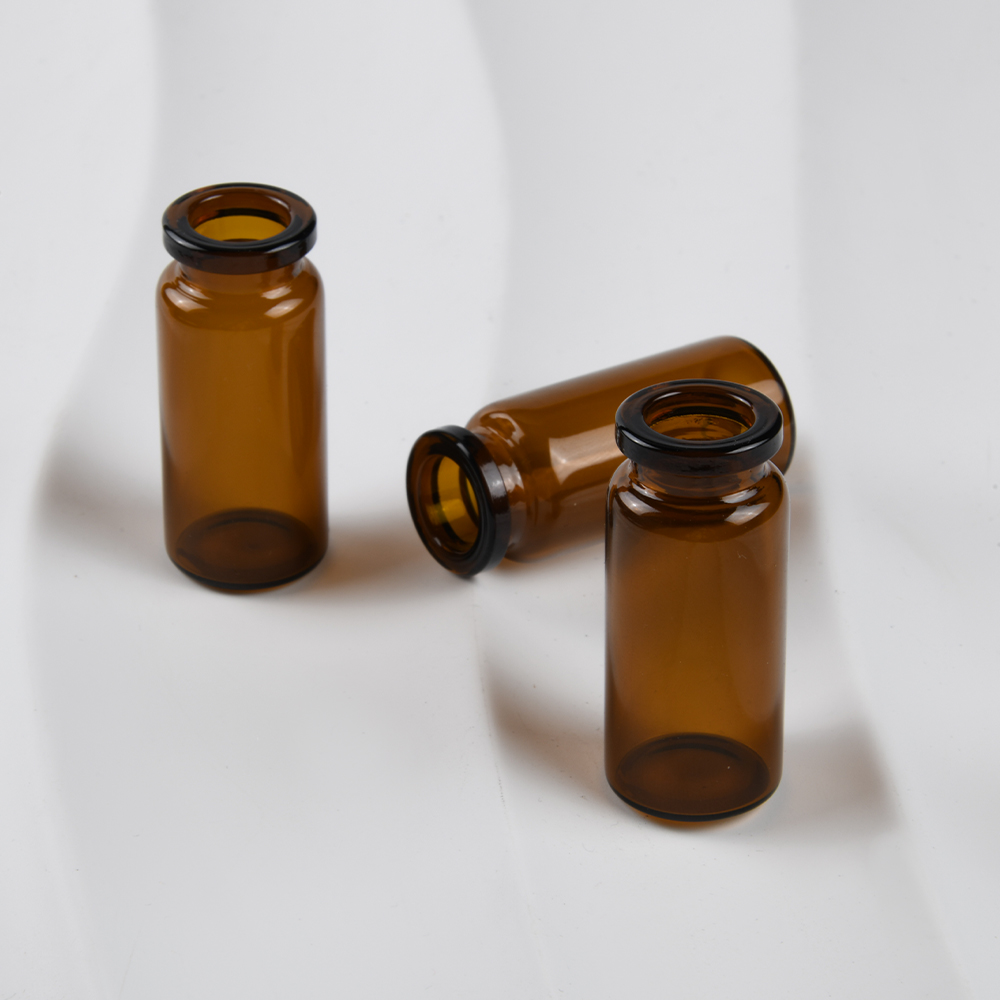
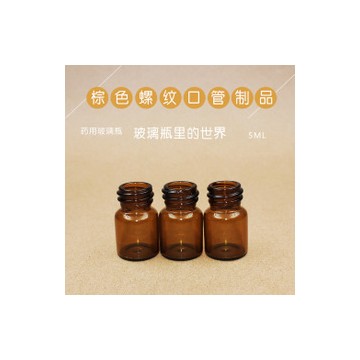
The 5ml amber screw neck tubular vial is a specialized laboratory container designed for the secure storage and transport of light-sensitive liquid samples. Constructed from high-quality borosilicate glass, these vials feature an amber hue that effectively filters out harmful ultraviolet (UV) and visible light wavelengths, preventing photodegradation of sensitive compounds such as pharmaceuticals, biological extracts, essential oils, and chemical reagents. The tubular shape offers a compact footprint ideal for high-density rack organization in autosamplers, while the screw neck design ensures a robust seal when paired with compatible septa and crimp caps or plastic screw caps.
These vials are widely utilized across various industries, including analytical chemistry, environmental testing, pharmaceutical quality control, and forensic science. Their primary function is to maintain sample integrity during long-term storage or analysis processes where exposure to ambient light could alter chemical composition or reduce efficacy. The smooth interior surface minimizes sample adhesion, facilitating complete recovery during quantitative analysis. Furthermore, the standardized dimensions ensure compatibility with most standard laboratory equipment, including HPLC and GC autosamplers.
When handling these vials, several precautions must be observed to ensure safety and data accuracy. First, always inspect the glass for micro-cracks or chips before use, as compromised containers may leak or shatter under pressure. When sealing, ensure the cap is tightened firmly but without excessive force to avoid stripping threads or cracking the neck. For volatile solvents, verify that the selected septum material is chemically resistant to prevent contamination or evaporation. Additionally, never heat the vial directly over an open flame unless specifically rated for thermal shock, as rapid temperature changes can cause breakage. Proper labeling is also critical; apply labels only to the frosted area if available, avoiding direct contact with the sample volume. Finally, dispose of broken glass using designated sharps containers to prevent injury. By adhering to these guidelines, researchers can maximize the reliability of their experimental results while ensuring a safe working environment.





 (All Rights Reserved)