Product Description
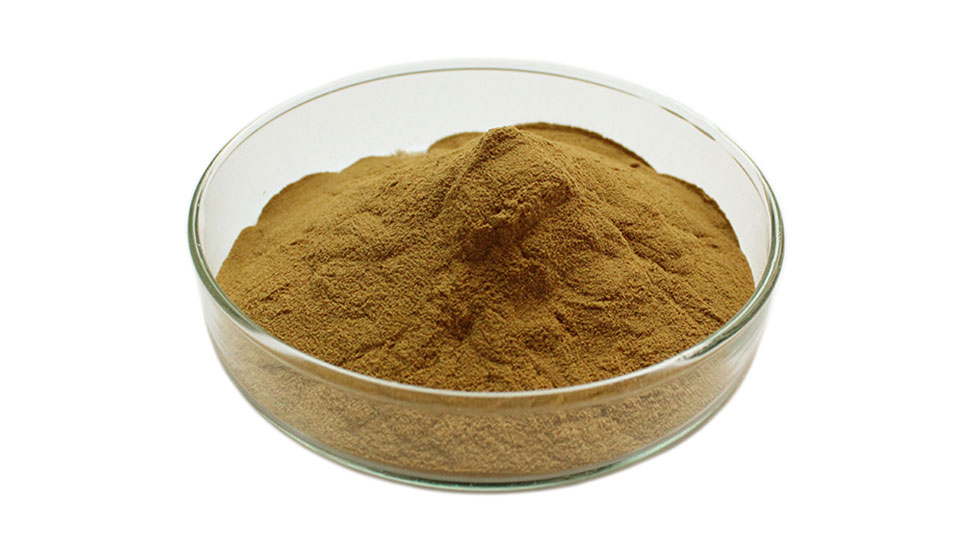
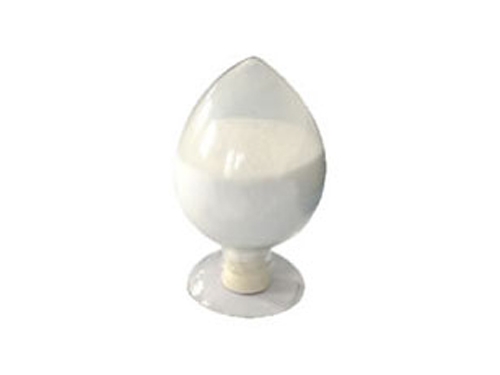
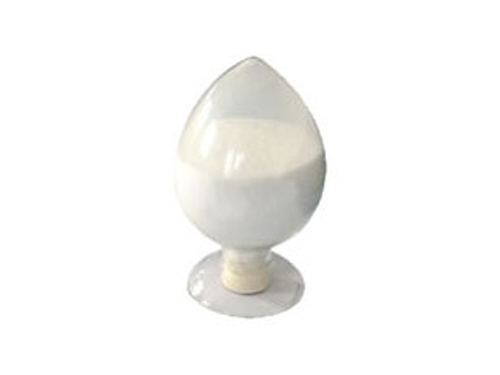
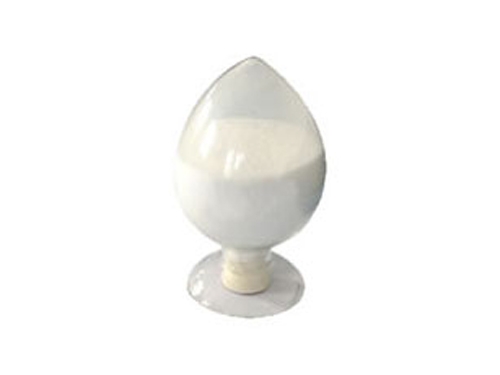
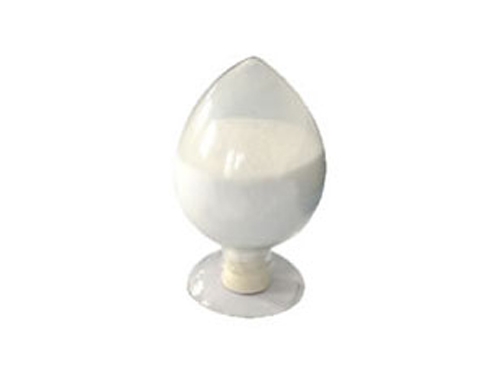
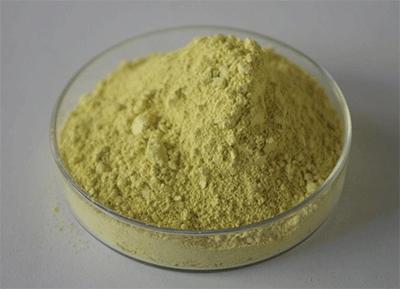
Crystallization of yellow needle crystal in ethanol.
Aloe glucoside can help discharge sewage in body, purify the blood, soften blood vessels, lower blood pressure and blood viscosity, promote the blood circulation, prevent hardening of the arteries and the occurrence of cerebral hemorrhage.
AI Product Description
*The following content is generated by AI and is for reference only.
Aloin, chemically known as 1,8-dihydroxy-3-(hydroxymethyl)-9-anthrone or 10-hydroxyaloin, is a naturally occurring anthraquinone glycoside primarily isolated from the leaves of Aloe vera and other Aloe species. Its molecular formula is C₂₁H₂₂O₉, and it is identified by the CAS registry number 479-56-7. This compound exists in two diastereomeric forms: aloin A and aloin B, which differ slightly in their stereochemistry but share similar chemical properties and biological activities.
Historically, aloin has been widely recognized for its potent laxative effects. It acts as a stimulant cathartic by irritating the intestinal lining and increasing peristalsis, thereby accelerating bowel movements. Due to these strong physiological effects, aloin-containing extracts were once common ingredients in over-the-counter weight loss supplements and digestive aids. However, regulatory agencies such as the FDA and EMA have restricted or banned its use in oral medications due to safety concerns, including potential carcinogenicity, electrolyte imbalances, and dependency issues with long-term use.
Beyond its historical medical applications, aloin is currently studied for its diverse pharmacological properties. Research indicates它具有 anti-inflammatory, antioxidant, and antimicrobial activities. In dermatology, purified aloe leaf gel (which contains low levels of aloin) is valued for soothing skin conditions, though high concentrations of aloin can cause irritation. In cosmetic formulations, aloin is sometimes used in small amounts for its potential skin-lightening effects, although strict concentration limits apply to ensure consumer safety.
The compound also serves as a valuable marker in quality control for Aloe products, distinguishing genuine botanical extracts from adulterated versions. While industrial synthesis of aloin is possible, natural extraction remains the primary source. Today, the focus on aloin has shifted from therapeutic application to analytical chemistry and toxicological research, ensuring that Aloe-based products meet stringent safety standards before reaching the global market.




 (All Rights Reserved)