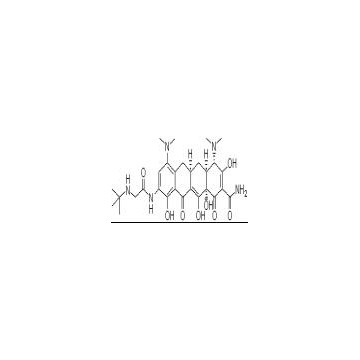
Alkalinephosphatase (ALP or ALKP) (EC3.1.3.1) is a class of water chemicalbook lyases, which can remove phosphate groups on nucleotides, proteins, alkaloids and other molecules, carry out dephosphorylation, and are most effective in alkaline environments, so the name alkaline phosphatase
AI Product Description
*The following content is generated by AI and is for reference only.
<h3>Overview</h3>
<p><strong>Alkaline Phosphatase (ALP)</strong> is a hydrolase enzyme widely utilized in industrial biotechnology. It catalyzes the hydrolysis of phosphate monoesters under alkaline conditions. The enzyme is typically produced via recombinant DNA technology using <strong>E. coli</strong> fermentation, followed by purification through affinity chromatography.</p>
<h3>Application</h3>
<ul>
<li><strong>Molecular Biology:</strong> Essential for dephosphorylating vector DNA to prevent self-ligation during cloning.</li>
<li><strong>Diagnostics:</strong> Serves as a marker enzyme in clinical assays for liver and bone disease detection.</li>
<li><strong>Industrial Synthesis:</strong> Applied in the manufacturing of nucleotides and pharmaceutical intermediates.</li>
</ul>
<h3>Precautions</h3>
<p>Store at <strong>-20°C</strong> to maintain stability; avoid repeated freeze-thaw cycles. In clinical settings, elevated serum levels indicate potential hepatobiliary or skeletal disorders requiring further investigation. Handle with standard laboratory PPE to prevent exposure.</p>