Product Description
please call me ,to know more
AI Product Description
*The following content is generated by AI and is for reference only.
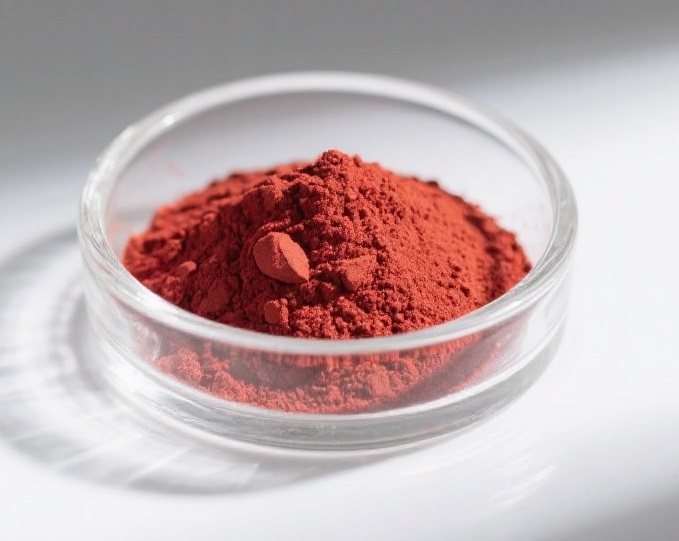
Alizarin, chemically known as 1,2-dihydroxyanthraquinone, is a historically significant organic compound and one of the oldest known natural dyes. Its molecular formula is C14H8O4, and it carries the CAS Registry Number 72-48-0. Originally extracted from the roots of the madder plant (Rubia tinctorum), alizarin was widely used for centuries to produce vibrant red hues in textiles before the advent of synthetic chemistry. Today, it is primarily synthesized through the oxidation of anthraquinone or via the sulfonation of anthracene followed by fusion with alkali hydroxides, making it a standard industrial reagent.
In modern applications, alizarin serves multiple critical functions beyond its traditional role as a textile dye. It is extensively utilized in analytical chemistry as a sensitive indicator for the detection and titration of calcium ions, forming a characteristic red complex that allows for precise quantification in water hardness testing and biological samples. Furthermore, due to its strong affinity for metal oxides, it acts as an effective mordant dye, binding tightly to fibers like wool, silk, and cotton when treated with metallic salts such as aluminum or iron. This property ensures excellent color fastness and durability.
The pigment also finds use in the production of cosmetics and artist paints, where its rich crimson tone is valued for its historical authenticity and stability. In scientific research, alizarin red S, a sulfonated derivative, is frequently employed as a stain to visualize calcium deposits in bone tissue engineering and cell culture studies. Despite the rise of numerous synthetic alternatives, alizarin remains relevant due to its non-toxic nature compared to some heavy-metal-based pigments and its unique spectral properties. Its enduring legacy bridges the gap between ancient herbal remedies and contemporary chemical analysis, proving that natural products continue to inspire innovation in material science and biology. Whether used for staining biological specimens or coloring high-end fabrics, alizarin represents a cornerstone in the development of organic chemistry and dye technology.






 (All Rights Reserved)