Product Description
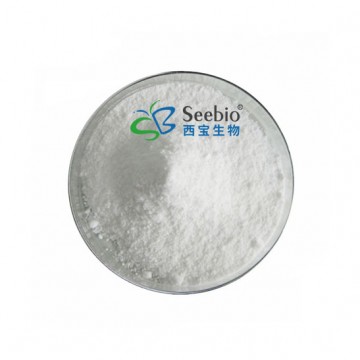
Alanylglutamine Pharmaceutical grade;food grade;industrial grade; reagent grade CAS Number 39537-23-0 Molecular Formula C8H15N3O4 Molecular Weight 217.22 Package: Function: Amino acids parenteral nutrition agent;saving patients like saline, dextrose Application: Tags: Nutrition fortifier Energy supplement Dietary supplements
AI Product Description
*The following content is generated by AI and is for reference only.
Alanyl glutamine, chemically known as N-L-alanyl-L-glutamine, is a stable dipeptide formed by the covalent bonding of L-alanine and L-glutamine. Its primary chemical significance lies in its molecular formula, C6H12N2O3, with a molecular weight of approximately 160.17 g/mol. The substance is widely recognized by its CAS number 5984-89-6. Unlike free L-glutamine, which is unstable at acidic pH levels and prone to degradation into pyroglutamic acid during sterilization or storage, alanyl glutamine offers superior stability across a broad pH range and under high-temperature conditions. This unique characteristic makes it an indispensable ingredient in clinical nutrition and pharmaceutical formulations where reliable delivery of glutamine is critical.
In medical applications, alanyl glutamine serves as a vital nitrogen donor for rapidly dividing cells, such as enterocytes in the intestinal lining and immune cells. It is extensively utilized in Total Parenteral Nutrition (TPN) solutions to support patients suffering from severe catabolic states, including major trauma, burns, sepsis, and post-surgical recovery. By providing a stable source of glutamine, this dipeptide helps maintain gut mucosal integrity, prevents bacterial translocation, and supports immune function, thereby reducing infection rates and shortening hospital stays. Furthermore, it plays a crucial role in preventing muscle wasting in critically ill patients who cannot tolerate oral intake.
Beyond clinical settings, alanyl glutamine is also employed in cell culture media for mammalian cell lines, ensuring optimal growth conditions for biopharmaceutical production. Its ability to remain intact until enzymatic hydrolysis within the body ensures efficient uptake without causing osmotic imbalances often associated with high concentrations of free amino acids. As research continues to highlight the importance of glutamine in metabolic health, alanyl glutamine remains a cornerstone compound in advancing therapeutic interventions for patients requiring intensive nutritional support. Its formulation allows for precise dosing and enhanced bioavailability, making it a preferred choice over free amino acids in complex medical scenarios.






 (All Rights Reserved)