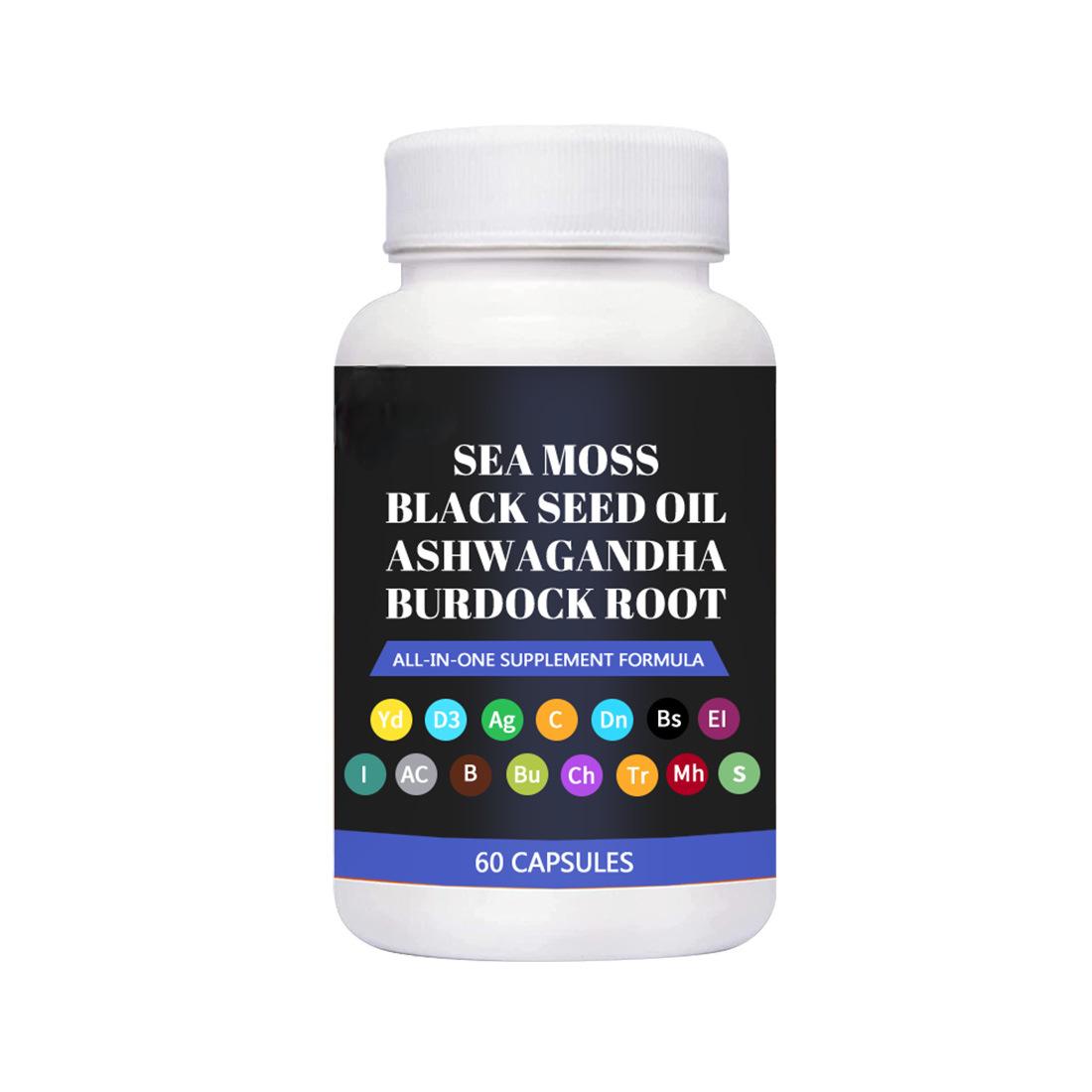
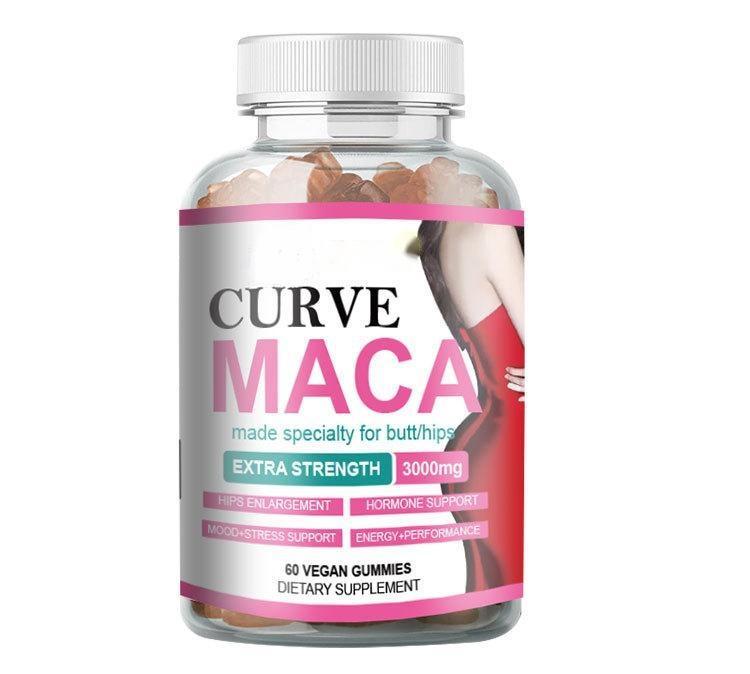
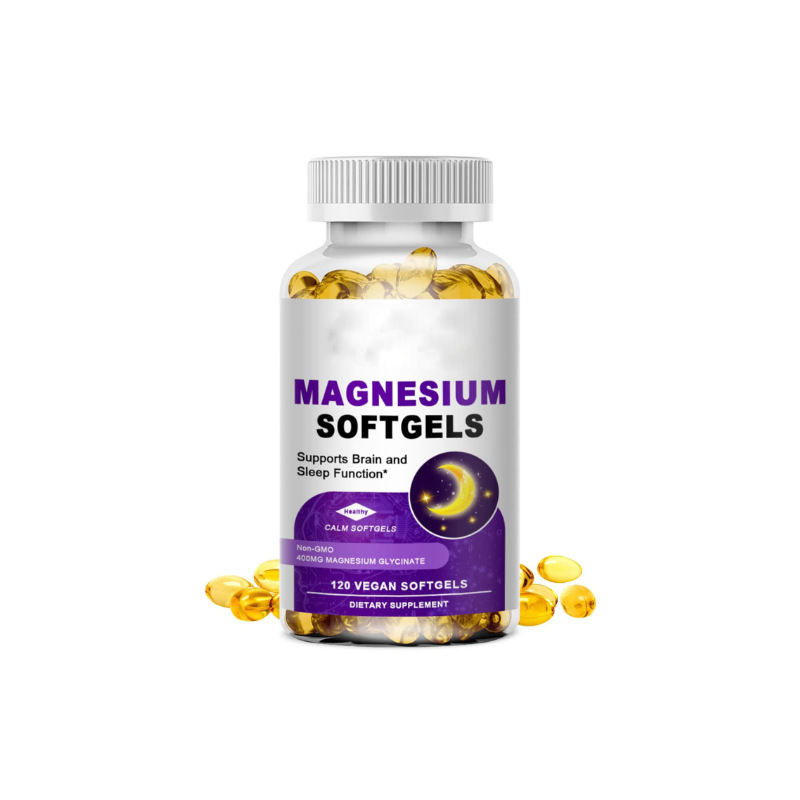
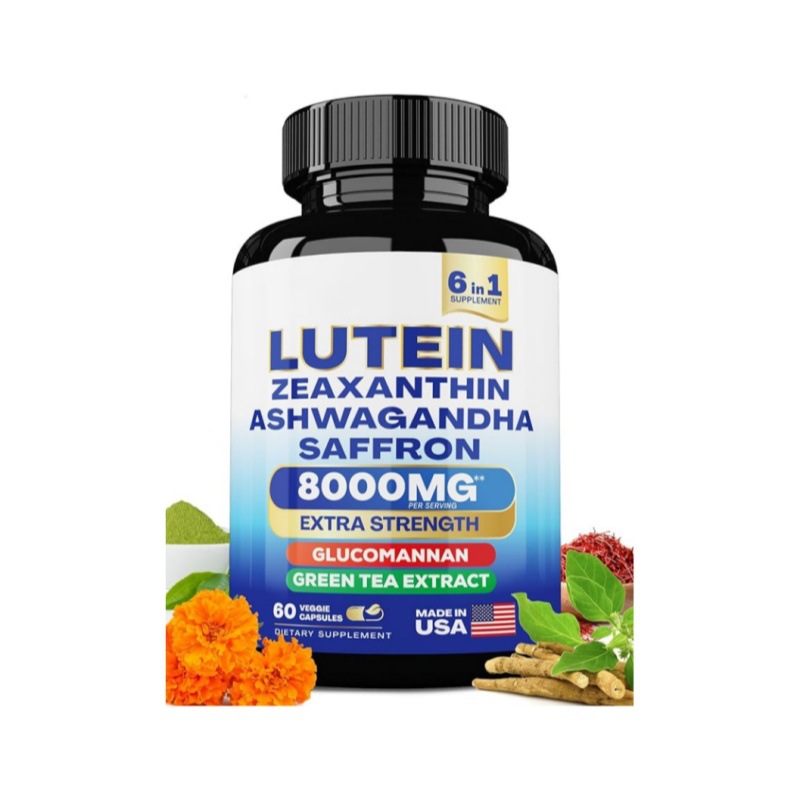
Product Description
We are professional Raw Material Manufacturer, with more than 10 years' experience.
Please contact us for more information and detailed quotation
Email: sales12@sgonekbio.com
Phone/WhatsApp/Wechat: +86 13572550462


AI Product Description
*The following content is generated by AI and is for reference only.
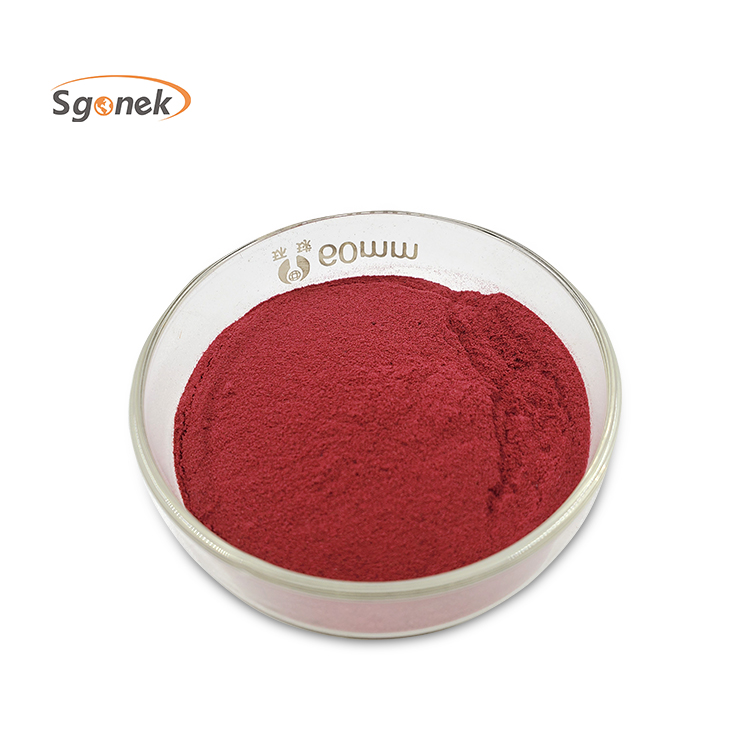
Adenosylcobalamin, commonly known as Vitamin B12 or Coenzyme B12, is the active coenzyme form of cobalamin essential for human metabolism. With the molecular formula C63H88CoN14O14P and CAS number 13422-55-4, this light-sensitive red powder plays a pivotal role in two critical enzymatic reactions within the body. First, it serves as a cofactor for methylmalonyl-CoA mutase, facilitating the conversion of methylmalonyl-CoA to succinyl-CoA, a vital step in the catabolism of odd-chain fatty acids and certain amino acids. Second, while methionine synthase primarily utilizes methylcobalamin, adenosylcobalamin is indispensable for maintaining neurological health and preventing megaloblastic anemia by supporting DNA synthesis and red blood cell formation.
This high-purity powder is widely utilized in the pharmaceutical industry as a primary ingredient in injectable formulations and oral supplements designed to treat vitamin B12 deficiencies, pernicious anemia, and related neurological disorders. Beyond therapeutics, it is extensively incorporated into functional foods, dietary supplements, and cosmetic products aimed at boosting energy levels, enhancing cognitive function, and supporting nerve regeneration. In research settings, adenosylcobalamin powder is a crucial reagent for studying metabolic pathways, enzyme kinetics, and cellular energy production mechanisms. Due to its instability under light and heat, proper storage in cool, dark environments is mandatory to preserve its biological activity. As a key micronutrient, ensuring adequate intake through diet or supplementation remains fundamental for metabolic homeostasis, making Adenosylcobalamin an indispensable component in modern healthcare and nutritional science globally. Its unique chemical structure allows it to bridge complex biochemical processes, underscoring its significance in both clinical applications and scientific inquiry regarding human physiology and disease prevention strategies.