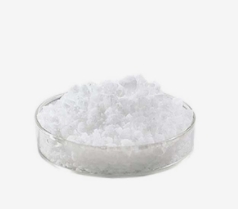
Ademethionine 1,4-Butanedisulfonate (S-Adenosyl-L-methionnine 1,4-butanedisulfonate) is the 1,4-butanedisulfonate of S-adenosylmethionine (SAM, SAMe). It is clinically used to treat depression, arthritis, liver dysfunction and other diseases. It is suitable for intrahepatic cholestasis before cirrhosis and caused by cirrhosis; it is suitable for intrahepatic cholestasis during pregnancy.
*The following content is generated by AI and is for reference only.
Ademetionine 1,4-butanedisulfonate, commonly known as S-adenosylmethionine tosylate or SAMe disulfonate, is a stable synthetic derivative of the naturally occurring compound S-adenosylmethionine (SAMe). This pharmaceutical agent serves as a crucial methyl donor and aminopropylating agent in various biochemical pathways within the human body. The molecule features a distinct chemical structure characterized by the adenosine moiety linked to methionine, stabilized by two butanesulfonate groups which significantly enhance its solubility and shelf-life compared to the free base form. Its molecular formula is C25H38N6O9S4, and it is identified by the CAS Registry Number 55097-36-2.
The primary clinical application of Ademetionine 1,4-butanedisulfonate revolves around hepatology and psychiatry. In liver health, it is extensively utilized for the treatment of intrahepatic cholestasis, cirrhosis, and other liver disorders. By replenishing depleted hepatic glutathione levels and supporting bile acid secretion, it helps restore normal liver function and alleviate symptoms such as jaundice and pruritus. Furthermore, this compound has demonstrated efficacy in managing depressive disorders, particularly those associated with chronic pain or liver disease, due to its role in synthesizing neurotransmitters like serotonin and dopamine.
Pharmacologically, the salt form offers superior stability and bioavailability when administered orally or intravenously. It bypasses the rapid degradation issues often seen with native SAMe in the gastrointestinal tract. While generally well-tolerated, potential side effects may include gastrointestinal discomfort, insomnia, or headache. It is contraindicated in patients with bipolar disorder unless managed carefully, as it may induce manic episodes. Overall, Ademetionine 1,4-butanedisulfonate represents a vital therapeutic option for restoring metabolic balance in patients suffering from liver dysfunction and mood disturbances, bridging the gap between biochemical necessity and clinical intervention.


![6-broMo-2-chloro-8-cyclopentyl-5-Methylpyrido[2,3-d]pyriMidin-7(8H)-one](https://eimg.pharmasources.com/image/20250617/4zoOybJjzUTk0UgguabMkX7VnrDIlxHluERwqkjK.jpg)





 (All Rights Reserved)