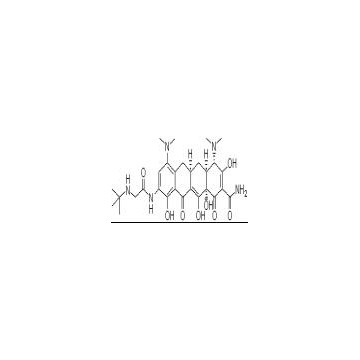
Product Description
Active pharmaceutical ingredients 53936-56-4
AI Product Description
*The following content is generated by AI and is for reference only.
Active Pharmaceutical Ingredients (APIs) constitute the fundamental bioactive components responsible for the therapeutic effects of medicinal products. Unlike finished dosage forms such as tablets or capsules, APIs are the pure chemical substances that interact with biological systems to diagnose, cure, mitigate, treat, or prevent diseases. The molecular formula and CAS number of an API vary significantly depending on the specific drug molecule in question; for instance, Paracetamol has the formula C8H9NO2 and CAS 103-90-2, while Aspirin is C9H8O4 with CAS 50-78-2. Consequently, there is no single universal molecular formula or CAS identifier for "Active Pharmaceutical Ingredients" as a category, but rather thousands of unique identifiers corresponding to distinct pharmacological agents.
The primary purpose of APIs is to serve as the active moiety within pharmaceutical formulations. They are synthesized through complex chemical processes, biotechnological methods, or extracted from natural sources. Once produced, these ingredients undergo rigorous quality control testing to ensure purity, potency, and stability before being incorporated into final drug products by pharmaceutical manufacturers. The global API market is vast, encompassing small-molecule synthetic drugs, biologics like monoclonal antibodies, and antibiotics. These substances are critical for addressing a wide spectrum of health conditions, ranging from common ailments like headaches and infections to chronic diseases such as diabetes, hypertension, and cancer.
Regulatory agencies worldwide, including the FDA and EMA, strictly govern the production and distribution of APIs to guarantee patient safety. Manufacturers must adhere to Good Manufacturing Practices (GMP) to minimize risks of contamination or cross-contamination. The supply chain for APIs is highly interconnected, often involving raw material sourcing from various countries before formulation into the final medicine consumed by patients. As medical science advances, the development of novel APIs remains central to innovation, driving the creation of more effective, targeted, and safer treatments for evolving global health challenges. Ultimately, APIs are the cornerstone of modern medicine, bridging the gap between scientific discovery and clinical application to improve human health outcomes globally.






 (All Rights Reserved)



![(3R)-3-Amino-1-[3-(Trifluoromethyl)-5,6,7,8-Tetrahydro-1,2,4-Triazolo[4,3-A]Pyrazin-7-yl]-4-(2,4,5-T](https://eimg.pharmasources.com/image/product/20250402/e43f5153f3b91f760fdee40247460568jpg)

![3-(Trifluoromethyl)-5,6,7,8-Tetrahydro-[1,2,4]Triazolo[4,3-a]Pyrazine HCL](https://eimg.pharmasources.com/image/product/20250402/8ae4dd18f1fe219e41ad63ce9b3306d7jpg)


![4-[[[[6-[(Diethylamino)methyl]-2-naphthalenylmethoxy]carbonyllaminolbenzoic acid](https://eimg.pharmasources.com/image/20241206/xJCFsdgfMrHzqjtgeOixhGQHgVbKi7kAcoEqemzE.jpg)